Category: Featured Articles

  • Keeping Motivated While Self Isolating!

    Keeping Motivated While Self Isolating!

    During a global pandemic, we have been forced to stay inside our homes in order to stop the spread of the coronavirus and many of us have also been hit with extensive levels of anxiety and stress. Staying at home does not seem like a difficult thing to do, however, it is much easier when you have nothing to do. Your home is your comfort zone; it is an environment where you can relax. A home is essentially the opposite of a workplace environment, therefore, when working from home it can be challenging to draw the line between work and home because there are less rules to abide by.

    Since we are all unable to leave our homes, it has been a bit of a struggle to maintain our lives. Many of us have never worked from home or taken online courses before; there is a lot for everyone to get used to. Since the home environment can be so distracting, the idea of having to learn does not seem inviting at all. As for issues such as anxiety and stress, anxiety is someone’s response to a potential threat. Everywhere you look there is news about the coronavirus and how fast it is spreading, it is starting to appear as a major threat. The stress is a natural response to how uncertain things have become- stress because of finances, keeping up your grades or postsecondary admissions. Everything is happening all at once; there is a lot of uncertainty and distraction involved. Therefore, it has been difficult for us to stay motivated.

    Personally, I never expected this to happen at all. At first, the pandemic had been a bit stressful because there was a whole two weeks where we had been advised not to work at all, every single one of my due dates for ongoing assignments had been pushed off and I had no idea what I was doing. My anxiety levels skyrocketed. The longer that I have been home the less I have been wanting to work. When you are at home, it can be hard to keep a routine. At school you have a set schedule, there is a designated time for everything. So now that we do not have that, it is especially difficult to stay on top of everything. However, after a few weeks of self-isolating, I have been able to conjure up a routine to keep up with my daily tasks and have time to myself. Below I have included some tips that have helped me along the way.

    Establish A Routine:  Maintaining a routine can help you feel like you are in school again and help you manage your time wisely. This is essential to being able to stay motivated and keep up with everything. You can try using a calendar or creating a to-do list to organize the days that you want to work on a certain subject/assignment or the days that you would like to try to relax and practice self-care. Make sure to set deadlines for yourself and take breaks in between work so that you do not feel too overwhelmed, this can help you to manage the stress and anxiety.

    Self-Care: Taking breaks when working is extremely important. If you have been working for a long time, it is perfectly normal to feel unmotivated or tired. Remember that when you overwork yourself, you will not perform to the best of your ability. So, if you need to take a few days to yourself then do it. For me, working out by walking on the treadmill helps me to clear my head. However, if you do not have an exercise machine or do not like to exercise reading or watching a movie can also help to get your mind off things and help you relax. Take this as a time where you can practice your hobbies and get more in touch with yourself.

    Optimism is Important! Keeping a positive mindset is always important and helps during hard times like these. Try and get through your idea with the knowledge that we are all in this together. Everything will work out the way that it is supposed to. All you need to do is stay inside and self-isolate to stop the spread and flatten the curve. However, maintaining a positive attitude is not easy for everyone so remember to be patient with yourself and remember that it is normal to feel anxious or stressed at a time like this.

    Sources:

    https://www.welcometothejungle.com/en/articles/lack-motivation-during-corona-crisis

    https://www.quebec.ca/en/health/health-issues/a-z/2019-coronavirus/stress-anxiety-and-depression-associated-with-the-coronavirus-covid-19-disease/

  • How COVID-19 is Changing Language

    How COVID-19 is Changing Language

    Language is evolutionary. Words and dialects are not born overnight, but come about over long periods of time. It is exceptionally rare to witness many words enter our collective vocabulary within weeks, but COVID-19 had led to exceptional circumstances. What are some of the words and phrases we now hear all the time that had no part of the public vernacular mere months ago? What does this mean for language, culture, and our society? Amidst the uncertainty of the pandemic, it is worth taking a look into the power of words.

    Many of the new words in our collective vocabulary are in fact not new at all. “Self-isolation” refers to staying at home or by yourself to prevent contracting or infecting others with a disease. But the term has been used since the 1830s, and in the 19th century often referred to countries separating themselves from the global economy and politics. “Social distancing” is all about keeping a safe distance from others and only stepping out for essential matters. Yet the phrase has been around since the 1950s, and back then was more about wanting to avoid socializing less as a precaution and more as an attitude.  These terms have taken on whole new meanings, scaling down in scope from politics and social attitudes to individuals and their behaviour.

    The pandemic has shifted our language. We have placed greater emphasis on individual actions and our social responsibilities. Many workers are finding various ways to “work from home.” Those in “essential services” are wearing “personal protective equipment,” or PPE, such as gloves and masks. Our individual actions are helping to “flatten the curve,” or reduce the number of cases of COVID-19 resulting in lower numbers on a graph outlining infections. These words and ideas are critical in combating the pandemic. But they also highlight the very significant ways in which we impact others by even our smallest actions.

    As we look inward to analyze our own way of being, we are also looking outward to society as a whole. People are advocating for better benefits to protect workers who have been laid off. This includes regular payments to all individuals through “Universal Basic Income,” or UBI, as well as “deferral,” “forgiveness,” and “freezes” of debt, credit, rent, and mortgage payments. This language demonstrates a greater push to fix the problems that have arisen due to corruption in politics and catering to corporations. The crisis is an opportunity for change. A vocabulary that increases self-awareness and cognizance of societal issues can lead to a transformation in what we value as important. Whereas society was previously taking small steps to address these issues, that could turn into major leaps.

    Language plays a critical role in thought, communication, and civilization. The COVID-19 pandemic is a once-in-a-generation event accelerating its evolution. We are using terminology and phrases that are forcing us to be more consciously aware of our behaviours and how they impact others. We are talking more and more about the problematic and precarious nature of our economy and the lower and working classes. As our language changes, opportunities arise to also change our world for the better. The pandemic is terrifying. But so are economic inequality and environmental destruction. Our words can put us in a more positive mindset that can lead to substantial change.

    Sources

    Jackson, Peter. “Language of a Pandemic: A glossary of commonly used words and phrases related to COVID-19”. The Telegram. https://www.thetelegram.com/news/local/language-of-a-pandemic-a-glossary-of-commonly-used-words-and-phrases-related-to-covid-19-437420/

    Makansi, Kristina. “As COVID-19 Disrupts Lives, Words Matter.” The University of Arizona. https://uanews.arizona.edu/story/covid19-disrupts-lives-words-matter

    Merriam-Webster. “Coronavirus and the New Words Added to the Dictionary in March 2020.” https://www.merriam-webster.com/words-at-play/new-dictionary-words-coronavirus-covid-19

    Paton, Bernadette. “Social change and linguistic change: the language of Covid-19.” Oxford English Dictionary. https://public.oed.com/blog/the-language-of-covid-19/

  • 5 Tips to Maximize Learning Online during COVID-19

    5 Tips to Maximize Learning Online during COVID-19

    Before the pandemic that we all know now as COVID-19, there was already an ever-expanding list of companies and organizations which have embraced technology-based solutions to deliver products and services to their customers and clients. This was true of educational institutions as well, especially those which cater to post-secondary students. No one can deny the advantages of digital learning methods and how they deliver optimum results than solely relying on traditional learning methods.

    In fact, a survey done by eCampus Ontario revealed that in 2018, there were more than 1.3 million online course registrations, representing 8% of all course registrations and roughly one in five Canadian students are taking at least one online course for credit.

    Now, it’s no surprise that since the virus resulted in the closure of schools nationwide, elementary and high schools have followed the example of higher learning Canadian educational institutions and adopted technology to teach students. It does require adjustment on the part of both the teachers and students, but there are ways to maximize learning online. Let’s take a look at those below.

    Dress for the part.

    Just because you’re learning at home doesn’t mean you can dress in whatever way you want. It’s important to still have a student’s mindset, so dress like you would still go to a class. If you had your morning routine before heading to your classroom before, do your best to keep to this ritual, like eating your favourite cereals or having an energy bar and the like. This will help you keep that student mentality and you’ll be poised to days and days learning.

    Set an ideal study space.

    Another key to learning online is to keep to an ideal learning environment, so it’s truly important that you give a lot of thought to your study space. Of course, you don’t have to have a study room per se as that isn’t an option for most of us who don’t have the space, but at least choose an area that will provide you the peace and quiet that your studying requires like a quiet nook in the living room or the kitchen. Wherever gives you the least distractions is a good choice.

    Remember that silence is golden.

    If your instructor requires you to use a digital platform like Google classroom or Zoom, familiarize yourself with its features especially the mute button. This is especially useful when you’re not speaking because it avoids the emission of feedback sounds which could likely happen when there are 30 or 40 people online simultaneously. It also saves you from embarrassment if your mom or dad were to walk in accidentally while you’re having a class session and they’re telling you how your room is a mess or how you left unwashed dishes in the sink.

    Interact with your classmates as much as you can.

    Learning online isn’t the same as being in a classroom where you can nudge your seatmate when you have a question or when you want to share information. However, learning online doesn’t mean you have to cut off all interaction with your classmates. Connect with them through social media or create a group on apps like What’s App so you can ask each other about homework and clarify items that may have slipped your mind. This will truly help you get a feel of being in a study group even though you are all miles apart.

    Keep to a schedule.

    Sure, online learning allows more flexibility but this doesn’t mean you can let your schedule go awry. Keep to a normal schedule as much as you can, so this means no studying late at night or no skipping a day of learning to stream Netflix. Take note of your deadlines and plan a course of action on how to complete them accordingly. Of course, this also means giving yourself an ample amount of breaks as needed.

    These are uncertain times but we can do our best to make learning a certain thing. Just because COVID-19 happened doesn’t mean we have to stop learning, and with the tips above, you can arm yourself with knowledge that will prepare you for the future.

    SOURCES

    https://www.unh.edu/student-life/study-tips-covid-19

    https://studentlife.ryerson.ca/tips-for-tackling-your-online-courses-during-covid-19/?utm_source=rss&utm_medium=rss&utm_campaign=tips-for-tackling-your-online-courses-during-covid-19

    https://www.tonybates.ca/2018/12/20/summary-of-the-2018-survey-of-online-learning-in-canadian-colleges-and-universities/

  • The Importance of Personal Hygiene

    The Importance of Personal Hygiene

    Maintaining good personal hygiene is very important for everyone. It can benefit you in several different ways. Poor personal hygiene can have lots of risks as well. If you want to learn more about personal hygiene, you’ve come to the right place!

    Why is it good to maintain good hygiene?

    1. Disease Prevention

    Maintaining good hygiene lowers your risk for diseases and illnesses that are spread through viruses and bacteria. Your hands can pick up bacteria very easily. Every time you cough, use the washroom, touch your pet, or touch different surfaces. Not washing your hands regularly can lead to the bacteria multiplying. This is especially important if you have wounds or skin irritations.

    1. Social and Professional Acceptance

    Coming into contact with those with bad breath and body odor can make you feel uncomfortable and it can put you at risk for disease and infection as well. Poor hygiene can negatively affect your social life and relationships.

    1. Higher Confidence and Self-Esteem

    Being clean and well-groomed can help you feel more confident. Poor hygiene can affect your mood, your interactions with others, and your self-esteem. Maintaining good personal hygiene can increase your confidence and self-esteem. This helps make you appear more positive to others. Good hygiene can indirectly increase your success in scenarios that require you to try your best.

    1. Pain Prevention

    Good hygiene can help you stay in good health. It can help you avoid experiencing pain from medical conditions which can be caused by diseases and infections. Taking poor care of your teeth can increase the risk of gum disease. Good hygiene helps keep you from developing medical conditions and can keep you feeling healthy and pain-free.

    What does a good personal hygiene routine look like

    1. Handwashing

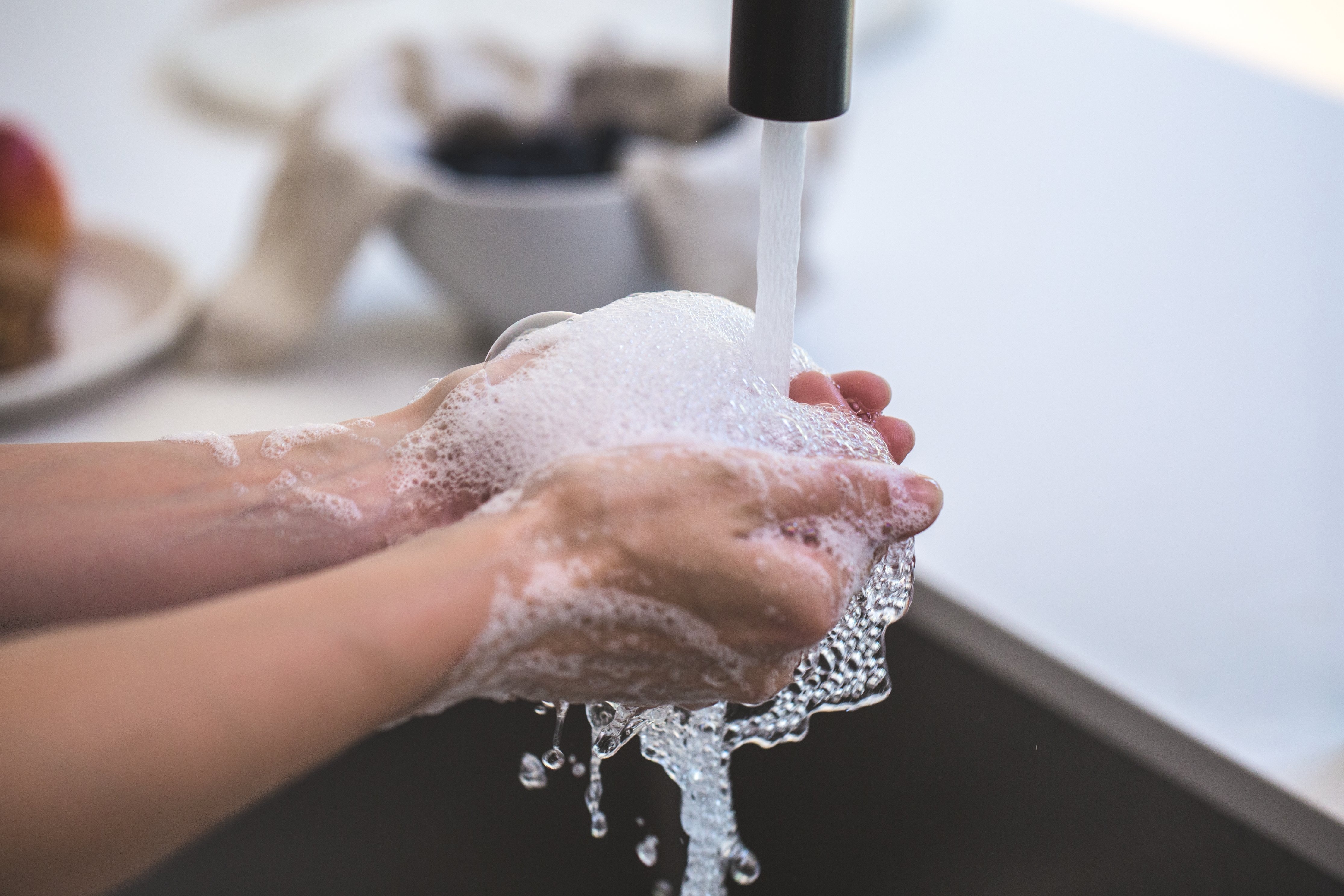
    Our hands carry lots of germs. We touch different surfaces, shake hands and eat our meals with our hands. One simple way to keep yourself and those around you protected from getting sick is by often washing your hands with soap and water. If you do not have access to soap and water, you can use hand sanitizer to kill the germs. Keep in mind, using hand sanitizer does not replace hand washing!

    You should wash your hands:

    • Before eating or cooking food
    • Before picking up or touching a baby
    • After using the washroom
    • After coughing or sneezing
    • After being in contact with someone who is sick
    • After being in contact with animals
    1. Dental Care

    Taking good care of your teeth and practicing good oral hygiene is very important. It helps prevent issues such as gum disease, bad breath, tooth decay, and more. It is recommended by dentists to brush your teeth 2-3 times daily. Also, after brushing your teeth, you should floss with dental floss. If you’d like, you can also use mouthwash right after. After brushing, don’t forget to keep your toothbrush in a clean and dry area. Your toothbrush should be replaced regularly.

    1. Bathing

    Taking a shower every day using warm water and soap is important. Bathing every day keeps you free from bacteria that causes odours and from developing skin infections. Washing your hair at least once a week with shampoo, following with conditioner keeps your scalp clean and prevents head lice.

    1. Hygienic Clothes

    Your clothing can also pick up germ and dirt from your surroundings. Your clothing should be washed after each use, especially if you’ve come in contact with a sick person, been sweating often or gotten your clothes visibly dirty.

    Risks of Poor Hygiene

    Poor hygiene increases the risk of infections. You can develop serious medical conditions if you do not maintain good hygiene. Maintaining good personal hygiene can help you remain healthy, and avoid possible risks.

    Maintaining good personal hygiene is not difficult. Once you have a daily personal hygiene routine, it will quickly become a habit.

    Resources:

    https://www.dettol.co.in/en/personal-hygiene/the-importance-of-personal-hygiene/

    http://www.hygieneexpert.co.uk/importancegoodpersonalhygiene.html

    https://wellnessgaps.com/importance-of-personal-hygiene/

    https://www.solvhealth.com/health-a-z/good-hygiene

  • Lessons from Pinocchio – Why You Should Value Truthfulness

    Lessons from Pinocchio – Why You Should Value Truthfulness

    We all know what happened to Pinocchio when he chose to tell lies instead of being honest. However, while we certainly won’t see our noses grow bigger when we lie, the effects can be just as devastating. For one, you hurt the person you’re telling a tall tale to. At the same time, you also hurt yourself when you throw honesty out of the window.

    Of course, we are not a perfect species. We can all admit to instances when we have withheld the truth. However, realizing what we’ve done and the consequences of our actions will make us remember and appreciate the value of honesty. Let’s delve deep into the negative effects of lying and how it impacts others and to yourself:

    Why People Lie

    There are situations when lying might not be as bad as you think. For example, if someone hands you a birthday gift that you don’t exactly like but you want to spare the giver’s feelings. Blurting out “I don’t like your gift” will make you sound ungrateful. In this case, you don’t necessarily have to lie but you can practice diplomacy so you don’t hurt the giver’s feelings. You can politely say, “I appreciate the gesture, but I am not sure the gift suits me.” Saying that may still sting, but at least you soften the blow and you can discuss options on what to do with the gift, whether to return it or give it to someone else.

    In other situations, lying is outright not advisable. This is especially true when you lie to influence others to make a decision that benefits you, avoid a negative outcome, or to impress others. For example, telling your parents about your plans with your study group when in truth you will be hanging out with your friends. Another lie is when you take credit for something you didn’t do so you look good in the eyes of the teacher.

    These lies may seem unimportant but they could have a huge impact if you look at the bigger picture. For example, your mom could have given up a work shift so she can watch your little brother since you’re not around because of the alleged study group. And your mom may have been up for a promotion where she is now in danger of not getting because she didn’t fulfill her work shift commitments when she was needed the most.

    The lie you told may even get more severe when you are tempted to tell another lie to cover your initial lie. Say you got a failing mark so you have to lie to your mom about not having enough time for the study group when there was no study group to begin with.

    How Lying Affects Relationships

    Say your mom found out the study group is non-existent and you’ve just been hanging out with your friends the whole time. The next time you ask to go somewhere, even when it’s honestly a study group, your mom will likely be reluctant to say yes. This is what happens when one lies; the trust in the relationship diminishes and one really has to make an effort to make the other person regain the trust.

    When you tell a lie, you also tend to build a wall between you and the person you told the lie to because you fear being found out. This results into feeling isolated and you miss out on opportunities to bond with the person.

    Just Don’t Do It!

    Fortunately, it’s possible to erase lying from your life but it does require effort and dedication. Next time you find yourself tempted to bend the truth, think about how the other person might feel. How would you feel if you were the one lied to in the same situation? Putting it in this perspective would definitely help you assess the situation better and you probably can say goodbye to truth-bending for good.

    Resorting to falsehood is something we’ve all done one way or another. The important thing to remember is to understand its impact to yourself and others.

    SOURCES:

    https://www.urmc.rochester.edu/encyclopedia/content.aspx?contenttypeid=1&contentid=528

    https://www.psychologytoday.com/ca/blog/fulfillment-any-age/201209/why-being-lied-hurts-us-so-much

    https://www.health.com/mind-body/why-do-people-lie

  • Balancing a Job and a Career at the Same Time

    Balancing a Job and a Career at the Same Time

    By Erin Rebello

    In this day and age, there seems to be a pressure for young people to put all their effort into working towards their careers. While this may seem like a noble notion, many career paths call for a bare minimum of a bachelor’s degree, with some requiring graduate education, making it increasingly difficult for the average Canadian to support such an endeavour. Even if you’re fortunate enough to have parents who have saved enough for a portion of your education, you’ll probably still find yourself taking on a part time job to pay for textbooks, meals, housing, and other expenses.

    There are many reasons why someone might want to get a job, but most of these reasons boil down to finances. Let’s face it, almost all post-secondary education is expensive! Although most schools do offer bursaries and scholarships, they far from cover the entire cost, and are only given to a select few students. As a result, you’ll probably have to find other ways to pay for your education, which may include taking out a loan. The Ontario Student Assistance Program, more commonly known as OSAP, offers government loans to students who require assistance to pay for their post-secondary education. Loans are very different from bursaries as you will have to pay back the money you borrowed with interest. Although that may seem like a fair deal, interest rates can compound quickly, and you’ll find yourself in a lot of debt before you even begin to earn money from your career; this is where a job comes in. Even if it’s only part time employment and only pays for a portion of your diploma, taking on a job gives you more financial security and financial freedom in the future, making it a great idea for college or university students.

    Another reason why it’s okay to get a job while working on your career is the fact that you can still put it on your resume! Although you might have a job that’s completely different than the career field, there are a lot of transferable skills that you might be overlooking. For example, working in a fast food joint would help you deal with the fast-pace of a professional kitchen. Working in retail also has a lot of transferable interpersonal skills that tie into jobs which require friendly interactions, such as teaching, counselling, and marketing. Also, working at these jobs shows employers that you have fantastic time-management skills, and that you are able to balance work and school at the same time.

    Finally, working in a part-time job while building your career also allows you to connect with new people and expand your network. Your bosses, co-workers, clients, and customers may have connections in the career field you hope to get into, which can make finding your permanent job far easier. Networking is always crucial because you never know when you might find yourself in a situation where your past co-worker becomes your employee. Making connections is also crucial as it gives you references who can support and vouch for your abilities. Most employers look for detailed references, so it’s always great to have on hand.

    In conclusion, although most people do it for the money, there are many perks to working a part-time job while pursuing your full time career, including connections, references, and transferable skills!

  • How to Create an Eco-Friendly Dorm/ Lifestyle at School!

    How to Create an Eco-Friendly Dorm/ Lifestyle at School!

    By Erin Rebello

    It’s that time of year when university acceptance letters are coming out and high school senior students are getting excited about leaving their homes to live on their own. Though the “dorm life” is a dream for many, it can actually be quite stressful not to know what to expect before moving into a new place. Not only this, but the amount of waste produced by students living on campus is much higher than you might imagine. It’s not easy living green when you’re on your own for the first time, and on a budget. There are ways that you can reduce your ecological footprint to help the planet:

    Schoolwork

    When in university or college, education should be your number one priority. Even so, there are several ways to reduce your carbon footprint while keeping up your grades:

    • Avoid unnecessary printing. Although you cannot (and should not) skip assignments that must be turned in on paper, it’s good to have a conversation with your profs in advance. With the availability and accessibility of online submission software, you may be able to hand in your work online. As a matter of fact, many universities are already switching to this paperless option, so you may not even have to ask!
    • Skip the notes- well, the paper ones! Although it can be fun to take a hardcopy of your notes on paper, with numerous courses throughout the school year, this quickly adds up! Instead, try taking notes on Google Docs or Microsoft Word, to avoid having to use paper every single lesson. If you use software such as the Google Suite, you’ll also be able to access your notes from anywhere, so you won’t have to worry about losing your notes or forgetting them in your dorm! If you still love the physical aspect of writing, consider trying out the Apple Pencil and I-Pad pro. The software Procreate allows you to take stunning notes with the Apple Pencil at the tap of a button. Easy peasy and Mother Nature approved!

    Food and Meals

    While gaining your diploma, you’re sure to need brain food to keep you going! When reaching for nourishment, remember that there are ways to eat that are sustainable and good for earth!

    • Although they are easily overlooked, disposable waste contributes to quite a lot of waste generated in dorms. When living on your own, it can be easy to use plastic cutlery, paper plates, and disposable cups to avoid having to do the dishes afterwards. This hurts not only the planet but also our wallet! Over time, it’s far more expensive to keep repurchasing paper and plastic products than it is to buy one set of quality reusable cups, plates, and cutlery.
    • Avoid the temptation of using meal delivery services. With the advent of apps such as UberEats, Skip the Dishes, Foodora, etc, instant food service has never been easier. As convenient and tempting as it may sound, it’s important to recognize the amount of additional carbon generated by the transportation of food, as well as the disposable cutlery provided. If you want to eat out, opt for on-campus options and try to dine in!

    Hygiene

    If there’s one thing you shouldn’t forget when living on your own, it’s hygiene! Keep your room (and yourself) smelling fresh with these eco-friendly reminders!

    • Instead of using harsh chemical cleaners to disinfect your dormitory, opt for more environmentally friendly alternatives! Brands like Common Good, Seventh Generation, and Mrs. Meyers are less irritating and more environmentally friendly in terms of their ingredients lists and business practices. You can also follow some simple DIY tutorials on Youtube to make your own cleaning products!
    • Switching your makeup, skincare, and body care products are also a crucial step on your path to being more eco-friendly. Look into brands that are fair-trade, eco-friendly, and cruelty-free for the most socially and environmentally friendly products to purchase! With a bit of research it’s easy to find products which generate far less waste than their drugstore counterpart.

    Lifestyle

    If you truly want to embrace the eco-friendly lifestyle, university is a great time to start! Below are a few ways to change up your general lifestyle to be better for the environment.

    • Thrift and buy goods and furniture secondhand. If you’re planning to live in a dorm, you’re probably preparing to do a lot of shopping for the furniture and wall decor. Instead of buying everything brand new, why not save money and do Mother Nature a favour at the same time by purchasing second hand furniture? Online second hand retailers like Kijiji and Craigslist make it easy to browse hundreds of options at once. You can also head to your local Goodwill or Salvation Army if you prefer to shop in person instead.
    • Thrift your clothing too! With thrifting making a comeback, it’s becoming trendy to purchase second hand clothing again! Capitalize on this trend and say no to fast fashion by bargain-hunting through the racks of thrift stores in your area. Grab a friend and you can make it an event!
    • The final thing that a lot of people tend to forget is the fact that eco-friendly tips you used back home also apply to dormitory life. Simple acts like taking shorter showers and closing the windows when the AC/heater is on make a huge difference in the long run. Keep up with the habits your parents have taught you in your own household and you’ll be able to continue being eco-friendly!
  • Making Friendships In Post-Secondary School

    Making Friendships In Post-Secondary School

    Making new friends doesn’t always come easy. Sometimes it’s just more comfortable to keep the old friends that we have instead of trying to meet anyone new. But, in the process of pursuing a post secondary education, it’s normal to become distant with old friends and want to make new ones. The question is how?

    Getting Involved

    The most obvious answer is to get involved in your school community. That means joining clubs to meet people with similar interests or maybe even joining the student government and helping plan events. This is of course a sure fire way to meet new people and also socialize with these people frequently. Most likely, these clubs will have an activity for you to do so that you’re not stuck doing nothing, desperately trying to find something to talk about. It’s a good way to get out more and really be a part of your community.

    However, joining clubs and student governments can be a bit of a commitment. In my personal experience, I joined many clubs during my first few weeks at university, however as work began to pile up, I stopped attending these clubs in order to prioritize school. In the end, I didn’t get to build a strong enough connection with the few people that I did meet in those clubs because I wasn’t able to attend enough club meetings.

    Making Friends In Class

    Another option is to just talk to the people next to you in class and maybe that’ll create a friendship in itself. If they’re in your class, you’ll have someone you can message if you miss a class and need notes. This is something that I attempted my first few weeks of university, however, it proved to be a sort of unrealistic way to make friends. If your classes are in big lecture halls like mine, you’re not guaranteed to have the same seat every time you come to class. This means that it’s hard to consistently talk to the same person each time. And unless you made a strong connection in that first conversation, they just become someone you’ve talked to instead of a new friend. Furthermore, there’s actually not a lot of time to talk during class if the teacher is lecturing the whole time. The effectiveness of this way to make friends really depends on the type of classes you take.

    Making Friends and Improving Grades

    An unconventional way that I’ve made friends is through getting school help. Typically, in university, professors provide office hours: times outside of class where you can see them and ask about the material you’re learning. My school also provides learning centers for specific subjects that are staffed with more teachers so that they’re able to help more students. However, as there are only a limited number of teachers and many students, I’m often stuck just waiting my turn to ask a question. But, this also allows me to ask my fellow students for help on problems and then return the favour. I found this to be a pretty organic way of talking to people and it ends up being beneficial to the both of us. We end up bonding over our mutual misunderstanding of the class and we both either get answers to our questions, or at least get someone to bounce ideas off of.

    All in all, just starting a conversation is the best way to make new friendships. Whether you’re in a club, in class or getting help from a teacher, you’re not going to meet new people if you never try to engage with them. Most likely, they’re just like you. As long as you’re kind and open to the people you meet, it won’t be too difficult to make friends.

  • Figuring Out Your Post-Secondary Education

    Figuring Out Your Post-Secondary Education

    When you are in high school, it flies by.  Occasionally, post-secondary will pop up into your mind. The question usually is ‘what do I want to be when I get older?’ Next thing you know you’re in Grade 11 or 12 attending university or college fairs trying to work it all out. You come to realize that you have to try and answer that burning question. The complicated thing about high school is that your seemingly controlled for most of it; In Grades 9, 10 and 11 it is mandatory for you to take courses like math. In your 4 years you must get at least 1 gym credit or even 1 French credit. You are forced to take courses that you don’t even want to. However, this can be a good thing: it helps you see what you are really interested in and what you’d potentially like to do at post- secondary. It’s all about figuring out what you like to do, high school is all preparation for post-secondary.  Different people work at different paces; some people go into high school already think they know what they’d like to pursue when they get older, but in high school they may change their mind. Others have absolutely no idea what they want to be when they get older, they didn’t know before, during or even after. You must remember that this is completely normal, just keep looking. Everybody on this Earth has a purpose and everybody is good at something. It is hard to narrow your options down because there are so many programs and careers to choose from.

    Now, I am in Grade 11. It feels like I just got into grade 9 when I was constantly nervous about being late to class or losing a textbook. At the beginning of high school, I never knew what I wanted to be. I knew that my grade 8 teacher recommended me for the STEAM program so I assumed that I would go into a science or math field, because that seemed like what I was good at. However, in Grade 9 I came to realize how much I hate science and math, but I love English and writing. In Grade 10, I realized that I like history too. I also figured out that I am not much of an athlete at all in my gym course. I am more of an expressive person; I like to write down what I feel and turn that into something more. It always feels like you have got an endless amount of time to figure everything out, but that is not true. This really hit me when I attended the university fair and university was starting to become more of a topic for conversation. Growing up is a puzzle; you’re always picking up the pieces and finding out where they fit and where they belong. When you get to post- secondary you don’t have to know what you want to do. You may even think you know, but you can always change your mind. Take whatever steps you can to try and figure everything out. Everyone’s path looks different; therefore, we all have different answers on what we would like to do. Below I have provided some advice and tips that could possibly help you slim down your options for post- secondary.

    Try Extra Curriculars: Most schools have a wide variety of extracurriculars and clubs that you can try out. There are many types of extracurriculars: art club, book club, robotics, drama club, math club. There are endless options! Trying different extracurriculars and finding your likes and dislikes can help you see what you excel in and what you enjoy doing. Extracurriculars are also helpful in many areas, they can look good on a post- secondary application or a resume, they help you improve your social skills and make friends too.

    Research: Everyone’s situation is different, some people may know exactly what they want to do, but not where they want to study. Some may be completely clueless as to what they want to do.  Therefore, research is essential. Look at different universities and colleges to see what programs they offer and if they have what you want. Look into what sounds the most appealing to you. Attend university and college tours to see what feels the best for you. If something looks right, it also must feel right. In your research make sure to always look at your budgets and finances, keeping an eye out for money is always helpful. If you need to, try applying for scholarships.

    Trust Yourself: At the end of the day, it all comes down to you and what you want to do. Do not do what your friends are doing or go where your friends want to go. Do not let your parents tell you where you should go. Listen to yourself, always be a leader! When the moment comes, you will know what to do. If you think that you don’t, do not stress over it. Your time to figure everything out will come soon enough. Everyone’s road to success looks different. You must trust yourself and validate that you know what is right for you.

    Works Cited:

    https://ukings.ca/news/considering-post-secondary-options-nine-tips-for-families/

    http://www.edu.gov.on.ca/extra/eng/ppm/graduate.html

  • Career Profile: Book Restorer

    Career Profile: Book Restorer

    Have you ever had a favourite book that fell apart? You could probably replace it quite easily if it was a modern book. Older books are harder to find, and they have important histories. Book restorers help to repair books for organizations, companies, and other customers to help them keep their documents safe.

    Book restorers usually have university degrees in a field such as fine arts or art conservation and restoration. Most universities in Canada have three- or four-year programs in these topics, and some community colleges also have classes that could help. Learning on the job is also a good way of developing the skills necessary for the work. Some of the key skills are repairing tears in paper, leather, or other materials, removing water stains and other spots from books, and rebinding books.

    Much of the work that book restorers do is with older books in museums, universities, libraries, or art galleries. Other work might be with customers who have books that are special for some reason. For example, someone might want help with a family history book that contains immigration documents or other things that they cannot replace. Some book restorers might even want to do both, working at a restoration job while also working part time at small business. Being able to work with your hands and use various tools is a necessary part of the job.

    Book restorers generally earn between $54,000 and $74,000 per year. Large universities or libraries are most likely to have these types of jobs, but smaller places also have some possibilities. This job is entirely indoors and can be solitary, but book restorers often consult with their colleagues and spend time at conferences and other events. Paper cuts and other small injuries are common, and the dust on books can cause problems for people with allergies. Otherwise, this is a safe job that people can do even into old age.

    Sometimes, book restoration can be creative. Many older books have decorations on the covers and some of the pages. The materials for making these shapes and colours might not be available by now, and book restorers might have to find new ways of getting what they need. For example, a plant that people used in Russia hundreds of years ago to make a yellow colour might not be available in Canada. A book restorer might need to find a substitute for that plant or send away to Russia for the dye.

    Book restoration is very delicate work, and it takes patience. Difficult projects can take days or even weeks, and book restorers need to keep good records of what they have already done. Part of the job is also training other people to do some of the work so that the process can go faster. If you like to do careful work and you enjoy working with books, this might be the right career for you.

    Book restoration might seem like an old-fashioned job these days, but it is important for preserving history and old documents.

    Bibliography:

    Book & Paper Conservation Services. “Fine Art Conservation & Restoration.” https://www.bookandpaperconservationservices.com/conservation-of-art-on-paper.

    Canadian Association of Professional Conservators. “A Career in Conservation.” https://capc-acrp.ca/en/what-is-conservation/a-career-in-conservation.

    Canadian Bookbinders and Book Artists Guild. “What is Bookbinding?” https://www.cbbag.ca/about-cbbag/what-is-bookbinding.

    Crafts Council UK. “Crafts Job Profile: Book Binder.” https://www.craftscouncil.org.uk/articles/crafts-job-profile-book-binder/.

    Job Bank. “Binding and Finishing Machine Operator near Toronto (ON).” https://www.jobbank.gc.ca/marketreport/wages-occupation/18555/22437.

    Job Bank. “Conservator—Museum.” https://www.jobbank.gc.ca/jobsearch/jobposting/31742589.