Category: Featured Articles

  • The Year that Changed Us: Reflecting on 2020

    The Year that Changed Us: Reflecting on 2020

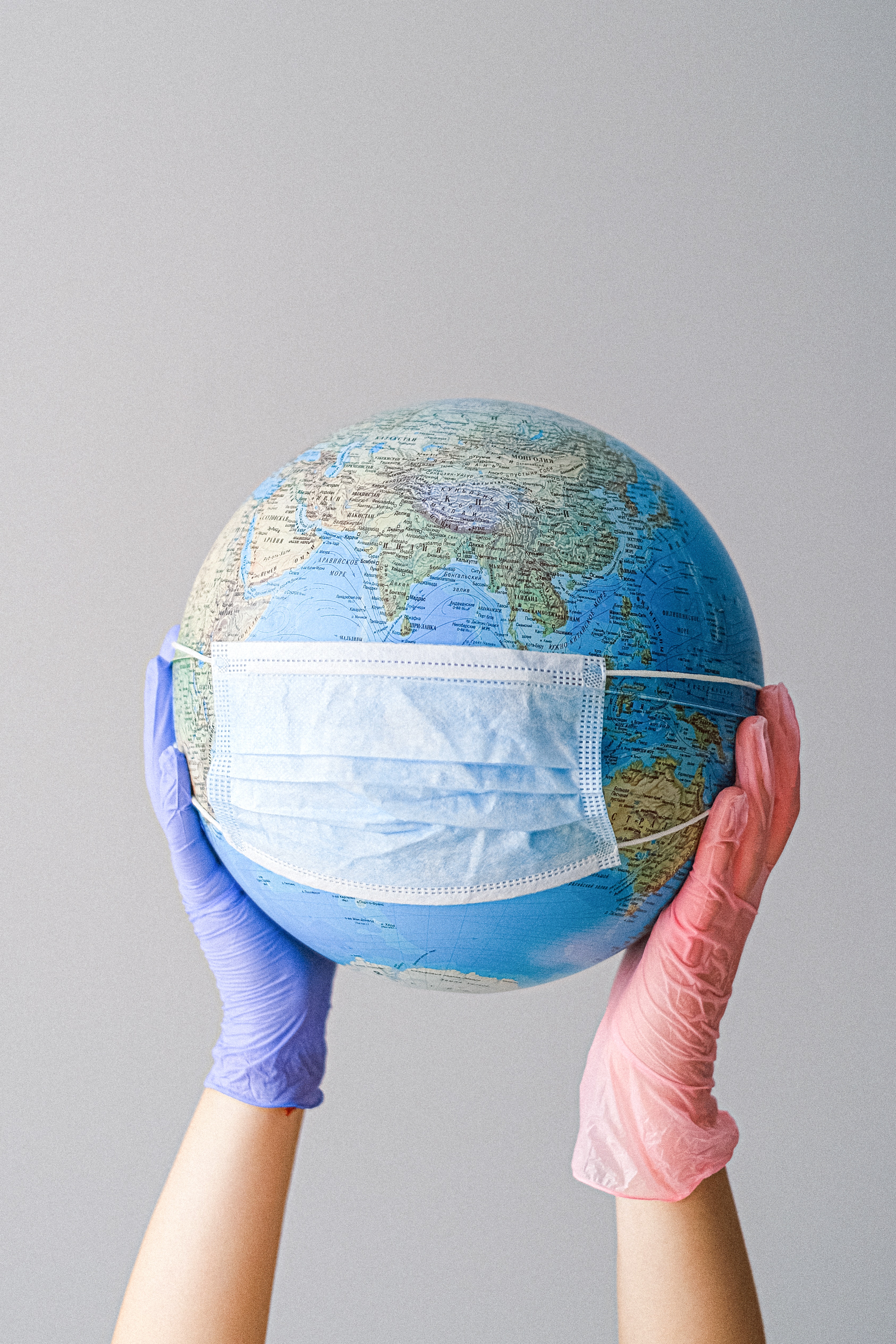
    Tumultuous. Unprecedented. Frightening. There are many ways to describe 2020, a year that has turned the world upside-down. It was a year defined by COVID-19, a global pandemic the likes of which has not been seen in generations. Shutdowns and social distancing brought modern life to a screeching halt. The future of work and career paths is less predictable than ever. Protests and political turmoil demonstrate a need for drastic change. It has been a wild year. As 2020 draws to a close, take some time to reflect on how the year has impacted you, how your life has changed, and what you have learned about yourself.

    In March of 2020, the world as everyone knew it transformed overnight. People suddenly found themselves at home all day, with many having to work remotely or losing their job altogether. The pandemic has normalized remote work and has created extreme uncertainty for industries dependent on gatherings, such as hospitality. Not everyone has been affected the same way. One study found that women were more than 1.8 times as likely as men to lose their jobs. Research from Future Forum found that the majority of workers do not want to go back to how things were prior to COVID-19. Whether you are studying full-time or adjusting to a new way of work, consider how all this has impacted the world you will be entering as an adult.

    Your parents and friends may find themselves working from home despite never having done so before. They may be struggling to figure out what to do next when their company suddenly took away their job. All or some of your courses may be conducted online, whereas a year ago only a small minority of classes would have been held this way. As the world undergoes drastic change, you will see it manifest around you with the ones you care about. Do you see people adapting or struggling? How do you and others remain resilient in the face of these challenges? What steps have you, your family, and friends taken to ensure proper self-care? As shutdowns continue and people are asked to remain home during the winter, take that time to reflect on these questions.

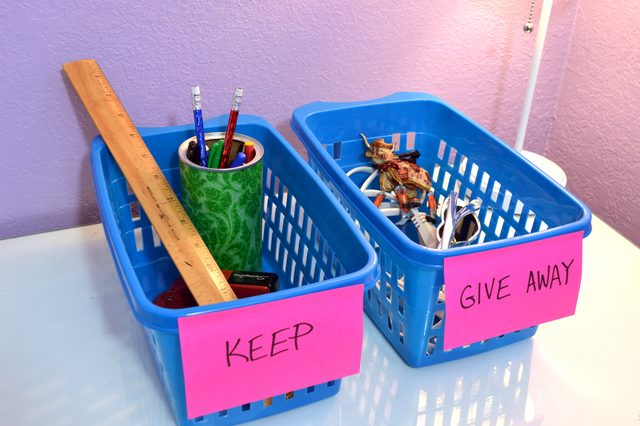
    Consider how this year has highlighted certain aspects of your personality, and perhaps even changed it. Get into the routine of writing down your thoughts daily, particularly about yourself. Compare your behaviour to one year ago, from your habits, hobbies, physical activities, and schooling. Perhaps you are more productive. Perhaps you feel drained and unable to focus on work or assignments. Consider the self-care practices you are doing and what you could be doing, such as spending more time with family, exercising, cleaning your room, and meditating. With the challenges of 2020 also come opportunities. You have a chance to make changes in your day-to-day routine to improve your health, to take on passions and interests you were previously reluctant or afraid to do, and to refocus your life on the things that matter most.

    This has been a year like no other. The pandemic has meant major upheavals in politics, careers, and schools. All of the changes and challenges are not going to magically disappear on January 1, 2021. This is the time to reflect on what this year has taught you about yourself and how you will carry that knowledge going forward. It is a chance to break bad habits and stop harmful ways of thinking. It is a time to reflect and refocus on you. Through all the adversity of 2020, there are also opportunities to build a better life, a better community, and a better world.


    Sources

    BBC. “Coronavirus: How the world of work may change forever.” https://www.bbc.com/worklife/article/20201023-coronavirus-how-will-the-pandemic-change-the-way-we-work

    Daniels, Nicole and Katherine Schulten. “What Have You Learned About Yourself During This Lockdown?” The New York Times. https://www.nytimes.com/2020/05/28/learning/what-have-you-learned-about-yourself-during-this-lockdown.html

    Witkin, Georgia. “4 Lessons to Learn About Yourself From Quarantine.” Psychology Today. https://www.psychologytoday.com/us/blog/the-chronicles-infertility/202007/4-lessons-learn-about-yourself-quarantine
  • Anger: The Unexpected Storyteller

    Anger: The Unexpected Storyteller

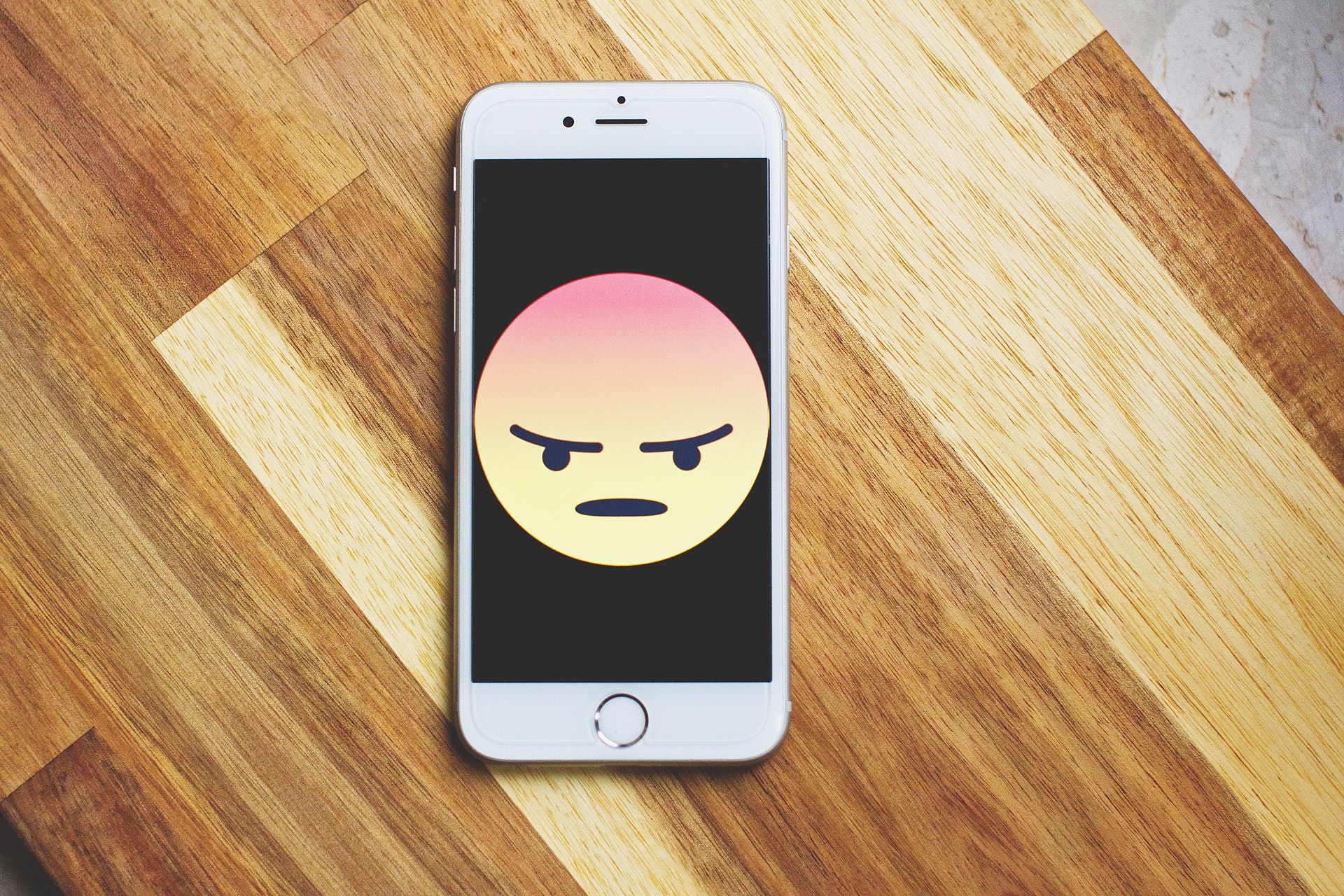
    Anger is arguably one of, if not the most complex of human emotions. It acts as an instinctive response to many different situations, whether it be something simple like receiving a bad grade or something much more complicated like losing a loved one. Anger is a natural response to suffering, either emotional or physical. The difficult part about it as an expression of emotion is that the way that the outside world perceives it depends on whether or not they deem your anger as justifiable. Different people get angry for different reasons, and when you think about it, anger can reveal a lot about someone. There are many types of anger, whether it be calm, internalized rage or loud and explosive. If the Wi-Fi drops, and you immediately become frustrated and walk around to different parts of the house to get a signal, you are perceived as the impatient type. Should you sit around and quietly wait it out, perhaps you are more patient. Consequently, whenever we become angry, we unknowingly reveal something about ourselves. So, anger also plays the role of an unexpected storyteller; it can say a lot about a person and whatever is going on underneath.

    What Does Anger Say About Us?

    Anger is recognized as a fundamental human emotion – it happens just as frequently as sadness, happiness, or any other feeling. As mentioned before, anger can be an inherent reaction to pain. Physical pain is easy to see, and therefore, easy to empathize with. But internalized pain, whether it be emotional or some form of mental distress, is more difficult to understand because it cannot be seen. In my life as a rather anxious person, anger has indeed been a response to dealing with the side effects of my anxiety. A big reason that I can become so angry is because I feel resentment towards certain people in my life for not understanding or acknowledging what I am going through. Even when they may not know. However, anger can be an effective storyteller because it always has a cause; when one is angry there is almost always a reason for it. So, when someone sees that you are angry, they begin to notice that there is something going on with you.

    What Can Anger Say About You?

    A lot of the time, people are unable to express their anger and they end up bottling it up for long periods. When people bottle up their anger for too long they can become agitated by little things. Anger can be difficult to find a positive outlet for because it can make everything seem annoying or uninviting. Recently, I watched a video about a new trend called rage rooms. A rage room is full of random objects such as televisions, glass, computers, etc. You wear full body protection and there are bats and other weapons that you can use to break the objects to express your anger and get it out of your system. Some people rather enjoy the rooms because they help them relieve anger and stress. I asked my brother what he would do if he went to one. He said that he would probably break one thing and then feel guilty about it. It shows that even in his angry state, he is still a remorseful person. But I do wonder, what does one’s anger say about them if they like destroying things to demonstrate their anger? Does that mean that they come across as violent when they are angry? Personally, I think that rage rooms are an interesting concept because anger is such a harmful emotion and sometimes it needs to be expressed in destructive ways; however, a rage room allows you to express this without hurting anyone or yourself. They also allow you to release stress and take your anger out on random objects that have no value to you or anyone you know, rather than a person. At the end of the day, ensure that your anger does not get the best of you or cloud your better judgement.

  • Online Learning: Surefire Tips on How to Maximize Its Benefits

    Online Learning: Surefire Tips on How to Maximize Its Benefits

    Canadians are not exactly strangers to the concept of digital learning, especially in the province of Ontario. In fact, according to a part of the Canadian National Online and Digital Learning Survey released early this year (pre-pandemic), Ontario’s post-secondary institutions are ahead in online course registrations with a 14% growth as compared to the national average of 10%. It was also revealed that all institutions in Ontario offer online learning as an option.

    After the COVID-19 virus was declared as a pandemic, this statistical figure increased on a nationwide scale as more and more classrooms moved into the digital learning space, although the exact number is yet to be determined. Key findings from the month of June gathered by RBC’s Thought Leadership website give us a good idea of the rise of online learning in the country: 5.1 million students in K-12, 1.2 million in universities, and 800,000 in colleges and polytechnics. In addition, 540,000 students likely completed their post-secondary education this year remotely.

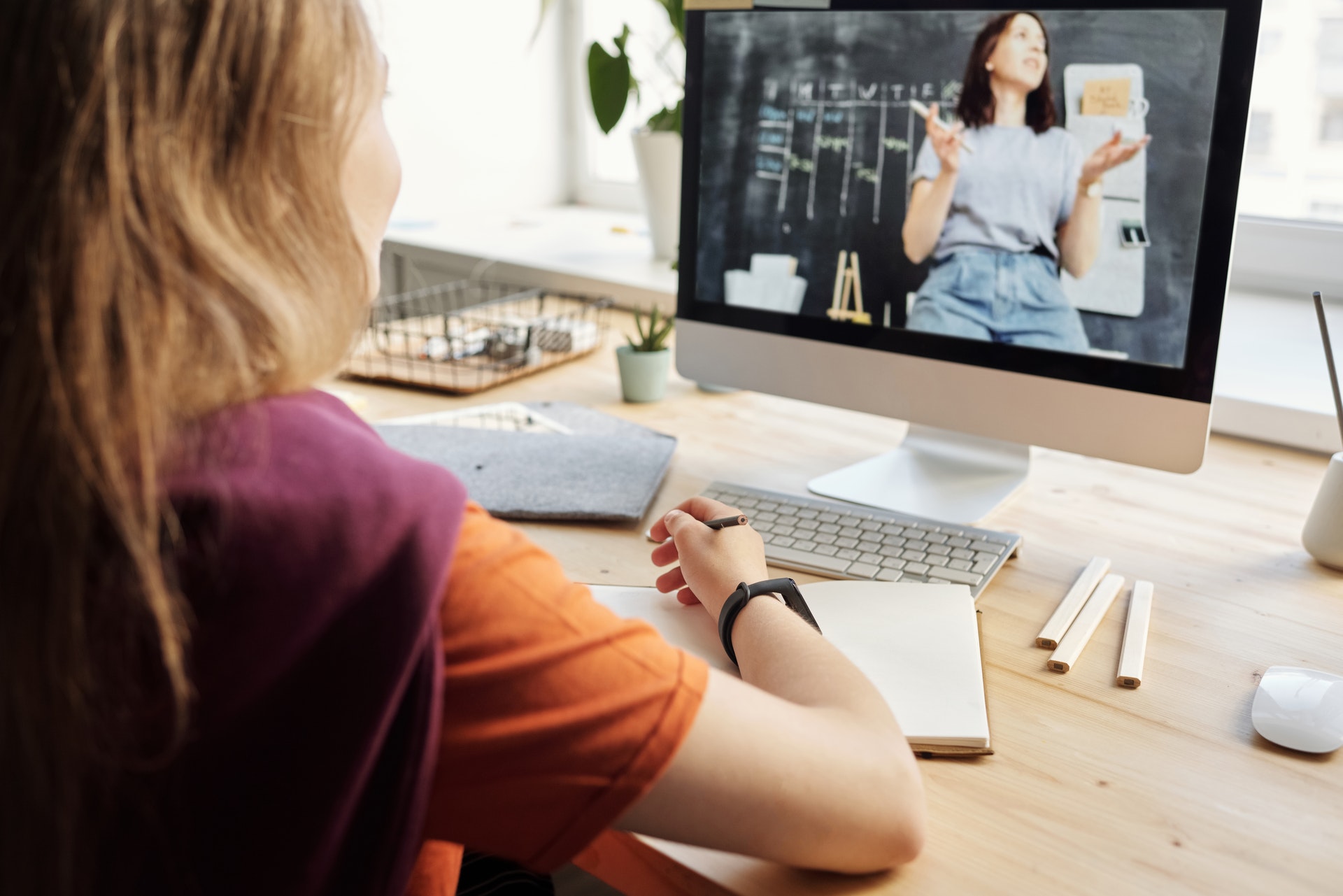
    Learning online is not without its challenges, however. There are those who feel that digital learning platforms don’t effectively track students’ progress as effectively as in-class learning and how they are inefficient in deducing whether students learn at all. Still, as the pandemic continues, we can’t truly do away with the online learning method even when it’s under a learning stage at this point. What we can do in the meantime is look at the glass half-full and come up with strategies to reap the full benefits of e-learning. Below is what you can do.

    Keep to a schedule

    While online learning might allow more flexibility than in-class learning, this doesn’t mean you can turn your back on schedule planning. Ensure that you have everything ready in front of you once the live sessions begin. It’s best to always have the link to log-in on hand so you don’t have to search for it in your files. If your instructor has provided links to resources for the class discussion, make sure that you’ve reviewed these, and have the links open or saved as bookmarks on your browsers for easy reference.

    Now, even when the sessions are not live and are instead recorded, don’t put off viewing them until the last minute. Act like you’re still on a strict in-class schedule, and log on to watch the recorded sessions at the same time each day, if possible.

    Have a dedicated study nook

    Again, it’s great that e-learning can be done wherever you are, such as in the kitchen so your go-to snacks are within reach or in the living room so you can keep an eye out for your parents’ package delivery. However, moving from room to room in your house to keep up with your class notes can be detrimental to your learning because it causes disruption. What you can do is choose a study nook and stay there for the majority of your time learning online.

    Put your phone away

    It’s always tempting to reach for your phone every time it lets out a message received tone. After all, it’s not like a teacher will give you a scowling look if you take a peek at your friend’s photo of a newly minted Beetle for his 18th birthday on Instagram. However, the more you continue this habit, the more you will fall into the FOMO curse. So the best move is to put your phone away while you’re doing your online classes. If you simply can’t part with your mobile device, then put it on Airplane mode.

    Maintain communication with your classmates and instructors

    Being under a lockdown doesn’t mean you’re on your own. Today’s e-learning platforms make it tremendously easier for classmates to connect with one another and for students to connect with their teachers. If there’s something you need clarified with a project, reach out to fellow students via forums or don’t be shy in shooting an email to your teacher. This is also a good way to socialize so your life isn’t purely about your subjects.

    We hope that the above tips will be helpful as you fully embrace online learning during these COVID-19 times. Remember though, give yourself a break in between studying! Happy learning!


    SOURCES 

    https://www.unh.edu/student-life/study-tips-covid-19

    https://www.regiscollege.edu/blog/online-learning/7-tips-online-learning-during-covid-19

    https://www.applyboard.com/blog/online-study-tips-covid19

    https://policyoptions.irpp.org/magazines/november-2020/are-students-and-educators-learning-during-the-pandemic/

    https://thoughtleadership.rbc.com/the-future-of-post-secondary-education-on-campus-online-and-on-demand/

    https://onlinelearningsurveycanada.ca/news/ontario-leading-the-way-in-online-learning-growth/

  • Adjusting to a New Form of Education

    Adjusting to a New Form of Education

    For students all over the world, the 2020-2021 school year looks stupendously different when compared to previous years as we have been engaged in distance learning since March due to the incessant covid-19 pandemic. Last school term, we powered all the way through to June with our classes fully online. It looked slightly different from how online school looks now. Last time, we all made the transition from physical school to online with our own schools, our own teachers, and our own friends. It still held a strong sense of familiarity. This year, however, we are going into a situation where physical and online schools are two separate institutions. The online schools are even complete with their own guidance counsellors and principals! Personally, at one point I was heavily concerned that I would not be a part of my school anymore. I was also worried that I wouldn’t be able to graduate with my school. This pandemic has been generally scary for everyone, however, I feel that for students an extra layer of stress is added because of everything happening in the education system and how it looks moving forward is very uncertain.

    The school year started out in a confusing way for me. The day they started I had not been told that I was even registered into my classes, nor did I have a schedule to work with. In fact, I still do not have my schedule. I only found out that I had been given my 2 classes when my brother told me that he got his. I was very stressed because I was afraid that I missed something, but luckily, I hadn’t. I started to feel a little better when I saw that some people I had known from elementary school and that I had a friend in one of my classes. It felt nice to know a few people on the first few days.

    The first two weeks of online school felt quite overwhelming. I wanted to make sure that I made a good impression with my teachers so that they would somehow know how hard I was trying.  It was also difficult adjusting to the zoom calls as my teachers last term did not do them, I had a lot to learn! At one point, I was a complete nervous wreck; every time I got a notification from my school app I felt the nerves erupt within my stomach. The uncertainty of everything was making me terribly anxious. My home has always been such a relaxing environment for me, when I do work here it feels relaxing at first. But I naturally feel the need to stress in some way when it comes to school because I have always related school to feelings of anxiety and stress. As a result, I was being harder on myself when it came to marks. I felt that I had to work harder to prove myself to them as a good student to my teachers and I feared that nothing I submitted was good enough.

    However, as I find the third week of this quadmester ending, I have been doing a lot of thinking. I have come to realize that the one person I should be trying to prove anything to is myself. With online school, I overthink and analyze every little thing, hence the reason I become so anxious about everything. I have since realized that I need to have a lot more faith in my ability to do work and more confidence in myself in general. This week, I was trying to practice more mindfulness and relaxation techniques for when doing my work. I grabbed a few things from my room and brought them down to my spot at the kitchen table to make it more relaxing (I can’t work in my bedroom because I get far too distracted!) and I have been taking frequent breaks. I am still working on the part of not being too hard on myself, but that’s probably the most difficult part.

    To anyone who is also doing online school, my message is this: do not worry too much about every little thing. Yes, you should worry from time to time (it’s only natural) but if you worry too much, you’re practically suffering twice. Hang in there, we’re all in this together.

  • The Benefits of Online Learning

    The Benefits of Online Learning

    By Erin Rebello

    Although at first the switch to e-learning can be daunting and difficult, when you really think about it, there are a lot of benefits of learning from home! Below is a list of just a few benefits that you can expect when taking an online class!

    1. You can learn in the comfort of your own home: Of all the benefits on this list, the privilege of studying in one’s own home is perhaps the greatest advantage for students- especially those in high school! Instead of sitting on a stiff plastic chair and watching a blackboard for six hours, you can bundle up in blankets and keep up with Zoom meetings from your couch, or bed, or kitchen, or anywhere! As an added bonus for students who attend schools with uniforms, you probably don’t need uniforms for e-learning. That’s right, you can take a video call in sweats and a t-shirt and not get in trouble!
    2. You don’t have to commute anywhere: Another huge benefit of e-learning for students who live far away from school is the fact that you don’t have to spend time commuting. This is especially true for students who take public transit or have a long drive to school. As someone who lives over an hour away from school, I have to say that I absolutely love this benefit! It gives me back over two hours daily and prevents me from coming into close contact with strangers on crowded TTC busses, which is a huge priority for me during these times.
    3. E-Learning is far more flexible than a normal school: For students who like to work independently and at their own pace, e-learning is extremely convenient! Many e-learning classes, especially those which are purely asynchronous, allow for students to complete tasks and modules at a pace that works for them. If you tend to work at a faster pace, you might find that this sort of learning allows you to work faster and more efficiently. Many students strive when given a sense of independence of their work, and if this describes you, you’ll probably love the way distance learning is coordinated.
    4. Gaining valuable computer skills: A final benefit of e-learning would have to be the fact that it teaches you how to utilize various computer applications. We currently live in the pinnacle of the technological era, meaning that technological literacy is as important as ever! Learning to use applications such as Zoom, Google Meet, Brightspace, etc will help you both in post-secondary studies and the workplace. The ability to work with new applications makes you a more employable worker and is also very helpful in general!


  • My Online Learning Experience: Erin Rebello

    My Online Learning Experience: Erin Rebello

    By Erin Rebello

    On Friday, March 13, millions of students across Canada left schools for an extended March break. Like many others, I was excited about the 3-week break, and couldn’t wait to kick back and lounge around my house. What I certainly didn’t expect was to leave school for half a year, only to be tossed into the unfamiliar waters known as “e-learning”. While in theory, online learning seemed easy and fun, I had a very mixed experience.

    The Good

    I’d like to start on a positive note and discuss my good experiences with e-learning in the past year. For starters, I liked that I was able to work in the comfort of my own home. My school board also didn’t use Zoom or any synchronous learning platforms which meant no meetings or in-person classes. As an introvert and someone who likes to sleep in, this was quite the treat… at least at first, but more on that later!

    My school is a part of a Catholic school board meaning that we usually follow a strict uniform, which can be stuffy and uncomfortable. Without daily meetings, there was no need for a restrictive uniform, and I was able to complete my schoolwork in clothing that I liked. This was definitely a game-changer and made studying feel less stiff and boring.

    Another huge advantage of e-learning was the fact that I didn’t have to commute to school! As someone who lives over an hour away from school, the daily bus rides can quickly add up, eating into my free time. By subtracting over 2 hours from my daily commute, I was left with more time to complete assignments, relax, and even pursue my extra-curricular interests.

    Finally, the last benefit of the switch to e-learning was the lightened workload. As declared by the government of Ontario, secondary school teachers could not assign more than 1.5 hours of work per course per week for non-semestered students. As a student taking 7 courses, this meant that I only had to complete 10.5 hours of work a week, which is quite manageable when you think about it. My school board also cancelled all exams, replacing them with cumulative projects instead. As someone who stresses excessively over tests and exams, this change was certainly a relief.

    The Bad

    While some of my experience with e-learning was very positive, it would be dishonest if I didn’t also disclose my negative experiences. Considering how little time teachers were given to prepare e-learning material for students, it’s understandable that there were more than a few flaws.

    As mentioned earlier, although it was fun to work from home initially, I found it to be very problematic over time. As someone who has trouble focusing on schoolwork, the comfort of working at home soon melted into an inability to complete assignments. Without the physical environment and structure of school, e-learning simply didn’t feel real. I felt lost, and it was as though my assignments had no meaning or importance. As a result, I fell behind in my work at first.

    Another huge issue was being suffocated by family while simultaneously feeling disconnected from my friends. Although I love my family and can usually tolerate my little sister’s antics, being cooped up with them 24/7 for the past few months has definitely been draining, and I miss my friends. School used to be a way for me to connect with my friends, however, e-learning has shifted most of my communications online, removing the daily social interactions that typically brought me immense joy. Coupled with several other factors, this has definitely taken quite a toll on my mental health.

    Finally, although the course material was adapted to be more digestible, switching to e-learning meant that many key topics were cut out to meet with official guidelines and be manageable for students. Although I am thankful for such consideration, I’m already worrying that I won’t know enough material from grade 11 to thrive in my grade 12 courses.

    Looking Forward

    In conclusion, my experience with e-learning over the past few months has been very mixed, with both positive and negative aspects. Although I do have some worries when going back to school, I’m optimistic for a better learning experience in these next few months. During the summer the school board (along with teachers) have had the much needed time to adapt the curriculum for both e-learning and hybrid learning. On a more personal level, I have also grown more familiar with e-learning platforms and have developed an ability to focus better in e-learning classes. All things considered, I’m excited to start the new school year and continue my e-learning experience.

  • My Online Learning Experience: Elora Pharai

    My Online Learning Experience: Elora Pharai

    It is that time of year again: back to school.  During this time, I would usually find myself picking out a new backpack, restocking my pencil case, and organizing my binders. However, this year preparing for back to school looks drastically different. In March, it was announced that schools would be closing across the world to diminish the number of cases in the ongoing Covid-19 pandemic. Finally, after 4 months of doing online schooling, the summer arrived. I spent 2 months bored out of my mind as I was mostly limited to the four walls of my bedroom.  At one point I would have given anything to have something to do, including schoolwork. However, as I find back to school approaching with each passing day, I am growing more and more apprehensive. As stated before, back to school this year looks most unlike any other year, since we must adjust to the pandemic. This time, students are being given the option to return to school or not. If not, they will do full-time online learning.

    I have chosen to do online school this year. Based on the 4 months that I did online schooling, I noticed that I work a lot harder and put more effort into my work. When I am at home, I tend to feel more confident in myself and my work for I feel less anxious. Each week, my teachers would assign the work at the beginning of the week and place deadlines within the week for certain assignments to be due. This suited me better as a student because it gave me time to plan out when I am doing which assignment. I also noticed that being in my home allowed me to become a lot more inventive and prolific with my work. While my online schooling experience did have many positive aspects, there were also some that I found to be challenging. Some days I found it difficult to focus on my work as I would easily get distracted by my phone or background noises. Sometimes, I also found myself feeling unmotivated and drained. Long story short, it is never an easy task to convert your kitchen into a classroom. However, there were many mechanisms and techniques that I followed to help make the negative parts of my online schooling slightly easier. I have included the ones that I found to be the most efficient below.

    Create a Comfortable yet Appropriate Workspace: One of the most important parts of home-schooling is finding a spot in your home that is quiet and non-distracting, yet enjoyable. As students, we have become so accustomed to doing work in our usual school settings. In my experience, I worked at the kitchen table because there was a lot of room on the table for me to spread my work, and it was like working at a desk. Personally, I have never been able to do my homework in my bedroom because I get too easily distracted by everything in it.

    Construct a Schedule: Homeschooling is also difficult as it is harder to make yourself follow a routine/schedule. Sometimes, everyday feels like it is the weekend when you have been home for so long. To train myself, I started by creating a daily to-do list of all the assignments that I planned to have finished by the end of the day.  I would set my alarm in the morning depending on how much work I had to do that day so that I would not be too cranky. Sometimes I would set time deadlines for myself so that I did not pay too much attention to one assignment and forgot about the other. I also found that creating a calendar to help me keep up with all my work and remember all my due dates was very helpful.

    Take Breaks! I have never been much of a person to take breaks. Before quarantine, I used to come home from school, shower, and then do my homework. After that was done, then I relaxed. I never felt the need to take a break, I became so accustomed to having that same routine. However, during quarantine, I noticed how important taking breaks was. I would do work for hours, and I felt hesitant to take breaks because I was so used to just doing hours of work straight. Taking breaks is extremely important as they allow you to relax a little and recharge for the rest of the work that you must do. They can also be helpful in allowing you to clear your head or even take a small nap.

    Take Care of Your Mental Health: From an outside perspective, home-schooling may look easy. Regardless, sometimes it can be challenging to keep up with everything and you start to feel overwhelmed. We tend to think that because all we must do is stay home; everything will just be easier. Nonetheless, we must remember that bad days are not just going to stop happening because we are staying in the same spot. Sometimes, things just feel bad even when they seem perfect. It is perfectly normal to have a bad day and to not always feel 100% like yourself. Remember that you must be gentle and patient with yourself.

  • Books to Read while Social Distancing

    Books to Read while Social Distancing

    By Maryam Sheikh

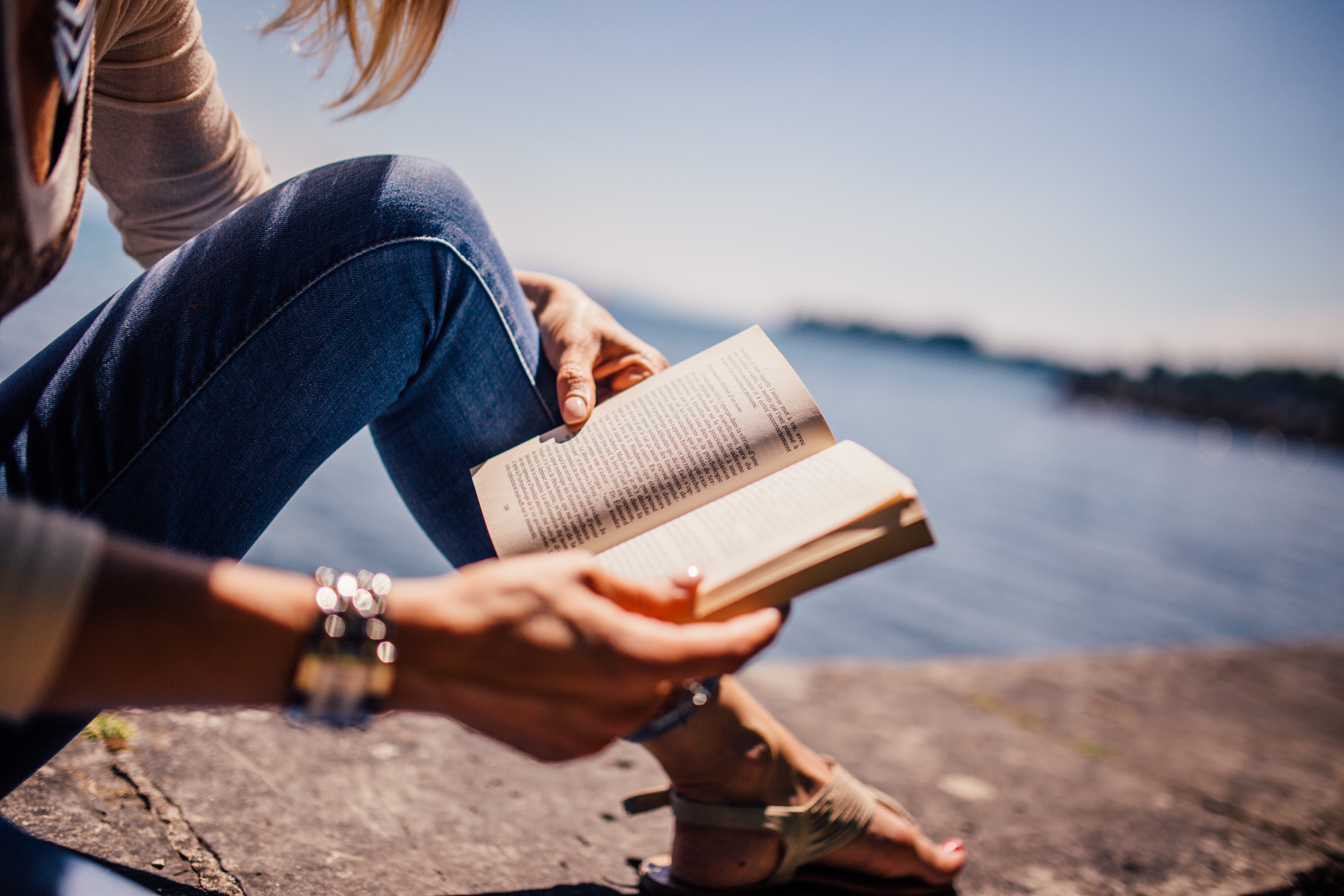
    One of my goals in 2020 is to read 100 books over the course of the year. While it is a large feat to accomplish, I really want to get back into one of my favourite hobbies- reading. I have always considered myself a bookworm, but in high school, I started reading less for fun and more for schoolwork and assignments.

    I think that during these times of social distancing, we can all develop some new habits and make room for hobbies we have been meaning to pick up. I’ve found the Overdrive app to be really helpful- it allows me to use my city library account to borrow ebooks and audiobooks. So, while I haven’t been able to go to the public library, I’ve been able to read on my phone. It’s also still possible to make online orders if you prefer hard copies of books. A few stores you can check out are Thriftbooks, Indigo, and Book Outlet.

    Here are some books I’ve read and loved- I recommend you check them out too!

    1. The Hate U Give by Angie Thomas

    This bestseller follows the story of Starr Carter, a teenage girl, as she deals with the aftermath of a police shooting that results in the death of her best friend.The novel, written by Angie Thomas, covers topics revolving around racism, police brutality, and activism. I found it extremely thought provoking, informative, and well-written. It’s a page-turner that focuses on some heavy topics but ultimately provides great insight on family relationships, identity, and discrimination. The Hate U Give was also made into a film and was released in 2018.

    1. The Darkest Minds Series by Alexandra Bracken

    This series is one of my all-time favourites! The Darkest Minds is a series that covers the story of Ruby, a teenager who gets sent to a government rehabilitation camp because she wakes up with supernatural abilities. At the camp, Thurmond, she learns the truth about her powers and escapes, desperate to find other kids and go to a safe haven for others like her. The series follows the journey of Ruby and her friends as they fight against the government. This dystopian, science fiction thriller kept me on the edge of my seat and I was hooked. It’s not a genre I would usually read but I’m happy that it was recommended to me because I thoroughly enjoyed it. This series by Alexandra Bracken consists of four books and also includes a collection of short stories called novellas.

    1. The Dinner by Herman Koch

    The Dinner is a mystery novel that starts when two couples, each who have a teenage son, meet at a high-end restaurant for dinner. Throughout the course of the meal, it becomes known that the two boys have committed a crime that is being investigated by the police. The story is captivating and reveals the backstories of all the characters while readers are left piecing parts together. It was definitely an interesting read!

    I hope you read some of these great books and enjoy them as much as I did- happy reading! Stay safe and stay

  • Repercussions of Social/Physical Distancing

    Repercussions of Social/Physical Distancing

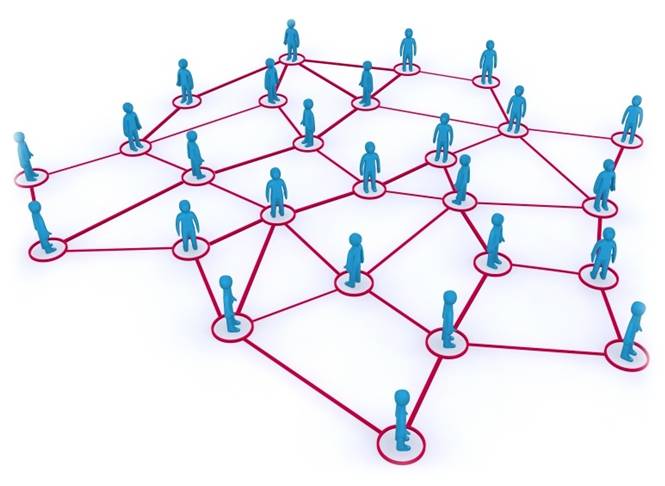
    If you feel lonely these days, you are like many other people around the world. The COVID-19 virus has brought social and physical distancing into people’s daily lives, and the consequences are still uncertain. When the pandemic finally ends, people will see how much the social and physical distancing have affected normal life.

    Ever since the virus started to spread, people have heard that they should stay apart from each other if possible. This “social distancing” is supposed to help limit the spread of the illness and to help get it under control. However, people are beginning to realize the possible repercussions of this advice, especially for the elderly or people who live alone. Some experts are now trying to change from talking about “social distancing” to using the term “physical distancing” to emphasize the need for people to maintain relationships and keep up their community ties. Language is very important and must be analyzed as we trudge through this time.

    You probably know that experts have recommended staying about two metres away from other people, if possible, to stop the spread of the virus. That way, coughs and sneezes are less likely to spread any illness to others. This distance may seem impossible to maintain, especially in apartment elevators and other close spaces. Still, many people have been trying to keep their distance from others. This distancing could help end outbreaks of the virus but damage society in many other ways.

    With schools and many businesses closed, people are not in contact with each other as much as they were before. For people who were already lonely before this happened, the change is devastating. For example, elderly people living alone might depend on their weekly activities to keep them interested and motivated to get up each day. Without that, they could easily fall into depression, from which they might never recover.

    Even for younger people, depression is a real possibility. Sudden changes like being unable to go to work or school can be difficult. People need to find something to do, and their old hobbies might be impossible without the option of meeting with others. Sitting at home all day with nothing to do is not healthy, and some people might find it hard to recover when the current crisis is over.

    Besides the emotional consequences, many people will find it difficult to recover economically. Jobs have disappeared, and even people with jobs are unable to work. For students, finding summer jobs might be impossible unless society returns to normal very quickly. If people are unable to pay their tuition, rent, or other bills, debt could become a problem for years to come.

    Academic progress could also stall because the virus has caused the closure of schools and universities. Some students who were supposed to graduate this spring might need to take an extra semester, and high school students may need to do extra work to graduate this year.

    The COVID-19 virus has brought many changes to the world with social and physical distancing. When the crisis is over, people will have to find a way to get back to normal.

    Bibliography:

    Hensley, Laura. “Social Distancing Is Out, Physical Distancing Is In — Here’s How to Do It.”

    https://globalnews.ca/news/6717166/what-is-physical-distancing/.

    Miller, Kenneth E. “Let’s Aim for Physical Rather Than Social Distancing.” https://www.psychologytoday.com/us/blog/the-refugee-experience/202003/lets-aim-physical-rather-social-distancing.

    Public Health. “Physical Distancing (Social Distancing) (COVID-19).” https://www.phsd.ca/health-topics-programs/diseases-infections/coronavirus/social-distancing-covid-19.

    Zaharieva, Radost. “The Dangers of Social Isolation During a Pandemic.” https://epha.org/the-dangers-of-social-isolation-during-a-pandemic/.

  • School Days during Social Distancing: No Pressure!

    School Days during Social Distancing: No Pressure!

    By Maryam Sheikh

    The spread of COVID-19 has resulted in unsettling times. With a lot of changes to our social lives, work, and school life, it can be confusing to navigate. Many students have shifted to distance learning which requires habit changes and schedule shifts.

    In this article, I will outline some tips to help you stay focused and productive during this time.

    When social distancing first began, I struggled with keeping a good sleep schedule. Suddenly given unlimited hours to sleep in, I went to bed later and woke up later as a result. I quickly realized that this was unsustainable and definitely felt like I could make more out of the days when I woke up earlier.

    My advice for organizing school days is keeping them balanced. I advise waking up around the same time you usually would on a school day and finishing schoolwork early so that you can enjoy the rest of the day. If you have parents or other family members working or studying from home, you can plan to wake up at the same time and eat a healthy breakfast together. This way, you have a source of motivation and can be held accountable for your habits.

    After a good meal, check the schoolwork you have been assigned for the day. Make a quick goal list of tasks you want to accomplish, and put it up in your workspace. If it is possible, find a quiet area in your home to work and limit distractions. This can mean turning your device off to avoid checking notifications or falling off track because of games.

    Online learning requires you to be more independent than usual, so if you are struggling to grasp concepts or complete work, be sure to contact your teachers for clarification and support. Use the support networks you have available such as family, friends, and classmates. I also find it helpful to watch videos to help my understanding of topics. Khan Academy is a great free resource to use- it has videos, discussion forums, and practice problems to complete.

    In between completing assignments and learning new material, be sure to take breaks to allow yourself to process the information. Fit in some daily exercise, pause to hop on a phone call with a friend, or give yourself half an hour to read a book.

    Overall, while these times have resulted in many changes, they are also an opportunity to build good work habits in preparation for the rest of high school or post-secondary education. In university and college, you generally only have a few classes a day and are left with a lot of time to get your assignments done while balancing work, extra-curricular activities, sports, and other commitments. Try to take advantage of the extra time to build self-discipline and focus!

    While following a schedule is important in maintaining good habits, it is also extremely important to keep physical and mental health in mind. These times are confusing and challenging for everyone, so be sure to talk about your emotions and feelings with people you trust. Remember, we are in this together!