Category: Nature Watch

  • Projects Abroad, Offering Youth Short-Term Volunteer Opportunities Abroad

    Projects Abroad, Offering Youth Short-Term Volunteer Opportunities Abroad

    Projects Abroad is a youth-oriented volunteer trip association that can help you plan a volunteer trip to help shape you career, your education and your life.

    the company offers the opportunity to do two weeks to several months of volunteer trips in many of the destinations where they operate. For volunteers who don’t have the time to commit to a month or more of volunteering abroad, but would still like to contribute to the community or their project of choice, then short-term two-week volunteer placements are a great option. These trips are not available in all situations; they have hand-picked only the countries and projects where it is suitable for both the host community and the volunteer to be there for such a short time. To see where these trips are available, check out their prices page – if there is a price listed, then it is possible to go for two weeks.

    Although you will not be able to make quite the impact that our longer-term volunteers make, in your two weeks you will be working intensely within the local community and building relationships. This will impart a level of cultural insight that is not possible for tourists to achieve.

    These trips operate in the same way that normal four-week or longer projects do, with some small adjustments to help you make the most of your two weeks abroad. For instance, they ask that you arrive on the weekend so that they can give you a formal induction to the area and culture before your first day of work on Monday.

    International Volunteer Work: What you get on 2 Week Trips

    Volunteers on 2 Week Trips are given the same benefits as those who join for longer periods of time. Start dates are flexible – just pick any weekend to arrive – and you’ll begin your project quickly after your arrival to maximize the amount of work you can do in country.

    In-country staff will be available to assist you throughout your two-weeks. You will be a part of an extensive volunteer network and meet people from all around the world. In some circumstances, you may be living with a local host family, which will provide you with the opportunity to get completely immersed in the local culture during your stay. On other projects, you may live with volunteers in a community-housing situation.

    Meaningful Volunteer Work in Two Weeks: 2 Week Trips and 2 Week High School Specials

    Short Term Volunteer Opportunities with Children, whether you’re taking time off from school, work, or just need a small career-break, there is always a way for you to squeeze a two week adventure into your schedule.

    For high school students (ages 16-19), we recommend the “2 Week Specials” program. These are group projects that have a high level of structure and central planning by local staff. You will be in a group of students your own age for the entire project. Local staff are always close at-hand. It’s a great way to travel and volunteer abroad for younger people who have never done this before. Staff members are with these groups.

    For ages 20+, we recommend joining projects for a month or longer. Most volunteers go for about two months. But if you can only squeeze in two weeks,  a “2 Week Trip” is worthwhile and productive as well.

    For more information about studying abroad, contact… http://www.projects-abroad.ca

     

  • Volunteer Centres in Canada

    Volunteer Centres in Canada

    As you know all high-school students need to have 40 hours of community service in order to graduate. Use this information to discover where your 40 hours can best be used.

    Volunteering and Community Hours

    What is a Volunteer Centre?

    Volunteer Centres are non-profit organizations or groups dedicated to fostering and developing volunteerism in the community as a whole. While other organizations contribute to sustaining our national heritage of volunteering through their programs and outreach, Volunteer Centres serve the broadest membership: including volunteers and organizations/volunteer-involving organizations. Volunteer Centres reach across the non-profit and public sectors to include organizations working in human and social services, health care, education, the arts and recreation – regardless of their source of funding.

    Jobs People Do | JobsPeopleDo.com

    What if my community does not have a Volunteer Centre?

    Volunteer Centres reflect the needs of the community they serve. Volunteer Centres exist primarily to foster and develop volunteerism in the community as a whole. They engage in four general kinds of services and activities:

    1. Promoting volunteerism and raising awareness of the power of service
    2. Building capacity for effective local volunteering through management consulting on volunteer programs and training of volunteers and managers of volunteer resources
    3. Providing leadership and advocacy on issues relating to volunteerism and volunteer programs
    4. Connecting people with opportunities to serve through recruitment and referral of volunteers to community agencies

    Four Main Reasons to Volunteer

    1. Make a contribution to society.
    2. Share your skills.
    3. Support a cause.
    4. Do something meaningful with your friends and colleagues.

    One of these reasons probably makes sense for you. You may already be working as a volunteer or are thinking about what you might want to do next. Whatever your reason, there are many different opportunities out there-and organizations that need your help.

    Finding the right volunteer opportunity can be like finding the right job fit–and it can change, just like a job can.

  • Canada’s Environmental Changes – How You Can Make A Difference

    Canada’s Environmental Changes – How You Can Make A Difference

    When you hear the words “global warming” or “climate change” you might immediately think of its impact on humans and our habitat. But what about the animals living in Canada – how does climate change affect them?

    Canada is the second largest country in the world and home to many different species of animals, all with unique needs. Some thrive in rainforest temperate , like that found on Vancouver Island in British Columbia. Others need the cold climate of Canada’s vast north, like Iqaluit or Churchill, Manitoba on Hudson’s Bay.

    Climate change affects all of these animals. Perhaps the most well-known issue is with polar bears in Canada’s north. Global warming is changing how long ice is available in the north and this greatly affects the ability of the polar bear to hunt, swim and move about their habitat. Ice has been thinner and melting faster than ever before, causing many polar bears to scavenge for food in nearby towns. Unfortunately, many of these bears then can easily come into contact with humans and will have to be either put down or tranquilized and moved away from the town. However, the problem of not being able to hunt will cause a vicious cycle of the bear then returning to the town to find food again.

    A similar problem exists in the temperate rainforest of British Columbia (yes, Canada does have a rainforest. How amazing is that?). Grizzly and black bears thrive on hunting salmon in these habitats, but even the salmon spawns have been decreasing in size due to pollution and overfishing. When they cannot hunt, they also enter nearby towns and inadvertently threaten human populations.

    What can we do to help these animals? There are a number of seemingly small steps we can take to help slow down the effects of climate change that will in turn work to restore the natural habitats of these beautiful animals. One of the easiest things we can do is to turn down our thermostats. It may seem like a difficult thing to do in a Canadian winter, but lowering our heat consumption saves energy. Saving energy reduces the amount of fossil fuels our energy-producing plants need to expend. Turn your heat off when you leave the house or when you are sleeping.

    Another easy change is to take public transportation. Even if you only take it once a week, you are reducing the number of harmful emissions and pollutants in the air which threaten the ozone layer (causing the heat to rise). Imagine if we all took public transportation more rather than drove our cars – we would make a huge impact on the amount of pollution in our air!

    Our cell phone chargers, MP3 player chargers and other electronic devices all use up energy when they are plugged into the wall – even if they are not charging anything! Always unplug these chargers from the wall when you are finished using them.

    Finally, an easy way to reduce waste in our environments (which pollute our waters and forests) is to bring a reusable bag with you whenever you buy groceries. Most grocery stores now charge for plastic bags in an effort to convince people to bring their own reusable bags. It’s very easy to do – just pop one in your back pack and leave it there! You will never be without it or run the risk of forgetting it. Plastic bags do not break down for hundreds of years – imagine an entire forest filled with plastic bags, or our rivers and lakes choked with them. Breaking our addiction to these bags because they are convenient is very easy to do and will make a huge difference for our environment and animals.

    It may seem like an impossible feat, but making small changes in our everyday lives will make a big impact on the wonderful environment we get to call home. We are lucky to share this world with beautiful animals like polar bears, and it is our responsibility to help protect them. Implement these small changes listed above, encourage your friends and family to do the same, and we can ensure Canada remains beautiful and diverse.

  • Abroad(er) Perspective

    Abroad(er) Perspective

    International exchange programs can be found at many universities and colleges across Canada and allow students the opportunity to widen their global horizons.

    “Students always tell us [the exchange] was the best experience of their lives” Rebecca Denby, International Exchange Coordinator for Western said.  “It opens doors they never imagined possible, it really expands their realities”, she continued.

    International exchange is a unique educational program; its primary goal is not to enrich a student’s academic portfolio, but rather to enrich their lives.

    Many potential participants are scared off by the costs associated with international exchange. However, the amount of funding available to assist exchange students is staggering. Scholarships, awards and bursaries are available from your post-secondary institution, host universities as well as the Canadian government.

    “Its such a phenomenal program, we really want it to be accessible to everyone” Denby commented.  In the 2009/2010 school year 49% of participating students at the University of Western Ontario received one or more scholarships to support their exchange.

    “In most cases students pay Canadian tuition fees so it’s more affordable than you would think, it’s exactly what they would pay here. The only difference is the cost of flight and living, which can even be cheaper than Canada depending on the country,” Rebecca continued.

    Although there are academic resources available at your post-secondary institution and at host universities, the experience forces participants to become self-reliant. With family far away students become responsible for their own wellbeing.

    “You have to get yourself where you need to be” Tania Batista, third year Engineering student studying at the University of Freiberg, Germany said.  She was stuck in Iceland after the volcanic eruption shut down transportation to the continent.

    “We were scared about what the cloud of ash was going to do. We needed to get back to Germany but hardly anything was flying out and everything else was booked, we could have waited but we’d have missed a week of school and spent a ton of money so we decided to wing it…I was so stressed I almost puked” she said.

    Tania was able to get back to Germany in large part due to the kindness of strangers willing to transport them from one city to another.

    When asked about the dangers of hitchhiking Tania responded, “I wasn’t scared at all, actually one of my favorite moments in Europe was hitchhiking through turkey with a couple of friends.  A garbage truck picked us up; the driver didn’t speak a word of English. We hitchhiked for nearly 300 kilometers!”

    With so much travel and life experience it is easy to slack off on academic responsibilities abroad. Many international exchange offices are taking into consideration the fact that some participant’s grades might suffer as a result of the exchange and are implementing a pass/fail system to cope with this reality.

    “The pass/fail system will be applied to every student going on exchange from 2010 onward, this new system certainly gives students an advantage” Rebecca commented.

    “However, students must to remember that while Canadian universities have pass or fail comments, grad schools and most scholarships will want to see transcripts from host universities which will show a percentage grade” she continued.

    While the educational experience is in itself a fantastic experience, most students agreed the travel was the best part of the program.  “I went on exchange to travel, and it was one of the best experience of my life, I’d definitely recommend it…I know its kind of cliché but I feel this experience has turned me into more of a man” Evan said.   Tania agreed saying, “There was no anxiety at all when I got there but I’m devastated about coming home, this whole thing has just been wonderful from the beginning”.

    When asked the most important thing they’d learned on exchange Krista Burns, third year International Relations student studying at the University of Norwich, England summed it up by quoting author Mark Twain, “Don’t let school get in the way of your education”.

    -Monica Blaylock

  • A 56-million-year-old lesson in climate change

    A 56-million-year-old lesson in climate change

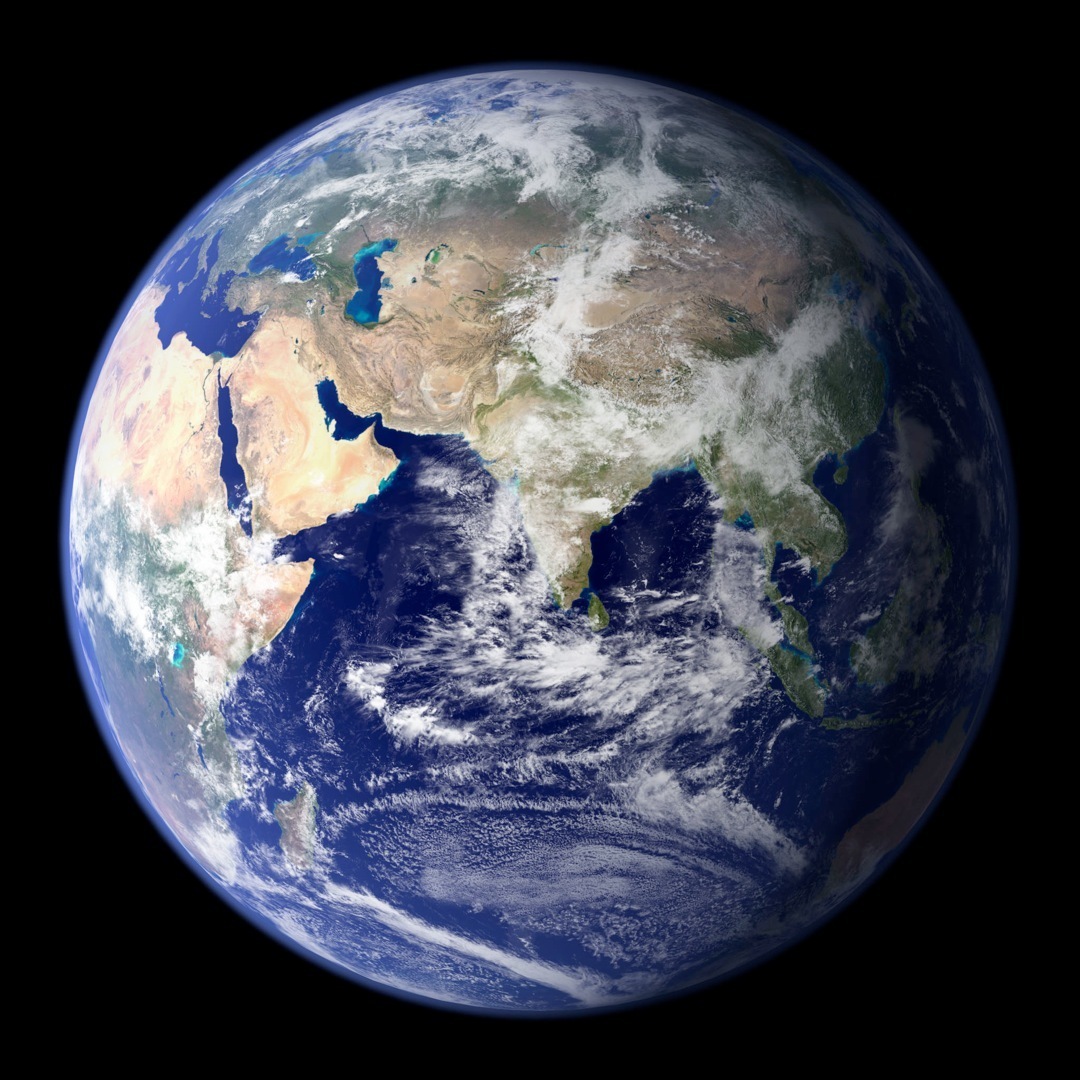
    Our planet is an ever-changing sphere of wonder and mystery. By studying sediments, ice-core samples, trees, and fossils, scientists have been able to piece together some of its phenomenal history and evolution. Humans have been here for a relatively short time, our survival and prosperity made possible by the unique conditions that unfolded to create the current balance.

    Throughout human history, we have been subject to forces of nature, but overall, the Earth has been in a period that has allowed us to flourish. We can’t take that for granted. When we look through a scientific lens, we see amazing hydrologic and carbon cycles, processes such as photosynthesis that allow us to breathe and eat, and so much more. We also see droughts, floods, insect infestations, and mass extinctions that can radically alter the balance of life.

    A massive release of carbon into the atmosphere can trigger cataclysmic events. It’s something we’re facing now, as we burn fossil fuels as fast as we can dig and suck them out of the ground to keep our homes and cities warm and lighted, and to propel ourselves in machines weighing more than 10 times as much as the often-solo person they are transporting.

    This is not the first time the Earth has changed in response to carbon overload. Scientists have found that the planet experienced rapid warming about 56 million years ago, long before humans arrived. According to an article in the October issue of National Geographic, a “massive and geologically sudden release of carbon” during the Paleocene-Eocene Thermal Maximum, or PETM, altered the planet’s systems, making it possible for new life forms to appear and thrive, including, eventually, humans.

    Evidence suggests that the carbon released then was equivalent to the amount that would enter the atmosphere if we burned all the Earth’s reserves of coal, oil, and natural gas. The warming effects are believed to have lasted 150,000 years until the carbon was reabsorbed.

    The main difference between now and then is that we are fuelling the current change, whereas 56 million years ago, it was a natural phenomenon — although scientists are still not entirely sure what caused it. The Earth was experiencing massive tectonic upheavals at the time, which would have sparked volcanic activity, but that only accounts for a relatively minor release of carbon and subsequent small increase in global temperatures, even if a comet impact were added to the mix.

    The most likely scenario is that the slight warming from those events, or from fluctuations in the Earth’s orbit, caused methane hydrates to melt, releasing massive amounts of methane into the atmosphere. As the National Geographic article points out: “The hypothesis is alarming. Methane in the atmosphere warms the Earth over 20 times more per molecule than carbon dioxide does, then after a decade or two, it oxidizes to CO2 and keeps on warming for a long time.”

    Methane hydrates are ice-like water molecules that form around a molecule of methane. In cold temperatures and under high pressure, they remain stable. Large deposits lie under the Arctic and the seafloor. Scientists believe the current warming could be enough to release these extremely potent greenhouse gases.

    Swedish geologist Birger Schmitz, who has studied the PETM science, told National Geographic that we can either wait to see what the result of such a large release will be, or we can look at what happened 56 million years ago. And what happened then “was a wholesale rearrangement of life.”

    Why would we undertake such a drastic experiment that threatens the survival of the human species when we have pretty good evidence of what the outcome will be? The main reason is that many of us are not willing to give up our newly acquired luxuries and economic systems regardless of the effects on ourselves, our children, our grandchildren, and all other life on the planet. We don’t seem to be willing to slow down the pace of fossil fuel extraction and use while we shift to cleaner energy sources and more rational ways of living within this finite biosphere.

    We have some tough choices to make. Science increasingly tells us that we must choose wisely and quickly.

  • Canada’s Natural Resources

    Canada’s Natural Resources

    Imagine walking along a forest path with a stream beside the path and trees all around you. Think about how calm and peaceful that would be. Now imagine the same place with the trees cut down and the stream dried up. For many people, the loss of natural resources like forests and streams would make the world a much less pleasant place. However, Canada’s natural resources don’t only look nice. They help us by providing the water, air, and food we need to live. If we enjoy these resources, we need to show our appreciation by taking care of them.

    If you live in a city, you might not realize how important natural resources are in Canada. Almost half (over 42%) of Canada’s land is covered by forests, including about a quarter of the world’s northern boreal forests of evergreen trees like spruce and fir. Almost 12% of the country’s total area consists of streams, rivers, lakes, and other sources of water. Canada also has about 25% of the world’s wetlands, such as marshes and swamps, where animals like moose and birds live. Water helps preserve many plants and animals that might otherwise disappear.

    Without water, life would be impossible. We use it for drinking, cooking, washing, watering the plants we grow, and many other everyday things. Fish and other animals that live in the water also provide resources to help keep the earth’s inhabitants alive and healthy. Can you imagine a life without water? Even the simplest activities would be difficult or impossible.

    Trees are just as important as water. They provide shade for hot weather and give a place for birds and squirrels to live. However, trees also help to clean the air and make it possible for people and animals to breathe. Our bodies take in oxygen and breathe out carbon dioxide. Trees do the opposite. By taking in the carbon dioxide animals breathe and changing it to oxygen, trees help to clean the air and to make the world more livable.

    Canada has many resources besides water and forests. Fuels like oil, coal, and natural gas help heat or cool houses and other buildings. Minerals like copper and nickel are useful for making all kinds of metal objects. Resources like these help make life easier and provide many of the things we enjoy. Can you imagine a life without metal? There would be no cars or televisions or many of the other things we enjoy.

    Even though natural resources are essential to life, it can be easy to misuse them. Many fuels cause pollution, which destroys the land, air, and water. Overuse of resources decreases the supplies available for the future. For example, the numbers of fish have declined greatly in many parts of the ocean. In other areas of the world, forests and other resources are disappearing quickly.

    Enjoying a walk through the woods or a drink of water is good, but really appreciating our natural resources takes work. How will you help preserve the natural resources we have?

    Bibliography:

    Environment Canada. “Habitat and Wildlife.” http://www.ec.gc.ca/education/default.asp?lang=En&n=9AD97E2E-1.

    The Free Dictionary.com. “Wetland.” http://www.thefreedictionary.com/wetland.

    MacEachern, Alan, Maini, J. S., Carlisle, J. A. The Canadian Encyclopedia. “Conservation.” http://www.thecanadianencyclopedia.com/articles/conservation,


  • The ocean is the cornerstone of our life-support system

    The ocean is the cornerstone of our life-support system

     Two trillion dollars is an astounding amount of money.

    Imagine this: The day Julius Caesar is born you are given $2 trillion. Then, you manage to spend $2 million every single day. After this tiring experience, you’d still have several hundred billion dollars in your pocket. Besides having really big pockets and a long lifespan, you might be one of the few people on the planet who understands the crisis our oceans face.

    Two trillion dollars ($2,000,000,000,000) is the amount that the global economy stands to lose by 2100 if we continue our current use and abuse of the ocean environment. That’s the news, according to a 300-page report called “Valuing the Ocean”. Coordinated by the Swedish-based Stockholm Environment Institute, the report concludes that human activities such as oil spills, fertilizer use, carbon emissions and other pollution will have a devastating impact on the economic benefits the ocean provides.

    Most of us think immediately of the value of fish and shellfish stocks. But the costs of degrading the environment include rising sea levels, storms, loss of tourism and the ocean as a carbon sink.

    The executive summary of the report says it best, “The ocean is the cornerstone of our life-support system. It covers over 70 percent of our planet and generates the oxygen in every second breath we take; it has cushioned the blow of climate change by absorbing 25-30 percent of all anthropogenic carbon emissions and 80 percent of the heat added to the global system; it regulates our weather and provides food for billions of people. The ocean is priceless.”

    But that’s not the end of it. Because of these collective impacts, $600 million of services provided by the ocean will be lost every year.

    We humans like to use the ocean, but we don’t seem to be considering the impacts we have, especially taken collectively. Governments and decision-makers are not properly considering the links between human activities and loss of productive ecosystems. Burning fossil fuels is putting carbon in the atmosphere and acidifying our oceans. Industrial fishing practices and lack of management have depleted 90 per cent of the world’s large fish, such as tuna, cod and halibut.

    The co-author of the report, University of British Columbia fisheries economist Rashid Sumaila, hopes that the report will help us make better decisions. “By stressing the links between multiple marine stressors and the huge value of the vital services that the ocean provides to humankind we [the report authors] hope to help kick-start decisive, integrated action to strengthen ocean governance and management across all scales, from local to global.”

    The report states, “the ocean is the victim of a massive market failure.” It really should say, “The market is a victim of a massive market failure.” The ocean doesn’t need any money. It’s the market that is losing the $2 trillion because it has failed to properly account for its own impacts—actively writing the benefits on the ledger sheet while ignoring the deficits.

    This Enron accounting has to stop. We can’t afford to keep trashing our oceans: there’s a whole lot more than $2 trillion at stake

    By Panos Grames, Communications Specialist

  • Species at Risk

    Species at Risk

    Canadian Wildlife Federation.

    Mammals
    There are 218 mammal species in Canada: 169 terrestrial species and 49 marine species. From the grizzly bear to the vole, terrestrial mammals face a number of threats; however, habitat loss is the largest threat to large and small terrestrial mammals. Approximately 36 per cent of marine mammals are threatened, with 78 per cent affected by accidental mortality (particularly by catch and vessel strikes).

    Amphibians
    There are 46 species of amphibian in Canada—including mudpuppies, newts, toads, frogs and salamanders—and a whopping 39 per cent of them are at-risk. Although habitat loss ranks first in causes for their decline, the combination of climate change and pollution as well as disease has contributed to their drop in numbers.

    Reptiles
    From snakes to lizards to freshwater turtles to marine turtles, there are 47 species of reptile in Canada. Threatened by habitat loss, overexploitation and road kills, reptiles are experiencing severe declines. To date, approximately 75 per cent of reptilian species are ranked as being of special concern or greater risk.

    Birds
    While 55 per cent of the 653 species of bird known to occur in Canada have been assessed as secure, COSEWIC has assessed 114 of the potentially at-risk species and found 71 to be either of special concern, threatened or endangered. Habitat loss is a major cause of their decline. In recent years, researchers have found dramatic declines in some bird populations, particularly aerial-insect-feeding birds; however, the underlying causes for these declines remain unknown in many cases.

    Fish
    There are 1,400 species of fish in Canada including freshwater, marine fishes and diadromous fishes (species that travel between salt and freshwater). According to COSEWIC, 27 per cent of Canada’s freshwater and diadromous fishes are at risk due to habitat loss and degradation. Moreover, there are 21 species of marine fishes deemed to be at risk—overexploitation being the primary threat to these species.

    For more information on endangered species, go to

    http://www.cwf-fcf.org/en/what-we-do/issues/endangered-species-program/species-reptiles.html

  • Volunteering

    Volunteering

    Music is a part of everyone’s lives. Whether you listen to the Top 40 on the radio, dance, or play an instrument religiously, in some way you have involved yourself in music. So why not make your volunteer hours a little more melodic by helping out the local music community? Doing this is highly recommended for those that are thinking about applying to music courses at a post-secondary educational facility.

    As a first objective, you will want to try and find your local music communities. Your town may have multiple communities and you may not even know it! Going to the chair (or whoever is in charge) of your high school music department will lead you in the right direction. They will most likely know if there are any music communities within the city that need students for volunteering.

    An excellent example of a music community would be your local music conservatory. In Niagara Falls, the Royal Ontario Conservatory has taken in many students as volunteers both for performances and other activities. Every summer the conservatory puts on a fundraiser for the Niagara Falls General Hospital, allowing the hospital to purchase much needed medical equipment.

    Your high school music department itself will most likely need volunteers during the school year. There should be plenty of fundraisers and concerts that are being put on which will need the participation of young students like you to do some work for the organization, preparation, and execution of events.

    However, there are many other music communities within your city as well. Make sure you take the time to look around! Volunteering for a music group that is geared towards your musical talents will assist your progress as a musician. For example, if studying vocals is going to be your major, try and volunteer for a local choir group. Perhaps your studying classical guitar or another stringed instrument (which counts the piano as well) finding a conservatory that will let you volunteer to help train young students. Remember, the more specific you get with your volunteer hours the more beneficial they will be! Also, do not be afraid to check out universities around your neighborhood to see if they need help as well. The harder you search, the more rewarding the experience will be!

  • The Value of Volunteering

    The Value of Volunteering

    Volunteering has almost become a dirty word in some circles, and it’s not hard to see why: when you’re looking for a job, giving away your labour for free can seem counter-productive at first. In spite of this, statistics show that some 12 million Canadians take part in volunteer activities each year—that’s nearly half the population . Let’s take a closer look at what you gain when you decide to volunteer.

    First and foremost, volunteering is a great opportunity to learn about yourself and what you enjoy doing. No matter where your interests lie, chances are there is a volunteer opportunity out there for you. Do you love animals? Volunteer at your local animal shelter. Are you passionate about the arts? Volunteer at a music festival. Think you might want to become a doctor? Volunteer at a hospital. You might love it and decide you want to pursue a career in that field—or you might discover that a particular job just isn’t for you.  Either way, you’re gaining valuable self-learning and awareness. Volunteering is the ultimate tool for exploring your interests and experimenting with different kinds of work.

    Not only can volunteering give you a chance to indulge your hobbies and find your passion, it looks great on a resume. Whether you spend a year doing it or just a weekend, volunteer experience can signal to employers that you’re the kind of person who has varied interests, takes initiative and isn’t afraid to try new thing. Given the number of resumes most employers go through, it never hurts to have something that sets you apart from the crowd.

    Another area where volunteering can be invaluable is networking. If you’re having a hard time finding work in a particular field, volunteering is a great way to break into the industry and get your name known. The contacts you meet through volunteering could serve you as references in the future, or they might be able to let you in on trade secrets or even job opportunities that aren’t available to the general public. Most organizations are extremely grateful for the work volunteers do and are more than willing to help you out if they can, so don’t be afraid to ask.

    The final reason to try out volunteering is the simplest: it feels good to give back. Volunteers are the lifeblood of many charitable organizations; without them, the good work these places do would never be possible. Keep in mind that volunteering is best experienced when it’s something that you find personally meaningful. Luckily, given the wealth of volunteer opportunities out there, finding one that matches your passion (and fits your schedule) shouldn’t be too difficult.

    This article has covered a few of the main benefits of volunteering, but don’t take our word for it. Get out there and discover the value of volunteering for yourself!