Category: Nature Watch

  • Carbon Scrubbers to Clean Up Emissions

    Carbon Scrubbers to Clean Up Emissions

    Research into methods of reducing carbon emissions is a continually advancing field, and a team of researchers developed an improved way to remove emissions directly from sources like smokestacks.

    The team recently had an article published in the Journal of the American Chemical Society detailing their findings, which focused on using substances based on a material called polyethylenimine to remove carbon dioxide (CO2) from sources. According to the article, these substances whoed some of the greatest results in removing CO2 from the air when compared to alternatives. The substances also proved capable of effectively capturing the CO2, and could either be re-used or isolated, so it wouldn’t contribute to global climate change.

    The team, which consisted of researchers from the Loker Hydrocarbon Research Institute and Department of Chemistry from the University of Southern California, explained in their article that the materials used are uniquely effective largely due to their low cost and reusability. The material is relatively inexpensive when compared to other options, and can be reused numerous times without losing its ability to capture CO2.

    The article also explains that materials manage to remain effective in real-world conditions. This means that the materials were observed as being able to accommodate for exceptionally humid, moist or dry environments, something that is important when considering practical application of scientific research such as this.

    Other options for CO2 reduction are more expensive, less effective or durable and use large amounts of energy than the processes being researched by this team. If the researchers are able to effectively implement these polyethylene materials, they will have created a valuable resource that is much easier to use. Considering the cost-effectiveness and stability of the polyethylenimine materials, the application of them will make sustainability much more accessible, and therefore potentially more widespread.

    The material’s main target for carbon reduction is smokestacks; however the research could also potentially be used to reduce CO2 emissions from car exhaust, submarines, and even the open atmosphere itself. Cleaning of the upper atmosphere would hopefully reduce the greenhouse effects of the CO2.

    CO2 is one of the greatest threats to the environment in recent years. The amount of CO2 emissions produced by humans is of great concern to the population due to its effects on climate change,rising sea levels and air pollution. Research on ways to reduce emissions of CO2 is an area of international concern.

    According to the World Health Organization, high levels of greenhouse gases — of which CO2 is a prominent part of — affect necessities to health like clean air and water and increase the incidence rates of climate-sensitive diseases.

    Up until now, finding ways to reduce these emissions has proven challenging and unpromising. However, if this research team is successful in implementing polyethylenimine as a way to reduce emissions, the levels of CO2 in the atmosphere may be significantly reduced. This would help reduce concerns of climate change, and result in cleaner air in an effective and affordable way.


  • Green Cleaning

    Green Cleaning

    Whether you live at home, or at campus, cleaning is an unavoidable part of the daily routine. Have you ever read the list of ingredients in store bought cleaning products? Not only are its contents difficult to pronounce, they are harmful and toxic. Green cleaning is not hard, and will save you money. Listed below are 3 simple ingredients that can be used to simply and efficiently clean your entire house.

    Vinegar or Baking Soda:  By adding warm water to either vinegar or baking soda, a natural all-purpose cleaner can be made. Vinegar and baking soda can be mixed together with water to clean as well. Do not worry about the vinegar smell; yes it is strong at first, but it will go away. The vinegar/water mixture can be used to clean both inside and outside of various machines and appliances like tea kettles, steam irons, coffee makers, and more. Vinegar or baking soda can be used to deodorize the home too (i.e. placing a slightly opened container of baking soda in the fridge). These green all-purpose cleaners can be used to clean almost anything! Everything from windows, clothing, furniture, microwaves, and even the kitchen sink can be cleaned with these simple ingredients.

    Lemon Juice:  The acid in lemon juice works great as a natural stain-remover . However, work quickly while using lemons as a stain remover since they do have “a bleaching effect, particularly when exposed to sunlight”. A lemon half can be used to scrub away at copper and steel surfaces; but be careful on marble. Or a cloth wetted with lemon juice (bottled or squeezed from a lemon) can also be used to rub away stains. Lemon juice can be combined with either salt or baking soda to form a paste, to make cleaning easier since lemon juice by itself it quite runny. Clothing, and other cloth-like material can also be freed from stains by using this lemon juice paste. After gently rubbing the mixture into the stain, be sure to wash the item of clothing after.

    Now that you know about green cleaning, your commercial cleaning products can be replaced; however, since they are toxic they must be disposed of responsibly. Toxic recycling programs are held in most communities to properly dispose of these chemicals. So even while cleaning may still be a chore, at least we can feel better that we are not harming the planet in the process.

    Check out these websites that offer more tips on green cleaning, and other ways on how to go green:

    http://planetgreen.discovery.com/

    http://www.treehugger.com/

    http://odyb.net/food-cooking/62-little-known-uses-of-vinegar/

  • Getting Involved with School Clubs

    Getting Involved with School Clubs

    During your first year of post-secondary education, youʼre going to want to experience different things, gain new friends, harness your academic and social skills, and perhaps get your mind off all that schoolwork.

    One of the best ways of doing this, outside of your classes, is by joining one of the many clubs on campus. There is bound to be a club that suits your needs and interests, and it may be as simple as going online to see what is available for you.

    A club is an excellent way to have fun while learning new skills that are relevant to your career path, and sharing your passion with other like-minded people.

    In my time at Brock University I joined three clubs.  One of them was the writers club – where students would join up after their classes to share poetry and prose. In a small seminar room, usually with under 20 students, we would discuss each others work in turns, pointing out our strengths and weaknesses.

    Sharing my work with others and receiving their criticism helped me grow as a writer. But clubs are not limited to just seminar discussions.

    Another club at Brock, called Guinness Brock,  is based around trying to break world records. If you need volunteer hours to put on your resume or application form, you may benefit from a club like this.  Being part of a club also helps out with scholarships, since most look for a candidate with strong extra-curricular achievement. Last year Guinness Brock broke the world record during their freshmen week for most people air soloing. They also attempted to break the record for worldʼs largest dodgeball game.

    More than just being rewarding, joining a club can help lead to other opportunities.  For example, the previously mentioned Guiness Brock club helped Brock student Sohail Ahmed climb his way to the top of Brock Universityʼs student council, becoming the acting president for the upcoming semester. Sohail founded Guiness Brock, not only to create a club that he would enjoy, but also to create something that would allow him to gain management experience that could lead him to other opportunities on campus. As a result, Sohail not only created a lasting impact in Brockʼs club society, he also created an opportunity for himself.

    As much fun as clubs can be, try and select clubs you’re interested in wisely and make sure they fit your academic schedule. Happy clubbing – and yes, there are probably dance clubs as well!

  • Scientists Work to Solve Mystery of Dying Bees

    Scientists Work to Solve Mystery of Dying Bees

    When a swarm of bees landed on a tree in their yard a few years ago, a David Suzuki Foundation staffer and her husband became accidental beekeepers. They called an apiarist relative who came over and helped them capture the bees, build hives and round up equipment. Now they’re enjoying fresh honey and wax and have developed a fascination for the amazing insects. Staff shared that wonderment when she brought honeycombs and tools to the office for an impromptu lesson on beekeeping and bee behaviour.

    Bees are endlessly intriguing, and incredibly useful to us — and not just for honey and wax. If bees disappeared, it would be difficult, if not impossible, to grow much of what we eat. Bees pollinate crops ranging from apples to zucchini. Blueberries and almonds are almost entirely dependent on them. Some experts say they’re responsible for one of every three bites of food we eat. The economic value of pollination services from honeybees alone is estimated at $14 billion in the U.S. and hundreds of millions in Canada.

    Bees are good pollinators because — unlike some birds and other insects that are after nectar alone — they also seek out pollen, which they use along with nectar to feed the hive. In the process, they transfer pollen from the male part of one flower to the female part of another, fertilizing plants so they can develop seed-carrying fruits. Wild bees and domesticated honeybees are both important pollinators.

    In fact, research indicates wild bees may be more important for food-crop pollination than honeybees. That’s in part because a single species, such as honeybees, is vulnerable to mass disease outbreaks. Wild bees also use a wider range of pollination techniques and visit more plants, and so increase chances of cross-pollination, according to an article in the Guardian.

    Sadly, both wild and domesticated bees are in trouble, and that means we could be, too. Causes of phenomena such as colony collapse disorder and other declines in bee populations are not entirely understood, but scientists are getting closer to knowing why bees are dying. Ironically, much of it relates to agricultural practices. Modern methods of growing food are killing one of our biggest helpers in food production.

    Wild bees also face threats from climate change and habitat loss. A recent study published in Science found half the wild bee species in the U.S. were wiped out during the 20th century. That’s been partly attributed to “an increasing mismatch between when plants flowered and when bees were active, a finding consistent with climate change,” according to the Guardian.

    Causes of honeybee deaths are more complicated. Colony collapse disorder has wiped out millions of hives over the past decade, with pesticide use, parasites and poor nutrition eyed as likely culprits. Scientists from the University of Maryland and U.S. Department of Agriculture recently found pollen collected by honeybees was contaminated with a toxic mix of pesticides and fungicides. It appears the toxins make the bees more vulnerable to a parasite called Nosema ceranae, which is believed to cause colony collapse disorder. Pollen samples contained an average of nine different agricultural pesticides and fungicides, and as many as 21 in one case.

    The European Union has imposed a two-year ban on three neonicotinoids, a class of pesticides thought to be responsible for the dramatic declines in Europe’s bee populations, but only for use on “crops attractive to bees”. However, according to the Maryland study’s lead author, Dennis vanEngelsdorp, quoted in the online news outlet Quartz, “It’s a lot more complicated than just one product, which means of course the solution does not lie in just banning one class of product.”

    We need to get a handle on the toxic chemicals we use to grow food. If our practices kill insects and birds that make it possible to grow crops, we’re defeating their purpose and putting ourselves and the rest of nature at risk. As individuals, we can help bees. Stop using pesticides and join the call to ban the worst ones. Plant bee-friendly plants and gardens, make wild bee “houses” and learn more about our fuzzy, buzzing friends. Like our DSF staffer, you could even adopt a hive.

  • Volunteer Centres in Canada – Get Your Volunteer Hours!

    Volunteer Centres in Canada – Get Your Volunteer Hours!

    As you know, all high school students need to have 40 hours of community service in order to graduate. Use this information to discover where your 40 hours can best be used.

    Volunteering and Community Hours

    What is a Volunteer Centre?

    Volunteer Centres are non-profit organizations or groups dedicated to fostering and developing volunteerism in the community as a whole. While other organizations contribute to sustaining our national heritage of volunteering through their programs and outreach, Volunteer Centres serve the broadest membership. Volunteer Centres reach across the non-profit and public sectors to include organizations working in human and social services, health care, education, the arts and recreation – regardless of their source of funding.

    What if my community does not have a Volunteer Centre?

    Volunteer Centres reflect the needs of the community they serve. Volunteer Centres exist primarily to foster and develop volunteerism in the community as a whole. They engage in four general kinds of services and activities:

    1. Promoting volunteerism and raising awareness of the power of service
    2. Building capacity for effective local volunteering through management consulting on volunteer programs and training of managers of volunteer resources
    3. Providing leadership and advocacy on issues relating to volunteerism and volunteer programs
    4. Connecting people with opportunities to serve through recruitment and referral of volunteers to community agencies

    Four Main Reasons to Volunteer

    1. Make a contribution to society.
    2. Share your skills.
    3. Support a cause.
    4. Do something meaningful with your friends and colleagues.

    One of these reasons probably makes sense for you. You may already be working as a volunteer or are thinking about what you might want to do next. Whatever your reason, there are many different opportunities out there – and organizations that need your help.

  • Jobs in the Outdoor Adventure Industry

    Jobs in the Outdoor Adventure Industry

    A brief window into the thrill based and skill based world of adventure sport.

    The vast array of dangerous jobs out there has started to receive more exposure, especially with reality TV recognizing our love to experience these jobs from the comforts of our couch. From coal mining to deep sea fishing, television seems to cover it all. However, a less exposed but speedily growing industry falling into the “dangerous jobs” category is outdoor adventure. Whether it is rock climbing instructors, heli-ski guiding, white water kayak or raft guiding, Canada’s adventure sport scene is booming. An interview with Trevor Cardozo, who has rafted for Canadian Rockies Rafting in the Canmore/Banff area of Alberta, provides some insight on what it takes to work in a job so vastly different from the typical nine-to-five/sit at your desk kind of job that many of us will likely end up in.

    What made you decide to enter the outdoor adventure industry?

    I had done a ten day canoe trip in Quebec when I was in high school, and that was kind of my crash course into the outdoor adventure world. I got accepted into university for a computer related program, but decided to rethink what I wanted to do, and to instead attend Algonquin College’s Outdoor Adventure diploma program, because of my experience on that canoe trip. The Algonquin program became my springboard into a career of climbing, paddling and eventually water raft guiding. Many people enter the industry because of the adrenaline rush, but for me it was more the ability to not be stuck in an office and be in the outdoors all the time.

    How do you deal with the “danger” aspect of the job?

    Always be on your toes, thinking about risk management and minimization. Know the difference between perceived risk and inherent risk, especially in rafting, as people often have a misconceived idea of it, often assuming it may be safer than it actually is.

    What are the some of the skills needed to succeed as a raft guide?

    You have to be really personable, loud and assertive. It is your job to make sure people have a great trip, so you almost need to be an entertainer. Between rapids there can often be quite a bit of time spent on flat water, and you want make sure your customers are not bored.

    What advice would you give to someone who wants to get into the outdoor adventure industry?

    Do it! There are basically two routes to go through. The first being broad outdoor adventure and education training, through companies like NOLS and Outward Bound, or college programs like the one at Algonquin (at the Pembroke ON campus) or Thompson Rivers University (in Kamloops BC). The second way to get into the industry would be to go directly to the company you are interested in working for, with no experience and work your way up.. if you take that route, you need to pay your dues.. work hard, work a lot and maybe even work for free.. but it will be a great learning experience. Specifically with white water rafting, most companies offer a guide training program. Some companies charge for this or others will pay you for it, but not until the end of the season, to ensure guides do not skip out after training and work for another company. A great certification to get that most companies will require is Wilderness First Responder.

  • Volunteer Centres in Canada

    Volunteer Centres in Canada

    As you know, all high school students need to have 40 hours of community service in order to graduate. Use this information to discover where your 40 hours can best be used.

    Volunteering and Community Hours

    What is a Volunteer Centre?

    Volunteer Centres are non-profit organizations or groups dedicated to fostering and developing volunteerism in the community as a whole. While other organizations contribute to sustaining our national heritage of volunteering through their programs and outreach, Volunteer Centres serve the broadest membership. Volunteer Centres reach across the non-profit and public sectors to include organizations working in human and social services, health care, education, the arts and recreation – regardless of their source of funding.

    What if my community does not have a Volunteer Centre?

    Volunteer Centres reflect the needs of the community they serve. Volunteer Centres exist primarily to foster and develop volunteerism in the community as a whole. They engage in four general kinds of services and activities:

    1. Promoting volunteerism and raising awareness of the power of service
    2. Building capacity for effective local volunteering through management consulting on volunteer programs and training of managers of volunteer resources
    3. Providing leadership and advocacy on issues relating to volunteerism and volunteer programs
    4. Connecting people with opportunities to serve through recruitment and referral of volunteers to community agencies

    Four Main Reasons to Volunteer

    1. Make a contribution to society.
    2. Share your skills.
    3. Support a cause.
    4. Do something meaningful with your friends and colleagues.

    One of these reasons probably makes sense for you. You may already be working as a volunteer or are thinking about what you might want to do next. Whatever your reason, there are many different opportunities out there – and organizations that need your help.

  • A Bad Deal for the American Eel

    A Bad Deal for the American Eel

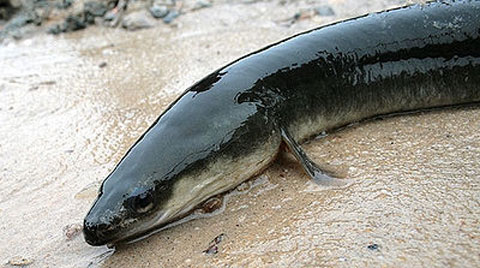
    Once extremely abundant throughout all tributaries to Lake Ontario and the St. Lawrence River, the American eel has seen a dramatic population decline. In 2006, the presence of eels in these waters decreased by almost 90 per cent. As of 2007, this species has been listed as Endangered under the Ontario Endangered Species Act.

    This dramatic population decline can be attributed to several factors, including the creation of hydroelectric dams, reduced access to habitat imposed by manmade barriers to upstream migration, general habitat destruction and alteration and commercial harvesting. The construction of dams threaten the American eel species in two ways: they result in habitat fragmentation and loss as they make it much more difficult for adult eels to migrate back to the ocean to spawn, and hydroelectric turbines contribute to higher injury and mortality rates of juvenile eels swimming downstream (depending on the size of the eels and the design of the turbines).

    The Canadian Wildlife Federation, in collaboration with the Ontario Ministry of Natural Resources, the Algonquins of Ontario and the Arnprior Fish and Game Club, have been tracking and tagging American eels in the Ottawa River since 2007. Previous work has been successful not only in determining which methods and locations are best for capturing eels, but also in documenting movement patterns and collecting data on habitat preferences and downstream migration timing. Currently the project aims to build on the knowledge gained in the first studies of eel movement and use this information to develop strategies for American eel recovery in the Ottawa River.

    On a section of the Ottawa River from Chats Falls dam to Chenaux dam, researchers are busily working to tag and track eels to monitor downstream migration patterns, determining if and when eels move past the Chats Falls dam. They are also monitoring upstream migration by installing temporary eel ladders at three barriers on tributaries to the Lac des Chats section of the Ottawa River. These ladders will be fitted with a trap at the upstream end, and eels that migrate up them and are trapped will be tagged and re-released downstream. If the eels are captured often enough, this will confirm to researchers that eels are indeed attempting migration through these routes and can provide important information about the barriers that may prevent later out-migration.

    Another important aspect of this project is the public awareness campaign that aims to educate people on the American eel and its importance in the ecology of the Ottawa River. This part of the project will be carried out through activities that increase local knowledge of the American eel, encourage the public to report eel sightings and discourage anglers from killing eels caught accidentally. Members of the public will also be invited to observe eel capture and tagging activities.

    The long-term goal is to re-establish a safe migration route for American eels in collaboration with local communities and hydroelectric producers. The ultimate goal is to see a future where the eel population is once again increasing in the Lac des Chats and adjacent sections of the Ottawa River.

  • Rail and Pipeline Disasters are Symptoms of Fossil Fuel Addiction

    Rail and Pipeline Disasters are Symptoms of Fossil Fuel Addiction

    Like smokers who put off quitting until their health starts to suffer, we’re learning what happens when bad habits catch up with us. We’re witnessing the terrible effects of fossil fuel addiction every day: frequent, intense storms and floods, extended droughts, rapidly melting Arctic ice, disappearing glaciers, deadly smog and pollution, contaminated waterways and destroyed habitats. Transport accidents are also increasing as governments and industry scramble to get fuels out of the ground and to market as quickly as possible.

    Throughout it all, we’re asking the wrong questions. Take the recent horrific disaster in Lac-Mégantic, Quebec. A train carrying fracked crude oil from North Dakota to a refinery in Saint John, New Brunswick, derailed, caught fire and caused explosions that destroyed much of the town and killed dozens of people, sending millions of litres of oil into the ground, air, sewers and Chaudière River. It’s a senseless tragedy that has everyone in Canada and beyond grieving for the community’s citizens and their families.

    Governments and the railway company must answer numerous questions about safety regulations and practices, to prevent a similar catastrophe from ever occurring. The larger questions, though, are about the dramatic increases in fossil fuel use and transport. Sadly, industry proponents quickly exploited the situation to argue for expanding pipelines.
    As growing human populations and increasing industrialization drive up the worldwide demand for fossil fuels, and as oil, gas and coal companies rush to extract, sell and burn as much as possible while markets remain strong, we’re seeing ever-increasing exploitation from difficult sources — fracking, oil sands, deepsea drilling and more.

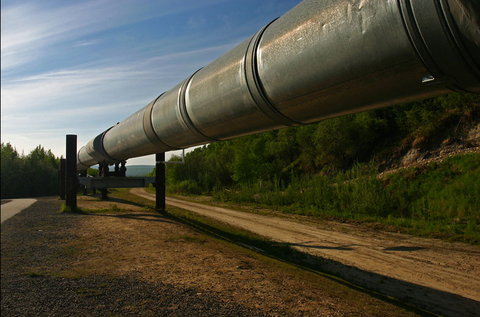
    The Canadian Association of Petroleum Producers expects oil production in Western Canada to double from three-million barrels a day to more than six-million by 2030. This means a huge increase in the amount of fuels transported around the country and the world in pipelines, rail cars, trucks and ocean tankers. According to the Railway Association of Canada, rail shipment of oil has already increased dramatically in Canada, from 500 carloads in 2009 to 140,000 this year.

    It’s true that rail accidents can be more devastating to human life than pipeline accidents — although when it comes to oil, pipeline breaks usually spill greater quantities and cause more environmental damage than train derailments. But shipping massive volumes of oil and gas is unsafe by either method. As we transport ever-increasing volumes of fossil fuels over greater distances to broader networks, we can expect more spills and accidents. Wastefully and rapidly burning them is also driving climate change, which experts say may even affect rail safety, as extreme heat and sudden temperature shifts can cause rails to buckle, increasing the potential for derailments.

    Massive pipeline spills and devastating rail accidents are among the immediate and frightening consequences of our growing appetite for fossil fuels, but our bad habits are really starting to hit back with climate change. The homes and lives lost around the world, numerous plant and animal species facing extinction, rising health-care costs from pollution-related illness and massive clean-up efforts after flooding show that failing to address climate change is far more costly than doing something about it. Much of what we’re seeing now — from increased intense rainfall and flooding in some parts of the world to extended droughts in others — is what climate scientists have been predicting for decades.

    We’re not going to stop using oil overnight, and we will continue to transport it, so we must improve standards and regulations for pipelines, rail, trucks and tankers. This should include safer rail cars for moving dangerous goods. Also, many environmental groups are calling for “a comprehensive, independent safety review of all hydrocarbon transportation — pipelines, rail, tanker and truck.” But in the long run, we have to find ways to slow down. By conserving energy and switching to cleaner sources, we can start to move away from fossil fuels — and to use remaining reserves less wastefully.

    That’s the discussion we need to have, rather then getting mired in debates about transport methods. As energy writer Russ Blinch noted in a Huffington Post article, “Looking at pipelines versus rail tankers is really like asking, ‘Should I drive the car with bad brakes or the one with bad tires?’”

    We need to look at the big picture.

  • What Happens After a Forest Fire?

    What Happens After a Forest Fire?

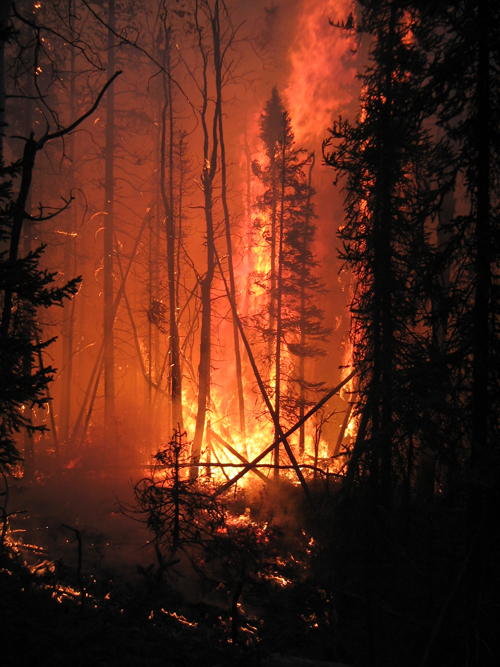
    Imagine what it would be like to watch a forest fire. Would you feel sad as you watched the trees and bushes burn and gradually turn to ash? Would you feel glad at the thought of all of the new life forest fires bring? It might seem strange to be happy at the thought of so much destruction, but forest fires can be a good and necessary part of the natural cycle of life. Without them, forests might never be the rich, green places they are – homes for animals and places where people can enjoy the outdoors.

    Every spring is the beginning of forest fire season in Canada, when about 10,000 fires will burn over the next few months. Some of those fires come from natural events, such as lightning striking a tree. More than half of them start because of human activity, such as when people forget to put out their campfires properly. By the time the snow and cold weather come at the end of the fire season, about 25,000 square kilometres of forest will be gone. Fires also pollute the air with carbon dioxide, which can make it difficult for people and animals to breathe. The animals that survived the fire will have to find new places to live, and plants will have to grow in place of the ones that were destroyed.

    Despite all of the destruction they cause, fires can also be good for the forests. They clear out all kinds of dead wood and thick grass that can choke new plants. With the extra space to grow, the plants can thrive. Trees like the Douglas fir and white spruce grow best on ground that has had a recent fire. Jack pines are especially dependent on fire. Their seeds come in thick cones which open up only with intense heat from a fire. Without an occasional fire to open up the cones, jack pines would eventually disappear. Many plants like these have ways of surviving even the worst forest fires.
    Despite opening up the ground for new growth, forest fires can damage the soil on the ground. With no plant roots to hold it down, the earth can blow away in the wind or wash away in heavy rains. Fire can also change the kinds of nutrients, such as nitrogen, that are available to feed the plants. The temperature of the ground can also rise, making it hard for certain types of plants to grow again, especially if the fire also affects the amount of moisture in the soil. Very intense fires can also affect small animals living in the ground, such as earthworms. Because these animals help to keep the soil healthy and full of nutrients, their loss can destroy the ground for years after a forest fire.

    So are forest fires good or bad? It depends on where they are, how big they become, and many other factors. However, fires are part of the natural cycle of life, bringing renewal and new growth to the world’s wooded areas.