Author: author below

  • Avant et après : Comment une année de COVID-19 m’a-t-elle transformée ?

    De Elora Pharai

    Je ne sais pas pour vous, mais je n’avais jamais, au grand jamais, imaginé qu’une pandémie pourrait survenir à notre époque. Chaque fois que j’en apprenais sur les pandémies dans les cours d’histoire, je pensais simplement qu’elles étaient des évènements du passé, loin de nous. Alors, évidemment, lorsque notre gouvernement a exigé deux semaines supplémentaires à la semaine de relâche l’année dernière, j’ai cru que ce serait juste deux semaines et que notre vie reprendrait son cours normal. Nous pourrions aller rendre visite à nos proches, sortir avec nos amis et retourner à l’école. Malheureusement, ce n’a pas été le cas.

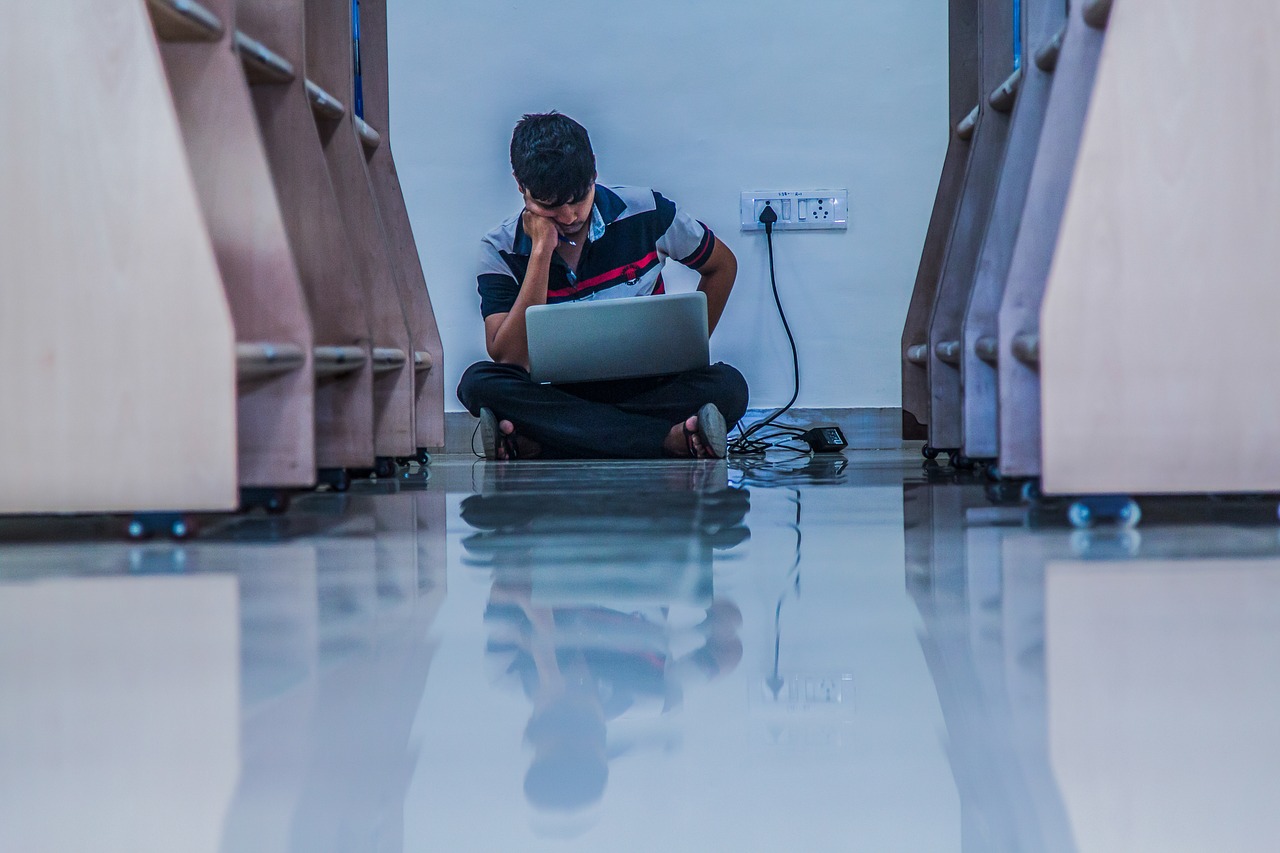
    Maintenant, après un an d’isolement volontaire dans la pandémie, j’ai commencé à remarquer que cela m’avait changé de façon surprenante. Je pense que je commence juste à le constater parce que je n’avais jamais imaginé que la pandémie deviendrait une si grande part de ma vie. J’ai toujours pensé que cela prendrait juste quelques mois de vie à la maison, mais ce n’est pas ça, du tout. Cette pandémie dure depuis un an. Un an à grandir, à apprendre et à évoluer. Elle a modifié mes rapports aux autres, la façon dont je vois le monde et même la manière dont j’en suis venue à me percevoir. Lorsque quelque chose arrive dans votre vie, celle-ci se scinde en deux : celle « d’avant » et celle « d’après ». Parfois, nous croyons que notre vie n’a pas beaucoup changé ; chaque jour ressemble au précédent, mais quand nous regardons en arrière, tout est complètement différent. Nous ne sommes même pas encore à la partie « d’après » de cette pandémie, mais même dans la partie « pendant », tout est différent. Ci-dessous, j’ai noté les principaux domaines de ma vie que la pandémie a transformés.

    Mes relations : une chose que la pandémie a beaucoup changée pour moi est ma relation avec ma famille, surtout avec mes frères. J’en ai trois, deux plus vieux et un plus jeune, et avant la pandémie, nous ne pouvions même pas nous trouver ensemble dans la même pièce. Mais, lorsque vous êtes forcés de passer beaucoup de temps ensemble, vous finissez par les apprécier. J’en arrive même à vouloir passer du temps avec eux et nous ne nous disputons plus autant. Maintenant, je ris franchement et nous passons de bons moments ensemble. La pandémie a aussi affecté mes rapports avec mes amis, à la fois de façon positive et de façon négative. Comme nous ne nous voyons plus en fonction de l’école, certains d’entre nous ne se sont plus parlé depuis des mois alors que d’autres parlent tous les jours et font des efforts pour garder le contact. Je pense que c’est pendant ces temps difficiles que nous commençons à voir qui sont nos vrais amis.

    Ma propre identité : L’isolement volontaire vous permet assurément d’avoir beaucoup de temps pour penser à vous-même. La pandémie n’a pas forcément modifié la façon dont je ne me perçois comme personne, mais plutôt comme étudiante. Avant la pandémie, je suivais le programme STEAM (Science, Technologie, Génie, Arts et Mathématiques). Je n’ai jamais été très bonne en maths contrairement à mes pairs et j’ai toujours voulu suivre une carrière d’anglais. Je me suis inscrite au programme STEAM uniquement parce que mon enseignant à l’élémentaire m’y avait recommandé et je ne voulais pas abandonner, car je croyais que si je le faisais, cela donnerait de moi une mauvaise image. La plupart du temps, je me sentais vraiment incertaine et je me comparais souvent à mes amis.

    Je comptais beaucoup sur eux et avais tout le temps besoin de réassurance. Cependant, grâce à l’école en ligne et le fait que je n’ai plus beaucoup de cours avec eux, je suis devenue manifestement plus indépendante et suis plus confiante en mes capacités et mes devoirs de classe. Malgré tout, j’ai toujours mes moments difficiles où je deviens très angoissée pour de petites choses comme les dates limites parce qu’à l’école en ligne, n’importe quoi peut arriver très facilement – que ce soit un lien Zoom défectueux ou un courriel important qui finit dans la poubelle par accident. J’ai également remarqué que la pandémie et la participation à l’école en ligne m’ont rendue bien plus distraite et je remets mes devoirs à plus tard plus fréquemment qu’avant.

    En définitive, la pandémie a amené beaucoup de changements et de développements dans ma vie ; certains sont positifs, d’autres négatifs. J’ai depuis réalisé que, peu importe ce qui arrive, la vie n’est jamais complètement bonne ou totalement mauvaise. À la fin, elle revient toujours à un juste milieu.
  • Gagner un revenu tout en travaillant et en étudiant de la maison

    La pandémie a eu des effets sur la vie de tous, mais encore plus sur celle des étudiants qui ont dû s’adapter rapidement à l’enseignement virtuel à cause des dispositions mises en œuvre pour lutter contre la propagation du virus et maintenir les infections au minimum.

    En plus, les étudiants des collèges et des universités attendent l’été pour commencer leurs emplois à temps partiel et gagner un revenu pendant leur pause. Malheureusement, avec les restrictions du confinement, seulement une petite partie d’entre eux ont pu travailler. Selon Statistiques Canada, le printemps et l’été sont les périodes où les étudiants travaillent le plus, mais 2020 fut radicalement différente. L’emploi des jeunes a chuté à un record de 49 %, le plus bas depuis 1976, alors que le taux de chômage a atteint un record de 16,8 %, le plus haut pourcentage depuis 1997.

    Bien que le gouvernement fédéral ait mis en place une allocation de 1 250 $ par mois pour les étudiants postsecondaires dont les moyens financiers ont été touchés par la pandémie, avec des versements de mai à août, la plupart sont encore déstabilisés par la raréfaction ou la perte d’emploi.

    Cependant, la crise sanitaire internationale a donné l’occasion de créer de nombreux choix de télétravail. Avec des horaires souples que ces occasions permettent, cet hiver, les étudiants ont une bonne chance de compenser leurs maigres revenus du printemps et de l’été. Regardons plus bas quelques possibilités.

    L’aide virtuelle

    Si vous avez de l’expérience dans le travail administratif, un emploi d’aide virtuelle peut fonctionner pour vous. Vous aurez les mêmes fonctions qu’une aide administrative, mais la différence principale est que vous travaillerez de la maison. Ça vaut vraiment la peine si vous avez l’habitude de répondre au téléphone et aux courriels, d’établir des fichiers et des documents, entre autres.

    Le commis virtuel à l’entrée de données

    Si répondre au téléphone ou aux courriels ne vous correspond pas vraiment, mais si vous aimez rédiger des fichiers et documents, alors le travail de commis virtuel d’entrée de données est l’occasion que vous recherchez. Les commis à l’entrée de données ont besoin d’excellentes compétences de communication écrite et si vous les possédez, vous avez une bonne chance d’obtenir l’emploi.

    Le créateur de contenu sur les médias sociaux

    Avec la réduction de la publicité et de la commercialisation traditionnelles, à cause de la pandémie, de plus en plus de clients cherchent à utiliser les outils numériques pour les aider à présenter leurs produits et leurs services au grand public. Et quel meilleur moyen de le faire que par les plateformes de réseaux sociaux comme Twitter, Instagram, TikTok et Snapchat ? Si vous maîtrisez à merveille vos propres comptes de médias sociaux et avez un nombre magnifique de suiveurs, alors cet emploi vous sera très facile, surtout si vous êtes astucieux dans la commercialisation et la publicité.

    Agent virtuel au service à la clientèle

    Nous comptons tous sur les agents des centres d’appel pour nos problèmes, que ce soit une mauvaise facturation sur notre carte de crédit ou un problème technique avec notre nouvel ordinateur portable, et nous connaissons leur importance – surtout maintenant que la plupart des gens travaillent de la maison et ont le temps d’appeler pour tout ce qui les dérange. Si vous avez d’excellentes compétences de communication et aimez aider les autres à résoudre leurs problèmes, alors cet emploi est totalement dans vos cordes. Un plus est que la plupart des centres d’appel travaillent 24 h sur 24, ce qui vous permet de suivre vos études tout en gagnant un revenu.

    Le tuteur en ligne

    Si vous êtes un étudiant avec de très bonnes notes et aimez aider les autres étudiants à atteindre leur plein potentiel, un emploi de tuteur en ligne pourrait être parfait pour vous. Il y a beaucoup d’étudiants à l’école élémentaire et intermédiaire qui ont des problèmes à cause des défis amenés par l’enseignement virtuel et c’est là que vous pouvez intervenir. Choisissez d’aider dans une matière que vous maîtrisez parfaitement. Une autre possibilité est tuteur d’anglais comme langue seconde où vous pouvez enseigner à des enfants de l’étranger pour qu’ils améliorent leurs compétences en anglais écrit et parlé.

    La liste de possibilités d’emploi à distance est longue, mais ceux-ci sont quelques-uns qui sont en forte demande. Examinez ces occasions et choisissez ce qui fonctionne le mieux avec votre emploi du temps. Bonne chance !


    SOURCES

    https://www.cbc.ca/news/politics/students-summer-jobs-pandemic-covid-coronavirus-1.5558824

    https://globalnews.ca/news/7579576a/canadas-top-jobs-2021-randstad/

    https://www.thebalancecareers.com/best-online-jobs-for-college-students-4154845

  • Career Profile: Movie Extra

    Career Profile: Movie Extra

    Imagine being on the same screen as famous actors. Although not everyone can have a major part in a film, being an extra can give people experience in movie work while providing an income. If you want a way to get into film acting or you want to earn some money, working as a movie extra could be a good choice.

    Almost every movie or television program has scenes with people who are there just to make the scene look real. Some documentaries also have people in these types of roles. These people are called extras or background actors. Customers in stores, people walking along the street, or students in a classroom are all examples of extras.

    Normally, no acting experience is necessary for becoming a movie extra, but often directors and producers are looking for a certain type of person. For example, they might be filming a movie that takes place in Sweden or Japan, or they might need people under a certain age.

    Casting agencies are good places to look for this sort of work. For instance, the Toronto Film Extras agency matches people with the films that might suit them. Otherwise, social media pages, newspapers, and personal connections are often the best ways to find jobs.

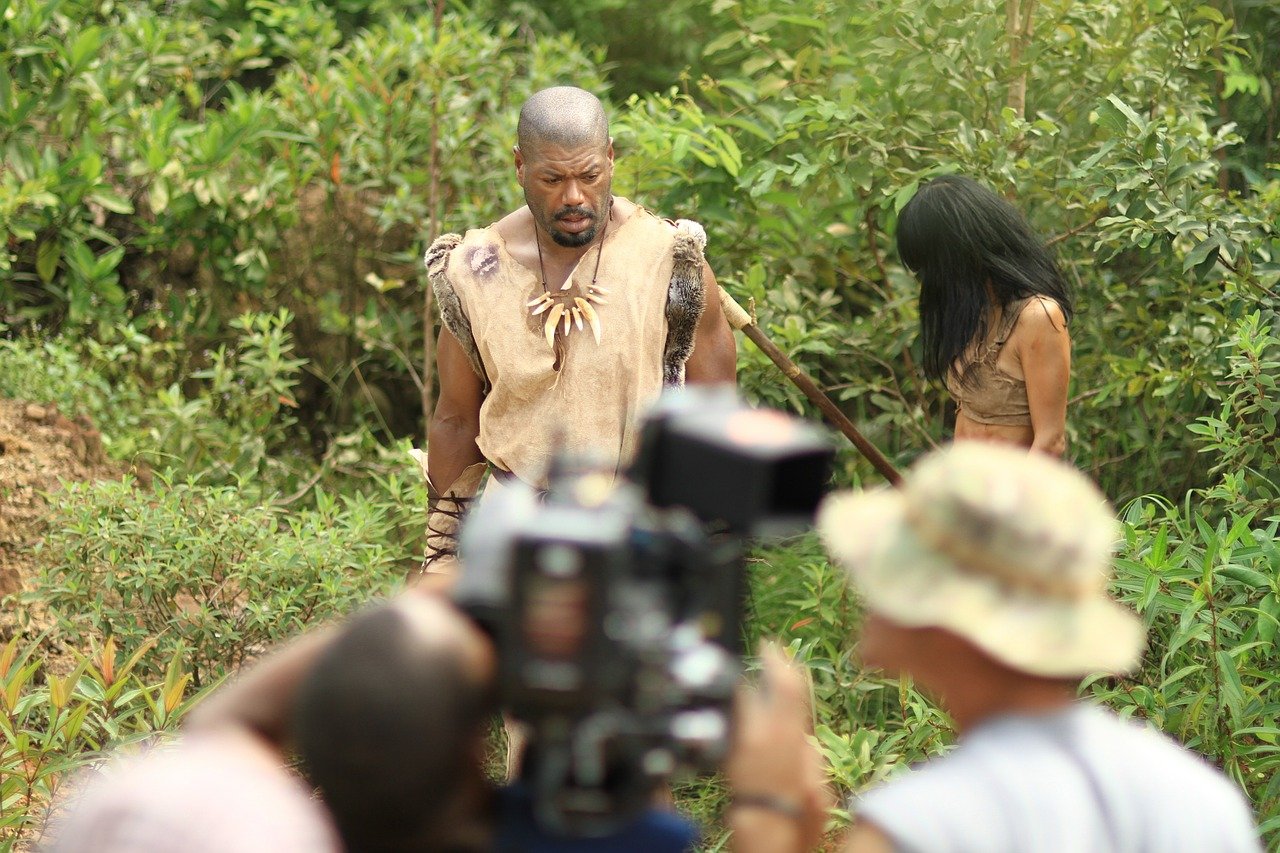
    Personal connections were how I found two unpaid roles as a movie extra. The first was in a documentary that included a group departure from the Moscow train station in 1929, filmed at a train station in Winnipeg. I borrowed some of my grandmother’s clothes and one of her suitcases and spent an evening as an emigrant leaving Russia.

    My second role was as part of the crowd in a movie about the Winnipeg General Strike of 1919. The filming lasted for much of a day and took place in the downtown area where the strike had originally happened. Once again, I found my own costume for the role. I also had to manage with blurred vision, as my glasses were too modern for the era of the movie. For shortsighted people who act as extras regularly, laser surgery or contact lenses would be beneficial.

    Although my two roles were unpaid, extras can normally earn a fairly good living, given the right circumstances. The COVID-19 pandemic has reduced the amount of work available, but extras can normally earn close to $200 per day. The work can be tiring and repetitive, and much of the time is spent in waiting. However, even a very long day as an extra can be fun. Costumes and makeup are normally provided if they are necessary, and food is typically available.

    Almost any Canadian city potentially have some work for extras, but Toronto and Vancouver are likely to have the most and best-paid options. Joining a union is a good idea, as the standard wage for unionized extras is over $26 per hour but $14 for non-union extras. Finally, being able to follow instructions is the main skill that extras need. If you like acting and want to have a small part in the movies, becoming an extra is a good choice.


    Bibliography:

    Breman, Phil. “How to Become an Extra in Movies and Television.” https://www.thebalancecareers.com/how-to-become-an-extra-in-movies-and-television-1283512.

    BlogTO. “How to Be a Movie and TV Extra in Toronto.” https://www.blogto.com/film/2013/02/how_to_be_a_movie_and_tv_extra_in_toronto/.

    Brown, Chris and Chris Corday. “B.C. Movie Extras Enjoy Boom Times Thanks to Low Canadian Dollar.” https://www.cbc.ca/news/canada/british-columbia/b-c-movie-extras-enjoy-boom-times-thanks-to-low-canadian-dollar-1.3438860.

    Central Casting. “How to Be an Extra in a Movie.” https://www.centralcasting.com//how-to-be-an-extra-in-a-movie/.

    Toronto Film Extras. “Welcome to TFX!” https://www.torontofilmextras.com.

  • Career Profile: Geographic Information Specialists

    Career Profile: Geographic Information Specialists

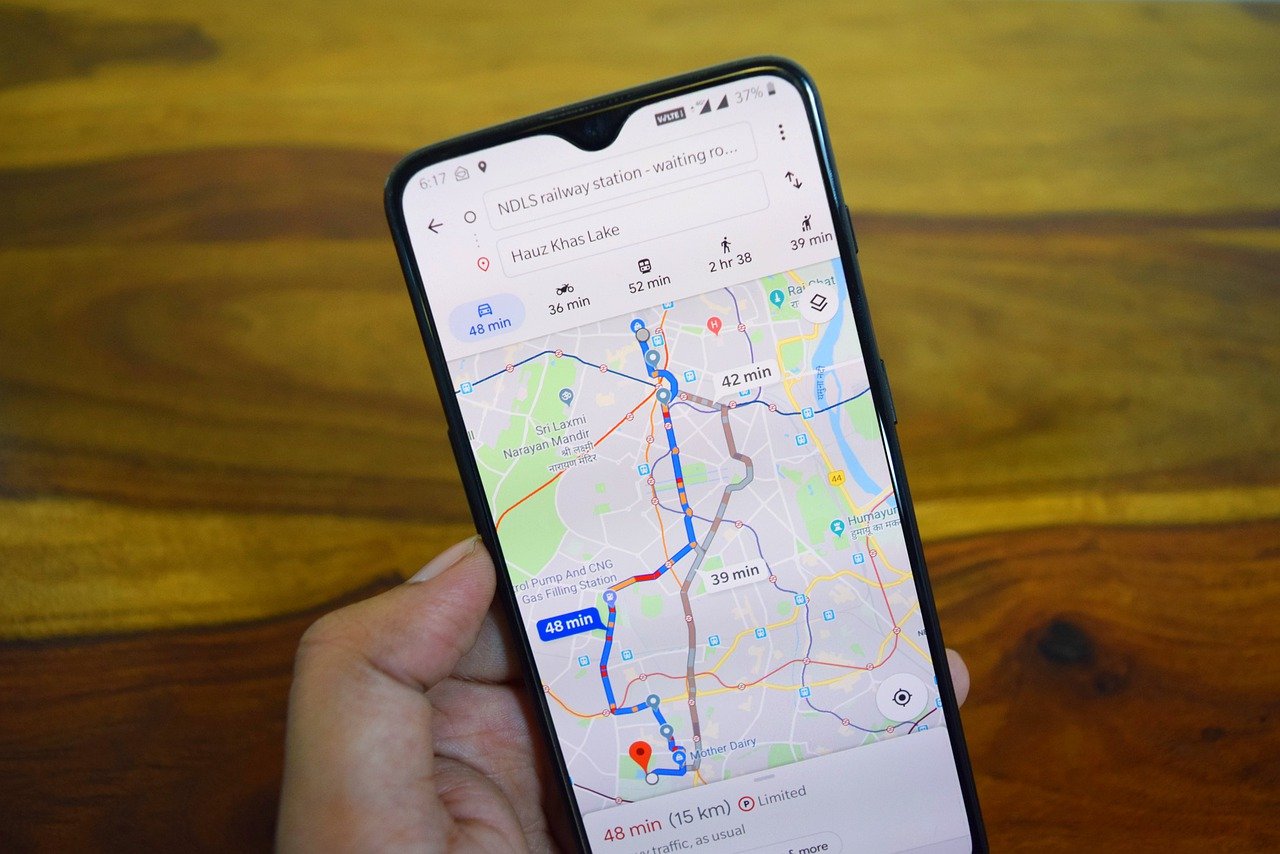
    Maps and charts can be useful, whether they are online or on paper. To be helpful, these types of documents need to have a lot of information, including street names, land formations, and much more.

    Someone has to collect that information and put it together in a form that people can use. Geographic information systems (GIS) specialists collect the information needed for maps and charts and then put it together in a way that people can understand and use. If you like small details and interesting facts, you might want to consider this career.

    Think about the different types of maps that you have at home or school. You might have a globe showing the whole world, a map of Canada, and a map of your province or city. Each one shows a different level of detail. Some are political maps, showing countries and cities, while others are topographical, showing mountains, hills, and streams.

    Charts usually show information that is useful for a particular field, such as shipping. Without the information from these documents, getting to an unfamiliar destination would be difficult.

    GIS specialists gather that information and decide how to put it together into a form that people can use. They might gather the information themselves or get others to gather it for them. The information could include rivers and streams, hills, buildings, streets, and much more. The job sometimes involves going out to gather the information, but much of the work is indoors, working with computers and analyzing data.

    GIS specialists can work in universities, government departments, geographic organizations, and even tourism departments. Annual salaries start at about $43,000 and can rise to $81,000 with experience. Many employers ask for at least an associate’s or bachelor’s degree in a field such as geography or environmental science. However, GIS certificate or diploma programs are also available in much of Canada. Usually, the degrees take at least three years to complete, and the certificate or diploma courses are shorter.

    Not all GIS programs are the same, and students should be sure to check out what courses are available in each one. In high school, courses in geography and mathematics are useful, as well as statistics if possible. Making maps easy to read and pleasant to look at is also important, and it can be helpful to take courses in graphic design or art.

    Generally, the work of a GIS specialist involves working alone some of the time, but also working with others. Most parts of the world already have maps or charts about them, and people in this field spend a lot of time updating or correcting work that has already been done. Annual city maps, for example, would not need to be completely redone. There might just be a few new streets or housing developments that need to be added. If a map is very old, however, the GIS specialist might need to redo large parts of it to make it accurate. Consulting with colleagues can help make these decisions easier.

    Working as a geographic information specialist is a good choice for people who are precise and enjoy details. It could be a good choice for you.


    Bibliography:

    Academic Invest. “How to Become a Geographic Information Systems (GIS) Specialist.” https://www.academicinvest.com/science-careers/science-careers/geography-careers/how-to-become-a-geographic-information-systems-gis-specialist.

    GIS Geography. “A List of College GIS Certificate Programs in Canada.” https://gisgeography.com/college-gis-certificate-programs-list-canada/.

    Job Bank. “Geographic Information Systems (GIS) Technician in Canada.” https://www.jobbank.gc.ca/marketreport/outlook-occupation/3493/ca.

    Ontario Colleges.ca. “Geographic Information Systems (GIS).” https://www.ontariocolleges.ca/en/programs/energy-environmental-and-natural-resources/geographic-information-systems-gis.

    PayScale Canada. “Geographic Information Systems Specialist.” https://www.payscale.com/research/CA/Job=Geographic_Information_Systems_(GIS)_Specialist/Salary.

  • Career Profile: Foresters

    Career Profile: Foresters

    Hiking in a forest can be fun, but not if a fire is burning or a disease has killed many of the trees. Forests are important for Canada, not just for recreation, but also for producing the wood that we need for furniture, houses, and many products that we use regularly. Forests are also important for the environment, helping to regulate the climate and produce the oxygen we need to breathe. The job of forester is important for many reasons. If you choose this career, you will have an important role in your community and all of Canada.

    Foresters are like professional caretakers of a forest. Especially in the first few years, much of the job is outdoors. It can involve taking samples of bark or of the leaves of plants, checking for insect activity and looking for evidence of animals, and then taking the information back for analysis. During the seasons when forest fires are common, it might involve setting up controlled burns in certain areas to keep the fire from spreading farther.

    Once foresters have collected the information, they often go back to a lab to analyze what they have found. The outdoor work can be physically difficult as people need to walk and hike in all kinds of weather, and some people might prefer the research aspect of the role. In large organizations, foresters can divide the work so that the younger and healthier people do much of the outdoor labour. However, all foresters should be prepared to be outside for at least some of the time.

    Some of a forester’s tasks are uncomplicated, and people in this field can occasionally start out with a high school education with some courses in subjects like biology and chemistry. Usually, however, people need to have at least a bachelor’s degree in science or a related field with courses in forestry. Alberta, British Columbia, New Brunswick, Ontario, and Quebec all have universities with this specialty, including six in BC: University of British Columbia, Royal Roads University, Simon Fraser University, Thompson River University, University of Northern British Columbia, and Vancouver Island University. Some colleges also have programs in the technical aspects of forestry, and some people take both types of courses.

    The ability to take and analyze information is important in this job. After a forest fire or disease has gone through an area, or loggers have cut down some trees, foresters need to decide what types of trees would work best in the area. They need to know about soil and how different plants grow. For the best results, they also need to study lakes, streams, rainfall patterns, animal activity, and more. Research and constant learning are important in this job.

    Often, foresters’ work is related to universities or governments, but they might sometimes work for private companies or even do contract work for local groups. Currently, job prospects are quite good, especially for people who are willing to move north or to other areas where the forests are. Annual salaries start at about $42,000 and can rise to $94,000 or more with experience. If you would like to help preserve an important Canadian resource, this could be the job for you.


    Bibliography:

    AG Careers. “Forester.” https://www.agcareers.com/career-profiles/forester.cfm.

    Bouw, Brenda. “I want to be a forester. What will my salary be?” https://www.theglobeandmail.com/report-on-business/careers/career-advice/i-want-to-be-a-forester-what-will-my-salary-be/article17117602.

    Canadian Forests. “Universities & Colleges.” https://www.canadian-forests.com/universities-colleges.html.

    Career Planner. “Forester.” https://job-descriptions.careerplanner.com/Foresters.cfm.

    PayScale Canada. “Average Forester Salary in Canada.” https://www.payscale.com/research/CA/Job=Forester/Salary.

  • Career Profile: Film Director

    Career Profile: Film Director

    Films can be fun or educational to watch, but a lot of work goes into making them. Many people are involved, including actors, camera crew, and more. The person who helps everything come together is the director. If you want an important role in entertaining or educating people and can work under pressure with a variety of individuals, the job of a film director could be right for you.

    Most movies and films have a storyline, whether it is a romance, an action movie, or a documentary about polar bears. For the film to make sense, its parts need to fit together in a way that watchers can understand. Directors decide how they want the story to flow. They plan the scenes that they want as part of the program, and they decide on the order of the segments and say what should be added or taken out.

    Directors normally work closely with the practical aspects of filming. They choose people to play in the various roles and decide on scenery, costumes, and more. When the filming starts, they tell people what to do and decide where they should stand, walk, or sit. They decide when the scene needs extra people in it and when the main actors are enough. Directors need to have a clear idea of the flow of action they want, since the scenes are often filmed out of order and put together later.

    Working as a director is not normally physically demanding, but it can be very mentally tiring. Often, directors will be on a movie set for hours and then go back to the production room and spend more time looking at the film and deciding what to keep and what to redo. The days can be very long before, during, and after filming. Even after finishing the film, directors spend time marketing it and often need to travel to different cities to talk to audiences and others who might be interested.

    Although educational requirements in this field vary, most directors have a bachelor’s degree in an area like film studies with some studies in production. Most universities have degrees in this field, and cities like Toronto or Vancouver have the best opportunities for connecting with others in the movie industry.  Many directors have also worked in acting, editing, or writing.

    Being able to tell a story is important for film directors, but understanding the visual aspects is also essential. Even in a documentary, directors need to find the best pictures to go with the story, whether it is about an animal or a point in history. Directors sometimes work with people who might not have much experience in acting, and they should be able to know what is helpful and what is not.

    Depending on their experience, directors can earn between about $66,000 and $108,000 per year. Although the COVID-19 pandemic has reduced the amount of work available, people can still find jobs in this field, especially in major cities. If you enjoy the arts and like working with people, this could be the right career for you.


    Bibliography:

    Careers in Film. “Director.” https://www.careersinfilm/film-director/.

    Government of Alberta. “Film Director.” https://alis.alberta.ca/occinfo/occupations-in-alberta/occupation-profiles/film-director/.

    Learn.org. “Film Director: Job Duties, Career Outlook and Education Requirements.” https://learn.org/articles/Film_Director_Job_Duties_Career_Outlook_and_Education_Requirements.html.

    PayScale Canada. “Film Director: Salary.” https://www.payscale.com/research/CA/Job=Film_Director/Salary.

  • Benefits and Challenges of a Solitary Job

    Benefits and Challenges of a Solitary Job

    Over the past year since the pandemic started, many people have struggled to find ways to connect with each other and to work alone from home. While this was a large change for many people, I was already in a solitary job, which has made this time easier for me than it has been for others. Working in a job that involves being alone much of the time has many advantages, especially now, but it also has disadvantages that I have had to try to overcome.

    Some jobs are naturally more solitary than others. Computer programmers, designers, and artists, for example, tend to work best when they are alone. The same is true for the type of writing that I do. Much of my work involves researching topics from traffic laws to career options to animals like beavers and eagles.

    With the wide range of topics and writing for audiences ranging from grade 3 to adults, I need to be able to control my environment. Being around people in this situation would likely be more of a distraction than a help, and so it is best to work alone if possible. Having the chance to work without interruptions from other people is useful, especially when a deadline is upcoming.

    Another advantage of working alone is the chance to arrange my work for times when it suits me. I can work late at night or early in the morning, depending on my schedule and anything unexpected that might come up. I can control the work and decide when and how much to do. I make the final decisions on what the process of writing will be.

    However, that independence can also be difficult. Each article is intended for a specific purpose, and I have to fulfill my employers’ wishes. My solitary job means that I have sole responsibility to finish all of the articles on time and to fulfill what each employer wants. If I am delayed for any reason, even illness, I still have to get the work done.

    Even with the pressure of having all of the responsibility to get the work done properly, my solitary job has been an advantage during the pandemic. Working from home means that my chances of catching COVID-19 from anyone else are limited. I was already working alone and knew how to plan my day and arrange my work.

    That independence can be a challenge when other personal interactions are limited. With no one to talk to at work, I need to be sure to find other ways of connecting with people.

    Like others during this time, I need to balance the solitude of my job with the need for connections with people. Every job has its challenges. In the pandemic and beyond, the goal is to balance the advantages and disadvantages to have the best experience possible.

    Whether in a lockdown or during a time when all of society is open, a solitary job is not suitable for everyone. For people who can handle its challenges, however, this type of work can give them the stability and flexibility they need to thrive.


    Bibliography:

    Murphy, Mark. “2 Interview Questions To Test If Job Candidates Can Handle Working Remotely.” https://www.forbes.com/sites/markmurphy/2017/11/26/2-interview-questions-to-test-if-job-candidates-can-handle-working-remotely/.

    Reddy, Chitra. “Top 20 Advantages and Disadvantages of Working Individually.” https://content.wisestep.com/top-advantages-and-disadvantages-of-working-individually/.

  • Tips for Saving Money During Lockdown, and After

    Tips for Saving Money During Lockdown, and After

    2020 was a difficult year for many of us, with lockdowns, quarantine periods, and restrictions on socializing taking place all across Canada.  With nearly all events, activities, and social gatherings cancelled, most of us had little to do which in many cases meant we were suddenly spending a lot less money.

    However, due to the uncertainty of employment for people who were put on layoff due to the pandemic, many people also began deliberately working to cut their expenses and save money.  While the motivation might have come from pandemic-related uncertainty, having sensible budgeting and spending practices is always a good idea, and there are lots of money-saving strategies you can start during lockdown that will be just as useful after the pandemic.

    Regularly Put Money in Your Savings Account

    You should be doing this one anyway, but it’s always a solid financial strategy to put some of each paycheque into your savings account, even if it is only a little bit each month.  This is important for more than just the uncertainty of the pandemic, but should be a regular part of your budget so that you always have a financial cushion in case of emergencies and unexpected expenses, or to save for college or university.

    Shop Smart, and Limit Online Purchases

    The pandemic has seen a huge surge in online shopping, and for many the expansion of online purchasing options was a vital part of ensuring people in lockdown could get groceries, medicine, and other essentials.  But it is easy to fall into the habit of over-shopping online, especially in many cases during lockdown where people are stuck at home with nothing to do, and no activities to spend their money on.

    To save money, be mindful of your online shopping and be sure you are not buying out of boredom, or buying things you don’t need and won’t use.  Consider each purchase not only in terms of price, but in terms of usefulness.  For the things you do need to buy, you can wait for sales or coupon codes.  Some bulk buying can be beneficial, but watch that you avoid spending money on bulk purchases that aren’t necessary, or aren’t as good a deal as they sound.

    You can also consider buying previously-owned things such as clothing, books and games, electronics, and many other items, which will cost you less than buying new.  While many thrift shops are closed during lockdown, there are plenty of online trade and marketplace groups, and the habit of buying previously-owned goods will remain useful as a money-saver after the pandemic is over.

    Evaluate Your Subscriptions and Memberships

    Many services, especially online ones, have moved to a monthly subscription model over the last decade.  While this makes many of these services more accessible to customers, when you are trying to cut down on costs all these small monthly fees can really add up.  During the pandemic, you should assess your subscriptions and memberships to determine if there are any that you’re currently unable to use, and either pause or cancel them to save on the cost.  While subscriptions to gaming or streaming services might still be worthwhile during lockdown for entertainment and online socializing, the membership to your gym might not be so essential right now.

    This strategy is equally useful outside of a pandemic situation, and you should always consider whether you are getting enough use out of a subscription service to make it worth the cost each month.

    Find Low-Cost Ways to Socialize

    Another money-saving strategy that is good for anytime is finding free or low-cost activities when you want to socialize.  During lockdown, socializing has been limited to video calls and physically-distanced activities in many places, but there are lots of low-cost ways to socialize with friends that will translate just as well into cost-effective activities after the pandemic is over.

    For example, instead of going to the movie theatre, have a movie night at home with friends and snacks.  Or you can play board games or video games online with friends.  Learning new hobbies is also an option, as well as seeking out free programming and events from your local library, community center, school, or museum.

    Cook More; Eat Out and Take Out Less

    During the pandemic, many people have been cooking more for themselves at home, rather than going out to dinner or ordering delivery.  Cooking your own food and snacks is almost always healthier, and less expensive, than ordering take out or visiting a restaurant.  Once physical distancing restrictions have eased after the pandemic, invite friends over for dinner instead of going out somewhere, and you can save money as well as show off your culinary skills.


    Sources

    https://ottawa.ctvnews.ca/seven-tips-to-reduce-spending-during-the-covid-19-pandemic-1.4943155

    https://www.themoneypages.com/saving-banking/eight-tips-help-save-money-lockdown/

    https://www.newschainonline.com/lifestyle/life/7-money-saving-tips-well-be-continuing-long-after-lockdown-over-54120

    https://www.goodhomesmagazine.com/inspiration/save-money-during-lockdown/

    https://www.theglobeandmail.com/investing/personal-finance/young-money/article-canadians-saving-more-amid-pandemic-gloom-as-lockdowns-put-a-chill-on/

  • The Effects of Masks on the Deaf Community

    The Effects of Masks on the Deaf Community

    By Maryam Sheikh

    One of the changes that has been brought about due to the pandemic is the requirement of face masks in public spaces. Though masks have significantly aided in reducing the transmission of the virus and protecting communities, they have also come with challenges – especially for those in the deaf and hard of hearing community.

    Many of us may feel as though masks are an inconvenience that hinder our ability to communicate. Unfortunately, those challenges are exacerbated for those who rely on lipreading as a form of communication.

    Masks can muffle and distort speech. They also prevent people from being able to pick up on social cues and context because facial expressions are unreadable. All of this can contribute to increased stress, anxiety, and fatigue from daily interactions. They can also lead to frustration and hopelessness – especially if a lack of communication results in misunderstandings or mistakes. Over time, this can manifest itself in increased feelings of isolation.

    So, how can we help address this issue? One of the most important actions to take involves spreading awareness of the problem. This helps people remember to be mindful of deaf individuals and utilize alternate strategies of communicating. The issue can be best understood by outlining the challenges faced in the medical field, the education system, and everyday interactions.

    In the healthcare industry, deaf individuals have suffered from poor health outcomes due to miscommunication. This can stem from inadequate assessment and insufficient follow-up procedures. This also presents itself as an issue with older patients who suffer from hearing loss. Thus, it can be helpful to shift to virtual consultations so that communication can be made easier.

    Currently, school is taking place both via in-person learning and online programming. As such, it’s important for educators and facilitators to be mindful of accommodations that deaf students may need. This can include hiring ASL (American Sign Language) interpreters, providing transcripts for lectures, and meeting with students to talk through any concerns.

    In everyday life, deaf individuals may struggle to communicate with cashiers and sales associates at stores due to loud background noises. This is why it is integral for frontline workers to understand that it may take a few tries to communicate – this will require patience. Workers can help deaf customers by removing their masks for short periods of time to speak (if it is safe to do so) while the customers keep their masks on. They can also use technology to communicate, if possible.

    Technology has certainly made it easier to tackle this problem. Now, there are many tools available that can facilitate live captioning for online content, as well as text transcription for in-person conversations. There’s also the option of utilizing whiteboards, notepads, and sticky notes to communicate through writing.

    Clear masks and transparent face shields are also part of the solution. There are many businesses that produce these items in bulk, but they can also be sourced from local shops and small businesses. However, it’s important to do a little bit of research and check that the PPE is up to local health and safety standards.

    Overall, empathy and awareness are key in beginning to solve this issue. If we are all more mindful of the challenges that individuals in our community face, we are more likely to come to solutions together. Stay safe and well!


    References

    https://www.bmj.com/content/370/bmj.m2683

    https://www.nationaldeafcenter.org/news/communicating-face-mask-what-colleges-need-know-deaf-students-and-everyone

  • Exercises for Small Spaces (Like Your Dorm)

    Exercises for Small Spaces (Like Your Dorm)

    Exercising should be part of everyone’s daily routine. Some people prefer to exercise at the gym, while others prefer to exercise in the comfort of their own homes. Not everyone has a large space to exercise in. If you’re someone who lives in a small space (like a dorm), here are some exercises just for you, along with an explanation for each!

    Remember to take your time to do each exercise carefully so you don’t hurt yourself. Start slowly and if you need to, look for pictures of videos online of the moves. Most importantly, listen to your body and don’t push yourself too hard!

    1. Calf Raises

    Start by standing up straight. Then, raise the heels of your feet and stand on the tips of your toes. Your feet should look like you slipped on a pair of heels. Afterward, lower the heels of your feet, returning to the starting position.

    1. Leg Raises

    Lie down on your back. Keep your legs straight and your feet together. You may place your arms above your head or keep them at your side. While keeping your legs straight and together, slowly raise them up and then back down.

    1. Jumping Jacks

    Stand up tall. Keep your feet together and your arms by your side. As you jump, kick your feet to the side and you raise your arms above your head. You should look like a standing starfish. Next, you jump once again but this time bringing your arms back down by your side and your feet together once again.

    1. Squats

    Stand straight with your feet apart and your toes facing forward. Your feet should be a little wider than hip-width. Bend your knees as if you are sitting on a chair. Your knees should be at about a 90-degree angle. Then, stand up and return to your starting position.

    1. Hip Lifts

    Lie down on your back and bend your knees, placing your feet on the ground. Your knees should be at least a good hip-distance apart. You could put your hands behind your head or keep them on your side. Then, raise your hips and lower them back to the starting position.

    1. Walkouts

    Begin by standing up straight with your feet apart. Then bend down forward and place your hands on the floor. Your hands should be in front of your feet. Put some weight onto your hands and walk them forward and then backward. Finally, stand up straight once again, keeping your feet apart.

    1. Wall Sits

    Find a wall and stand straight with your back against it. Then, pretend you are sitting on a chair and push your back up against the wall. You could keep your arms on your side or straight in front of you. As you remain in that position, you should feel the tension in your thighs.

    1. Lunges

    Stand up straight. Step forward with one foot and bend your knees. Your knees should be bent to about 90 degrees. Then, push yourself back up and return to your starting position. Alternate legs.

    1. Bicycles

    Lie down on your back. Keep your arms by your side or behind your head. With your legs, pretend you are peddling on a bike. If you’d like, you could find a partner to do this exercise with. All you have to do is place your feet against theirs and peddle together.

    1. High Knees

    Stand up straight with your feet hip-width apart. Next, begin jogging on the spot. While still jogging, try to lift your knee as close to your chest as you can.

    While doing these exercises, you should repeat the steps several times to benefit from each of them. After doing a number of repetitions, take a short break before starting another set. See if you can do two or three sets, with 10 to 20 repetitions for each set.

    If you had no idea which exercises you could do in a small space, now you have ten! No need to go all the way to the gym or find a bigger space to exercise in. When finished, you will feel just as good as if you were exercising in a larger area!


    Resources

    https://spoonuniversity.com/lifestyle/19-easy-exercises-to-do-in-your-dorm-room

    https://www.cosmopolitan.com/health-fitness/advice/a31281/ultimate-dorm-room-workout/

    https://www.campuslivingvillages.co.uk/12-exercise-moves-you-can-do-in-your-bedroom/

    https://classpass.com/movements/high-knees

    https://www.realsimple.com/health/fitness-exercise/workouts/squat-form