Author: Marianne Stephens

  • Meals You Should Know How to Make!

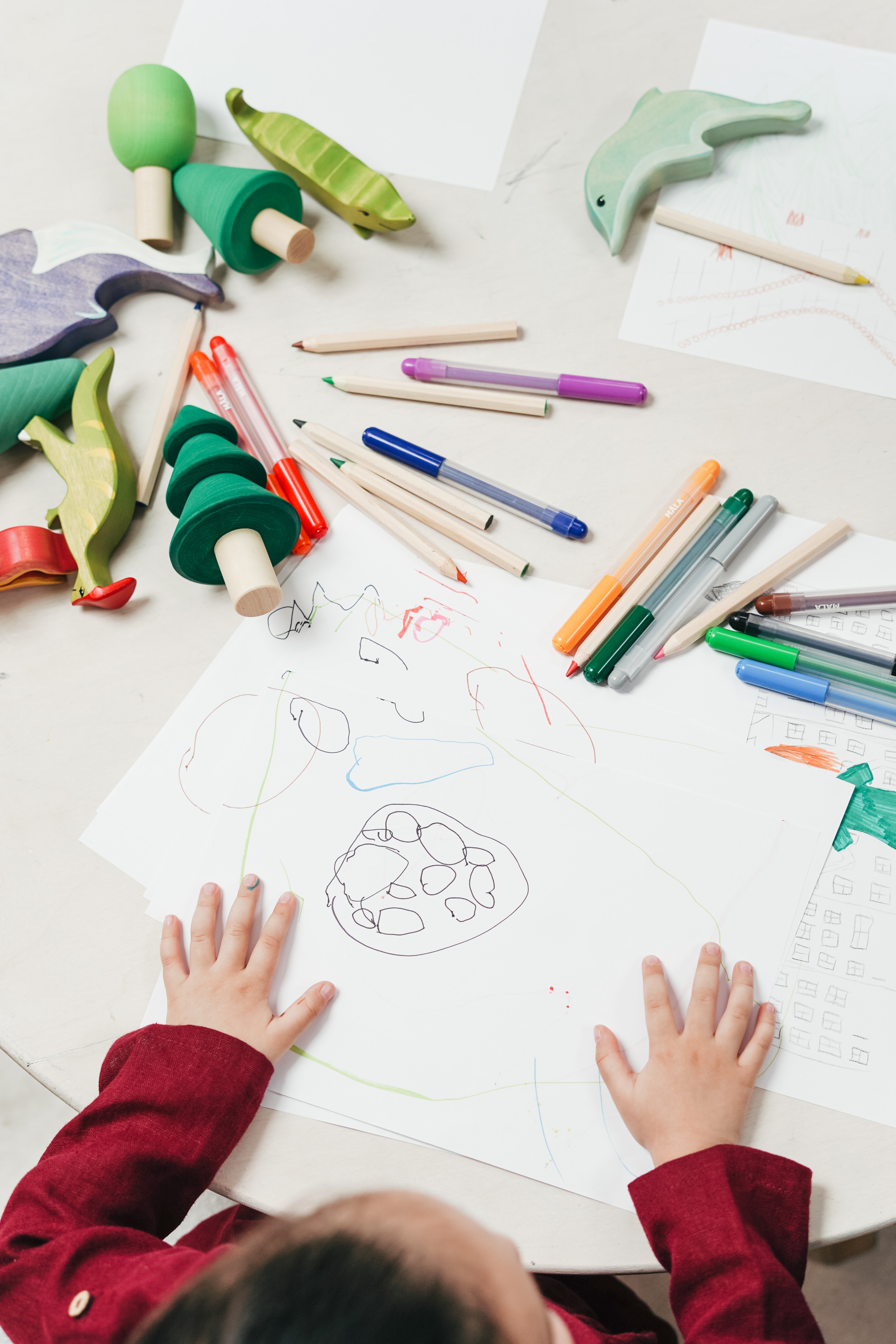
    What meals should you know how to make if you are a kid and only require an adult in the kitchen a little bit? You may have had some lessons from friends and family, or even taken some kind of a cooking class for kids. I’m assuming a very basic level here – if you have not touched an oven, please learn that somewhere else, because not all ovens or stoves are the same. I’m focusing on meals that are simple for a new cook, someone brand new to the idea of cooking for yourself.

    It’s a good idea to learn cooking as early as you are comfortable working with the pots, pans, utensils, and of course, the stove or oven.  You should have a parent or other adult close to you when you’re using the stove in particular, because it’s quite easy to hurt yourself if you go too fast or do something wrong.  Slow and steady works best. There is no rush to cooking, even if it seems like it. Mistakes happen all the time, and mistakes help you learn what not to do next time.

    Cooking your own food is often healthier than just buying fast food.  When you cook at home, you know exactly what’s going into it.  So, if you have a food allergy, you’ll be able to make sure what you’re allergic to doesn’t go into what you’re making.

    Start with simple things.  There are two basic items where ingredients can be purchased in bulk because they’re cheap. They are macaroni and cheese and instant ramen (or any other noodles). These items can be made at home. Preparing either of them is just a three-step process that involves what’s in the box, a handy pan that will fit the items needed, and boiling water. Not much else is needed. Simple and easy to make. Following the instructions on the bag of the pasta is step number one. Once you do it a few times, you can then start to alter recipes and add in new things to your dish.

    Soup is fantastic and flexible – you don’t have to stick with the same flavour all the time – you can switch it up a bit, from chicken noodle to beef stew to tomato soup. (It can also help you when you’re feeling particularly sick or in extremely cold weather to help warm you up.) There’s also rice, simple to cook and cheap as well, and you can also add other ingredients: from protein (like meat) to just plain vegetables.  It’s up to you; whatever you’re in the mood for.  Instant rice can be cooked in the microwave, but no matter what kind it is, it’s a great opportunity to experiment with different flavours and ingredients.

    Salad is super healthy as well, and can be made with one essential ingredient: lettuce. It doesn’t have to be a specific kind of lettuce, but with salad, you can add anything! You can add your favourite meat, chicken, pork, beef or bacon. Nothing is against the rules here: you can use what is on hand, and what might sound a little weird, but actually tastes delicious. Nuts, raisins, strange toppings such as potato chips, or even different fruits such as mango, blueberries, or other fruit can be added. You can also get some ideas from the internet, or course. Or, ask you parent or guardian what their favorite salad is!

    Finally, there’s the all-time classic: grilled cheese sandwiches. All you need is a frying pan, butter, a slice of cheese, and two pieces of bread. How you do it can vary according to your favourite method, since there are several versions, and the perfect grilled cheese sandwich is done the way you want it. You can add other things to it as well – but it requires some experiment and research (or trial and error, if you like).

    The basic method is:  butter on the outside, cheese on the inside, and fry them until ready. Flip a few times over back and forth so both sides get equal grilling time!

    Those meals are easy to make and not complicated– a small pan is about all you need. But then comes the biggest question; what happens after you have enjoyed your meal? The clean-up happens! Health and safety standards exist for a very good reason, to ensure that there are not many germs (if any) are not left on your dishes afterwards. Using a dishwasher can depend on the instructions, so consult your parents or guardians – they will help you understand how to load and start the dishwasher. But if you’re doing it the old-fashioned way through the sink, it follows a two-sink process. It may seem weird, but it’s all about disinfecting the dishes.

    The first sink is soapy and hot, ensuring that the germs are being killed. Soak the dish in question, one at a time (they can all be in the sink, just wash them one at a time) and scrub it with a sponge, making sure to scrub all of it – top, sides and bottom; and then soak it in the second sink, which will be clear and colder than the first sink. You can use the same sponge and do a quick clean, then hang them a on a dish rack for drying with a dish towel.

    Safety Tip: If you are using an electric frying pan, you can’t let the plug get wet.

    And that’s how easy it is to make a meal and clean your dishes afterwards. It’s important to stay healthy so that you can continue to enjoy the things you like- hanging with your friends, or playing sports. Being sick means that you shouldn’t cook, or you might pass it on to your friends.

    Of course, the best part of all of this was that you got to cook your favourite meal, instead of having other people do it. There is a certain pride that comes with cooking your own food. And, if you grow it, it gets even better!

  • How to Prepare for a Trades Apprenticeship After Highschool

    How to Prepare for a Trades Apprenticeship After Highschool

    Are you planning to apprentice in a trade after graduation?  If that’s your goal, it’s a good idea to start organizing yourself during your highschool years to make sure that you have everything you need to transition smoothly from school into your training.

    Choose Your Trade

    Before you can start an apprenticeship, you need to know which trade you want to pursue.  Apprenticeships are available for most trades, so whether you’re interested in becoming an auto mechanic, hairstylist, chef, dental hygienist, or something else, you can find an apprenticeship.

    If you haven’t chosen a trade, explore different trades online to see which ones might fit with your interests and skills.  Your high school’s guidance counsellor will also be able to provide you with information on different trades and help you decide which path will suit you the best.  Your high school will also help you arrange a co-op placement with a local business, which gives you the opportunity to try working in a specific trade to see if you find it interesting and enjoyable enough to do as your full-time career.

    Do Your Research

    Once you choose your trade, it’s time to learn everything you need to know about completing an apprenticeship for that trade.  There are lots of places to look for this information, including your guidance counsellor, your province’s youth employment website, and with the local and national organizations for your chosen trade.  You can also speak with someone you know who works in a trade that interests you, so they can share what it’s like to work in that trade.

    Use this research to get familiar with the requirements of your trade, including which high school credits you need, which skills or abilities you should have, and what the employment options are once you are finished with your apprenticeship.

    Some questions you should answer include:

    • Do you need any previous work experience, or specific high school course credits?
    • What are the main skills and strengths this trade requires?
    • What are the potential salary earnings in this trade?
    • Where are tradespeople in your trade employed; for example, as independent contractors, or with large companies.
    • Are their local opportunities for your apprenticeship, or will you need to relocate to a different town or city?
    • Are there scholarships or grants available to cover the costs of courses and tools?
    • What is required for the apprenticeship application process
    • Arrange What You Need For Your Apprenticeship Application

    Once you know your future trade inside and out, it’s time to make sure you have everything you need to apply to your apprenticeship.

    If you are still in high school, first make sure you are taking credits that support the skills required for your apprenticeship.  There are a number of industries that have associated Specialist High Skills Majors available for high school students, which includes a bundle of 8-10 credits and co-op placements geared toward preparing students to work in a specific industry.

    It is also possible to start on your apprenticeship path through the Ontario Youth Apprenticeship Program.  This program helps connect students in grades 11 and 12 with work placements that count as co-operative education credits toward your diploma.  These give you the chance to begin your hands-on training while still finishing school, and can be a pipeline to a full-time apprenticeship after graduation.

    You need to find a sponsor who will lead your apprenticeship training.  This can be an individual, such as an independent contractor, or a company who will then assign you to a team or mentor who will train you.  If you participate in a co-op and plan to continue that trade, there’s a good chance your co-op placement will be willing to take you on as an apprentice.  If you need to find a sponsor, the guidance counsellors, government job banks and employment offices, unions and trade associations, and career fairs are all resources you can use to find an employment sponsor.

    Sources:

    https://www.ontario.ca/page/prepare-apprenticeship

    https://careersintrades.ca/whats-an-apprenticeship/youth-apprenticeship-programs/

    http://www.skillsontario.com/pathways-to-apprenticeship/

    http://www.edu.gov.on.ca/morestudentsuccess/SHSM.html

  • Work Where You Want: Outdoor versus Indoor Trades

    Work Where You Want: Outdoor versus Indoor Trades

    By the time you’re deciding on a trades career, chances are you have a good idea whether you prefer working outdoors, or indoors.  Since there is a broad range of trades available across all sectors, whether you’re an indoor or outdoor you will be able to find a trade that suits you.

    Trades are divided into four main sectors: Construction, Industrial, Motive Power, and Service.  Each of these sectors contains dozens of trades, and a mix of indoor and outdoor trades.

    Construction Sector

    The word construction brings to mind constructing buildings, but the construction sector contains many different specific trades both indoors and outdoors, and some that are a combination.

    Many trades in the construction sector involve work that is almost entirely done indoors and out of the elements, working inside partially or entirely completed houses, commercial buildings, and industrial buildings.  These include plumbers, electricians, installers of drywall and flooring, sprinkler system installers and pipefitters, to name a few.

    Outdoors trades in the construction sector range from crane operators and heavy equipment operators for trucks, bulldozers, and backhoes, to hands-on trades such as bricklaying and stonemasonry, installing and finishing concrete, and working as roofers and shinglers,

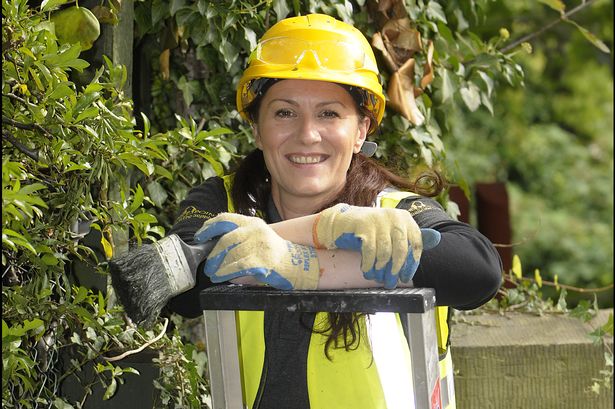
    There are also a handful of construction trades that can have work both indoors and outdoors, depending on the job or the company you work for.  These include glaziers installing external windows or internal glass and mirrors, carpenters building interior walls and doorways or decks and railings outdoors, and painters both inside and outside residential, commercial, and industrial buildings.

    Industrial Sector

    Trades in the industrial sector are often within industrial buildings or factories–but not always.  There are also many outdoor industrial trades.

    Many of the indoor trades in the industrial sector involve work inside manufacturing plants and involve operating industrial machinery, such as CNC operators, tool and die makers, draftspersons, welders, industrial electricians, and machinists.   Cabinetmakers, elevator mechanics, and locksmiths are industrial trades that often occur on site, such as building and installing cabinetry in a commercial building, performing maintenance on an elevator in an apartment or highrise, or installing, repairing and changing locks both inside and outside buildings.

    Some of the outdoor industrial trades include working at train yards as a railway car technician, inspecting and repairing power lines as an electrical power line and cables technician, transporting goods as a tractor-trailer driver, or working various trades related to quarrying and mining.

    Motive Power Sector

    The motive power sector of the trades encompasses those trades that have to do with motors, and spans multiple industries from agricultural to automotive to transportation.  Most motive power trades involve working mostly indoors, with the possibility of occasional outdoor work depending on the job or company.

    These indoor motive power trades include automotive mechanics, auto body maintenance and repair and automotive painters, as well as  heavy duty equipment mechanics who work on large engines such as those found in buses and tractor-trailers, or agriculture tractors and combines, as a few examples.

    Motive power trades which may include some outdoor work are marine engine mechanics, agricultural equipment mechanics, and heavy duty equipment mechanics who may be required to service and repair equipment outdoors on site at ports or docks, farms, mines or quarries, and construction sites.

    Service Sector

    Lastly, the service trades sector includes trades that involve working directly with the public to offer services to customers.  While it’s easy to think service trades will all take place indoors, there are also a variety of outdoor service trades.

    Indoor service trades include educational sector jobs such as early childhood educators, child and youth workers, and educational assistants, as well as  Aboriginal child development practitioners. There are also various food service trades such as cooks, chefs, bakers, and butchers. Artisans and craftspeople, including Aboriginal clothing and crafts, jewelry and watch repair, and goldsmiths all require clean indoor workspaces. Hairstylists and barbers operate exclusively indoors, as well, as do IT technical support and customer service technicians. Special events coordinators will work mostly indoors, but may have outdoor work for events that are held outdoors.

    A few of the outdoor service sector trades are agricultural herdspeople for dairy and swine, arborists and landscapers working in residential, commercial, and public parks to plant and maintain trees and greenspaces, and horse grooms and other animal care workers.

    Sources:

    https://www.ontario.ca/page/list-skilled-trades-ontario

    https://fastbc.org/skilled-trades/

    https://www.theworkingcentre.org/types-trades/393

  • Career Profile: Drywall finisher and Plasterer

    Career Profile: Drywall finisher and Plasterer

    If you look at the walls of your house or apartment, you see paint or wallpaper. Have you ever looked behind the surface? If your home is like most buildings in Canada, it has drywall covering the surfaces between the rooms and spaces between walls. If you are strong and you enjoy working with your hands, becoming a drywall finisher and plasterer could be a good career choice.

    Drywall finishers and plasterers work in the construction industry. Often, they work for building companies, but they can also set up their own businesses and help with repairing or restoring homes or small buildings. Generally, people in this trade work regular hours, but sometimes, they might have to work late to finish a project. Often, people in this trade work with construction companies, but they can also work as private contractors. In that case, they also should be able to work with accounting, ordering supplies, and possibly hiring assistants.

    Much of the work of drywall finishers and plasterers is indoors, but the job still depends on the construction season, which tends to be very busy in summer but quiet in winter. Large cities tend to have much more work than small towns, although work can be available anywhere. Saskatchewan, British Columbia, and Nova Scotia recently had the most jobs in this trade, but the COVID-19 pandemic might change that.

    Salaries for drywall finishers and plasterers start at about $24,000 and can rise to $69,000. Graduation from high school and completion of an apprenticeship are normally necessary for getting into this trade. Certification is required in Quebec and is available but voluntary in most other parts of the country.

    Most apprenticeships last about four years and include both classroom studies and on-the-job training. Apprentices learn to tape and finish drywall, using various tools to smooth off the surfaces and the rough edges. They apply plaster to walls and repair existing plaster if necessary. They also learn how to form decorative shapes with the plaster and to restore anything that is broken, chipped, or crumbling.

    Working as a drywall finisher and plasterer requires many different skills. Both mathematical ability and creativity are useful for this job. Installing the drywall involves measuring and cutting, often calculating the amounts necessary for the job. Some people in this field might do only the finishing and plastering work while letting others install the drywall, but being able to do all parts of the job is helpful.

    Even before finishing high school, you can start to prepare for work as a drywall finisher and plasterer. Mathematics courses are good for learning how to calculate amounts of materials you need, and shops classes are very useful for learning the practical skills necessary for the job. Taking English courses is also a good choice, since people in this trade need to be able to read instructions or to explain procedures to other workers.

    Every construction job has its dangers because of the nature of the work. Drywall finishers and plasterers can be injured by the tools they use and the dust they breathe in, but this trade is normally less dangerous than many other jobs in the construction industry. If the tasks appeal to you, why not consider this trade? It could be ideal for you.

    Bibliography:

    Careers in Construction. “Plasterer/Drywall Installer and Finisher/Lather.” https://www.careersinconstruction.ca/en/career/plastererdrywall-installer-and-finisherlather.

    Job Bank. “Drywall Installer and Finisher Apprentice near Toronto (ON).” https://www.jobbank.gc.ca/marketreport/outlook-occupation/21540/22437.

    Red Seal. “Drywall Finisher and Plasterer.” http://www.red-seal.ca/trades/dryw.1ll_pl.1st.2r-eng.html.

    Statistics Canada. “7284—Plasterers, Drywall Installers and Finishers and Lathers.” https://www23.statcan.gc.ca/imdb/p3VD.pl?CLV=4&CPV=7284&CST=01012011&CVD=122376&Function=getVD&MLV=4&TVD=122372.

  • Keep Yourself Financially Afloat During COVID-19

    Keep Yourself Financially Afloat During COVID-19

    The COVID-19 pandemic has many people justifiably worried. We have to consider our own health, the safety of the elderly and vulnerable, and the path forward in a very uncertain time. Nevertheless, a very urgent concern is also a familiar one: money. The pandemic has resulted in record levels of job loss and economic uncertainty. People are losing their income and savings without knowing when they will get them back. It is more important than ever to think about your finances. There are steps you can take to help lessen this impact and keep yourself afloat during this time.

    Many companies find themselves facing an uncertain future without the regular flow of customers. This has resulted in numerous workers being laid off or having reduced hours. Canadians find themselves in a situation where they are without income but still have bills, rent, or a mortgage to pay. The Canada Emergency Response Benefit is one program designed to help, providing up to $2,000 monthly to those who lost work due to the pandemic. Employment Insurance is also still available. Additional benefits are being offered to businesses to help keep them afloat and their employees paid.

    Investments and stocks have plummeted, impacting retirement funds and savings accounts across the country. Instead of withdrawing from these funds, Canadians strapped for cash can first turn to a line of credit and take advantage of low interest rates for a short-term loan. With current interest rates, people are more likely to take on brief loans to cover cashflow issues. This means tenants can negotiate with their landlord to have their rent payments deferred. Homeowners can request mortgage payment deferrals from the bank; this may result in additional interest, but this is nowhere near as problematic as failing to make a mortgage payment. Even credit card companies, notorious for their high interest, are offering forms of relief to customers such as reduced rates.

    This is also the time to look at your own budget. The very nature of social distancing means more time at home, which entails less eating out and other activities that add up. Take the time to review your expenditures and decide what you can do without for the next while. Streaming services like Netflix are perfect for nights at home. But you might not need many of them, and can even share some accounts with family and friends to help them save. Take advantage of coupons and sales at the supermarket. It is great to support local businesses by getting take out or going to their websites, but limit it to what you can afford. Refrain from the temptation of excessive online shopping while stuck at home.

    Widespread unemployment, decreased consumerism, and nosediving investments have all led to many people losing money during the COVID-19 pandemic. But you are not left without options! Take a look at government programs, deferred payments, and cost-saving measures that can help you and your family. By knowing the types of support that are available, you can try to ensure that money is not a major concern at this time. With one less worry off your plate, you can focus on time with loved ones and getting through this together.

    Sources:

    Friend, David. “Suddenly strapped for cash: Financial advisers on dealing with COVID-19 fallout.” CTV News. https://www.ctvnews.ca/health/coronavirus/suddenly-strapped-for-cash-financial-advisers-on-dealing-with-covid-19-fallout-1.4876280

    Pope, Amanda. “Canadians will make and lose money amid the coronavirus outbreak: expert.” Global News. https://globalnews.ca/news/6655962/coronavirus-finances/

    Robinson, Andrew. “People need to budget for COVID-19 pandemic, financial management experts warn.” The Telegram. https://www.thetelegram.com/news/local/people-need-to-budget-for-covid-19-pandemic-financial-management-experts-warn-435505/

  • How Students Are Dealing with Financial Obligations in the Time of COVID-19

    How Students Are Dealing with Financial Obligations in the Time of COVID-19

    Change is an inevitable part of life, but perhaps nothing has changed us so drastically like COVID-19, which has brought terrible effects on a global scale. And when there’s something as big as the virus that affects every aspect of our lives, you might start to loose hope for anything good ahead.

    The same is true for students in Canada who were in the midst of their much-needed March break when the virus was declared as a pandemic in mid-March, thereby thwarting their plans. Before March, students were busy studying for their mid-terms and completing their papers. And while a few might welcome the respite that the virus has brought to their learning, most are already thinking ahead and worrying how their finances will take a hit given that the summer jobs they’re looking forward to will likely not happen. It’s estimated that at least one million Canadians between the ages of 15 and 24 have a summer job, and this year, there will be far fewer opportunities for them.

    So the big question on their minds is how will they be able to pay for their tuition and student loans?

    The Federal Government Steps In

    The government was quick to respond to workers and employees who were affected by COVID-19 and allocated a budget for them to receive either Employment Insurance (EI) or the Canada Emergency Response Benefit (CERB). This relief fund is further boosted by the increase in the GST/HST for those who are in middle-income or low-income range. The government also worked hard to reach out to major banks and mortgage companies to suggest easing up on interest rates for homeowners, as well as landlords to holding off on giving out eviction notices. There is more work to be done to help citizens, but this is a start.

    Meanwhile, students will be provided a reprieve when it comes to their loans, although this plan has plenty of room for improvement. Last March 18, it was announced that student loan payments are suspended during the COVID-19 crisis and that they will be automatically enrolled into the six-month loan holiday program. However, this solution does not address provincial or territorial payments to private financial institutions, so it was up to provincial and territorial governments whether to follow suit or not and so far, British Columbia, Manitoba, and Ontario have chosen to.

    More assistance

    Getting a six-month breathing space to pay off student loans is a big help, but there are some who think the government can do a lot more, like Rob Gillezeau, an economics professor at the University of Victoria. He believes that the government can extend the qualifications for CERB so that more students become eligible for it. The Prime Minister has said that there will be a fund for students coming soon, so check out the CRA.ca website to find out more.

    Others believe that government relief measures such as the CERB shouldn’t be strictly tied to previous employment so that more students can qualify for it.

    How exactly would that pan out for students remains to be seen. However, it seems like things are at least off to a good start as the government recognizes that there is still much to be done.

    Looking ahead

    All students, whether post-secondary or not, should learn how to be more financially savvy regardless of whether there’s a pandemic or not. This means noting all expenses on a spreadsheet to better track where they are. Treating yourself is tempting whether for a tropical getaway or a fancy watch, it’s always wise to save for a rainy day. Cutting down on indulgences will really go far in the long run.

    Higher learning comes with the responsibility of financial expenses. Accepting this responsibility and making an effort to save money will be rewarding in the end.

    SOURCES:

    https://www.nationalobserver.com/2020/04/06/features/graduates-lose-placements-face-tough-summer-job-market-due-covid-19

    https://www.theglobeandmail.com/business/economy/article-many-students-shut-out-of-covid-19-benefits-raising-financial/

    https://www.cbc.ca/news/politics/covid-19-coronavirus-pandemic-student-loans-1.5502179

  • The Repercussions of Social Distancing

    The Repercussions of Social Distancing

    By Erin Rebello

    Although social distancing is crucial to slowing the spread of the virus, it’s important to recognize that it does have a multitude of societal repercussions. Humans, by nature, are social beings, and as a result social distancing can take a toll on everyone. Our society is constructed upon the notion that we are meant to work together and cooperate, but with restrictions getting tighter and tighter, the very foundation of our society seems to be collapsing.

    One of the major negatives of social distancing is the impacts of a poorer learning experience for students. While some students thrive with online school and are able to successfully complete assignments and meet deadlines, others simply cannot. Some students (myself included) work best when a teacher is available to explain concepts and answer questions, but that simply isn’t the case with current measures. Other students require the physical setting of school to properly focus. Yet other students have individual educational needs and depend on support staff to gain a proper education. The fact is, online school simply isn’t adequate for every student.

    Another major negative of social distancing is the mental health repercussions. Many people gain joy from interacting with their friends, but that simply isn’t possible in the same way anymore. Although skype and phone calls can be great alternatives, they certainly don’t replace meeting someone in person. As a result, it’s easy to feel lonely and let negative thoughts creep in. As well, some people come from households that are unsupportive and abusive, and being quarantined with family may take a huge toll on their mental health. If you or a friend you know are in this position, know that there are people who want to help you. If you need someone to talk to you can call Kids Help Phone at 1-800-668-6868, and if you are in immediate crisis, you can call the Canada Suicide Prevension Service at 1-833-456-4566. It’s also important to note that although you may feel fine, your friends might not, so it’s good to check up on them every now and then.

    Beyond mental and educational repercussions, social distancing also has repercussions in terms of physical health. With the lockdowns in place, it’s just about impossible to get outside without breaking the rules of social distancing. All parks and gyms are closed, and it really isn’t safe to be in public areas anymore. Although some people have a backyard they can work out in, others live in cramped apartments with no room to stay fit, resulting in a sedentary lifestyle. As well, the current situation is a very stressful time, resulting in some people overconsuming due to stress, aka stress eating. Even for those who aren’t stressed, it’s easy to overeat when you’re bored and have nothing to do, which is the case for a lot of people who are stuck at home. Also, chances are that if you’re overeating, you’re not eating healthy food . A lack of exercise combined with an excess of unhealthy food can result in poor health habits that last for years and cause a multitude of health problems down the line.

    Overall, social distancing poses many threats to society as we know it. This protective measure impacts society negatively in terms of mental health, education, and physical health. While it can be fun to stay home and play video games all day, there’s a reason that we don’t practice social distance unless it’s absolutely necessary. That being said, it’s important to follow the lead of governments and epidemiologists and take the laws of social distancing seriously. Although there are many negatives, specialists have made it very clear that the pros outweigh the cons, and that for society to be able to recover from this pandemic, we need to practice safe and proper social distancing.

  • School Days during Social Distancing- Getting Organized!

    School Days during Social Distancing- Getting Organized!

    By Maryam Sheikh

    The spread of COVID-19 has resulted in unsettling times. With a lot of changes to our social life, work, and school life, it can be confusing to navigate. Many students have shifted to distance learning which requires habit changes and schedule shifts.

    In this article, I will outline some tips to help you stay focused and productive during this time.

    When social distancing first began, I started struggling with keeping a good sleep schedule. Suddenly given unlimited hours to sleep in, I went to bed later and woke up later as a result. I quickly realized that this was unsustainable and definitely felt like I could make more out of the days when I woke up earlier.

    My advice for organizing school days is keeping them balanced. I advise waking up around the same time you usually would on a school day and finishing schoolwork early so that you can enjoy the rest of the day. If you have parents or other family members working or studying from home, you can plan to wake up at the same time and eat a healthy breakfast together. This way, you have a source of motivation and can be held accountable for your habits.

    After a good meal, check the schoolwork you have been assigned for the day. Make a quick goal list of tasks you want to accomplish, and put it up in your workspace. If it is possible, find a quiet area in your home to work and limit distractions. This can mean turning your device off to avoid checking notifications or falling off track because of games.

    Online learning requires you to be more independent than usual, so if you are struggling to grasp concepts or complete work, be sure to contact your teachers for clarification and support. Use the support networks you have available such as family, friends, and classmates. I also find it helpful to watch videos to help my understanding of topics. Khan Academy is a great free resource to use- it has videos, discussion forums, and practise problems to complete.

    In between completing assignments and learning new material, be sure to take breaks to allow yourself to process the information. Fit in some daily exercise, pause to hop on a phone call with a friend, or give yourself half an hour to read a book.

    Overall, while these times have resulted in many changes, they are also an opportunity to build good work habits in preparation for the rest of high school or post-secondary education. In university and college, you generally only have a few classes a day and are left with a lot of time to get your assignments done while balancing work, extra-curricular activities, sports, and other commitments. Try to take advantage of the extra time to build self-discipline and focus!

    While following a schedule is important in maintaining good habits, it is also extremely important to keep physical and mental health in mind. These times are confusing and challenging for everyone, so be sure to talk about your emotions and feelings with people you trust.

  • Mind-Body-Soul; How to Keep Your Spirits Up

    Mind-Body-Soul; How to Keep Your Spirits Up

    Ever since the World Health Organization declared the new COVID-19 outbreak to be a global pandemic, businesses have been closing down and worries may have increased. It is important to remember to take care of yourself, especially during this time. When taking care of yourself, three things should be kept in mind: your mind, your body, and your “soul”. The health and wellness of all three should be cared for and balanced.

    1. Put your mind at ease

    During this time of stress, you should remember to rest your mind. There are several things you could do to ease your mind.

    You could turn off your phone or leave it in another room. Your phone gives you so much access to news from all over the world. It can be mentally draining. You do not need to read every single headline about the pandemic. This can cause unnecessary anxiety, sleeping problems, and maybe even eye disorders. Help out your mind and disconnect from the web for a while.

    Another option is meditating. Meditation has been around for thousands of years in many cultures and religions. Meditation can help with sleep, lowering blood pressure, and help with age-related memory loss. A simple 10-15 minute meditation session can really help center you. There are guides online to help you through your meditation if needed.

    You could also keep a journal to document your thoughts and emotions. It is a good way to express yourself, especially during this rough time. You can write in your journal daily. Write whatever you may be thinking or feeling and don’t worry if it does not make any sense!

    1. Engage in physical activity

    Recently, the gyms have closed due to the pandemic. For this reason, some people may not have as much motivation to exercise. Exercising is very important and should be done, even if you do not have access to a gym.

    Exercising could be done right outside your house. You could also go for a walk or run around the block. If you do go outside to exercise, keep in mind to be cautious when coming in contact with other people.

    Another option is to simply exercise indoors. You could watch videos online and follow along. A tip is to use household items as weights if needed! Walking around your home is also beneficial.

    1. Eat healthy meals

    Since we are at home, it is much easier for us to eat all of our quarantine snacks in one sitting.

    If you enjoy cooking or would like to learn how to cook, there are several healthy meals out there for you to make.  You could find recipes online. If you’re courageous enough, you could even create your own recipe.

    If you do not feel like cooking your own meals you could always support your local restaurants. When making your order, be sure to pick healthier options, but you can treat yourself every once in a while!

    1. Find a New Hobby

    Recently, many of us have had a lot of free time. During this free time, you could find a new hobby.

    The number of hobbies out there is endless! You could learn a new language, learn how to sew, bake, and more!

    1. Communicate with friends and family

    Just because you are social distancing, does not mean that there is no other way to communicate with others. Humans need to socialize.

    If you are quarantined with others, find a way to build your relationship with them. It is nice to be able to bond with the people you live with.

    If you are quarantined on your own or you just want to talk to other people, you can simply call, text, or video chat. Catch up with someone you haven’t talked to in a while!

    These simple things help you keep your mind, body, and soul healthy. Take care of yourself this quarantine! Stay safe and stay healthy!

    Resources:

    https://www.doyou.com/25-simple-ways-to-balance-your-mind-body-and-soul-17694/

    https://www.tallahasseemagazine.com/5-ways-to-pursue-mind-body-and-spirit-health-during-quarantine/

    https://medium.com/live-your-life-on-purpose/how-to-keep-your-mind-and-body-sane-during-a-quarantine-eabad583aad2

    https://thriveglobal.com/stories/6-daily-habits-to-nourish-your-mind-body-and-spirit-during-the-quarantine/

  • How the COVID-19 Pandemic Will Change the World for the Differently Abled

    How the COVID-19 Pandemic Will Change the World for the Differently Abled

    Welcome to our new reality. As we continue our social distancing in a world brought to a halt by COVID-19, we must also look ahead. What will life be like afterwards? There is much discussion on elements of our current lifestyle that will carry on once the pandemic has past. This includes more working from home, increased social assistance for those in need, and greater steps taken to ensure safe socialization. This reframing of our day-to-day lives can great help differently abled individuals. The changes that will happen now and in the near future could have profound impacts on the lives of people who previously faced challenges to which we did not pay nearly enough attention.

    Many people have continued to work and hold meetings through teleconferencing during the pandemic. This allows employees to still complete much of the same tasks but from the comfort of their home or any location away from the office. Individuals with mobility limitations greatly benefit from opening up work opportunities. Those with sight issues, such as photosensitivity or the need for screen magnification, can rely on their ideal home setup for work. Advances in technology can be fully utilized and implemented wherever the people who need them will be located. In addition, businesses will greatly benefit from a much larger pool of workers they can rely on.

    The pandemic will also bring about major changes for those with invisible disabilities. Working from home offers much more flexibility in taking breaks that can alleviate stress for those coping with depression or other mental health issues. Those living with anxiety can take comfort in meetings done via teleconference without video, as well as not having to cope with the social dynamics of an office. Outside of work, people are rediscovering the joys and comfort of eschewing a busy schedule and spending more time at home. This benefits those with social anxiety and others who struggle with the hectic nature of the modern world.

    COVID-19 could very well be an accelerator of the future of work. Artificial intelligence and automation have been poised to completely revolutionize how we define careers and how we live out our day-to-day lives. Companies are now embracing modern technology more than ever. The government programs being implemented to help the current situation, such as the Canada Emergency Response Benefit, are paving the way for ideas such as Universal Basic Income. All of this will lead to more opportunities for those with physical and mental disabilities. Freed from the trappings of a traditional 9-to-5 job, people will be able to work how and when they want. This allows us to socialize and explore hobbies at our own pace as well. The differently abled will be in a far more advantageous position.

    Those with physical and mental disabilities face many hurdles. The COVID-19 pandemic is turning the world on its head and paving the way for drastic change. What does this mean for the differently abled? It could lead to more work from home opportunities, more robust government programs, and a change from lifestyles that neglected those with disabilities. Looking at the potential positive impacts of the pandemic can not only help us stay optimistic, but also strive towards making that better world a reality.

    Sources:

    Kaufman, Jonathan. “Mindset Matters: Invisible Disabilities And The Future Of Work In The Era Of COVID-19.” Forbes. https://www.forbes.com/sites/jonathankaufman/2020/03/23/mindset-matters-invisible-disabilities-and-the-future-of-work-in-the-era-of-covid-19/#3a18b5219e45

    Lestoc, Costea. “COVID-19 Is Preparing Workplaces For A More Accessible Future.” Technology Market Corporation. https://www.tmcnet.com/topics/articles/2020/04/02/444995-covid-19-preparing-workplaces-a-more-accessible-future.htm

    Pasqua, Marco. “How COVID-19 is Changing Remote Work for People with Disabilities.” Rick Hansen Foundation. https://www.rickhansen.com/news-stories/blog/how-covid-19-changing-remote-work-people-disabilities