Author: Patrick Start

  • Career Profile: CNC Machinist

    Career Profile: CNC Machinist

    Computer Numeric Control, more commonly known as CNC emerged during the 1940s and 50s. In its simplest form, it is the usage of a computer to create and machine a design with machine tools. CNC machines can control lathes, routers, grinders and mills[1]

    The entire process is done through a computer using numeric equations and using the x, y, z axis[2]. Here, the computer can make precise cuts based on what the operator has set. Additionally it can repeat as many cuts as you would like. This makes it easy to duplicate templates than manually machining a replica. It also saves time while limiting the number of potential inaccuracies.

    CNC is widely used by machinists. It is used to manufacture complex templates, fixtures and designs like crown molding. The cost of equipment is very expensive but has dropped since it has become more publicly available.[3]

    CNC is incorporated into the more broad trade of tool and die making. Sheridan college offers a course included CNC programming and mechanical drafting[4]. It prepares students for careers in the machine industry. Students should have good math skills and be excellent with problem solving and reading drafts.

    Typically, CNC machinists make approximately $14-30 per hour. Companies are in demand for CNC machinists as manually machining has been come less common with the emersion of CNC operated equipment. Automotive companies are constantly using CNC machines for productions of their vehicles and vehicle accessories.

    If you enjoy manufacturing and computers and want to be part of a major industry in demand, give CNC machining a shot and see how rewarding this career can be!

    Sources:

    [1] http://www.thomasnet.com/about/cnc-machining-45330503.html

    [2] http://www.technologystudent.com/cam/cnccut1.html

    [3] http://www.mmsonline.com/columns/different-company-types-have-different-cnc-needs

    [4] https://www.sheridancollege.ca/academics/programs-and-courses/mechanical-techniques-tool-and-die-maker.aspx

  • Trades Programs for Women Across Canada

    Trades Programs for Women Across Canada

    Well, I can’t pretend that I don’t know women have it… a little more difficult than men when it comes to pretty much anything. When you’re trying to earn your diploma in the trades it can be even more difficult. But, JPD is here to help women in their respective fields, find programs that are right for them.

    YWCA Toronto offers a lot of great programs for women in the trades. YWCA Toronto offers a 34-week program in partnership with George Brown College. This free training program is for women interested in becoming a residential air conditioning systems, mechanic and gas technician. The programs offer things like better hours, higher pay, and a chance for self-employment. Women 16 and older are eligible to apply.

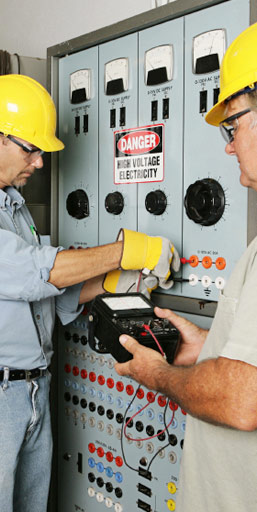
    There are also programs available for electricians. This particular one is in partnership with Centennial College for a 33-week program. You learn things like job readiness, training in refrigeration and air conditioning, and an 8-week work placement when you’re all done with the program.

    Mohawk College offers programs for women as well, not to mention they include several facts on their web page discussing women’s roles in trades: “Shortages in skilled trades have forced industry to think differently about who they can attract, retain and promote within the skilled trades. This change of view has been able to provide an abundance of opportunities for women who are considering skilled trades careers.”

    Obviously, women’s programs are not just sequestered in Ontario. British Columbia’s Okanagan College Women in Trades Training offers tons of opportunities for women to learn about the trades. They have the chance to learn about plumbing, welding, sheet metal, and automotive, among other things.

    Saskatchewan Polytechnic gives women the opportunity to attend specific sessions for carpentry (repairing holes in and applying sheath to drywall, framing walls), basic tasks in electrical and plumbing trades, and welding (cleaning, cutting tools, learning to weld steel).

    Women Building Futures is another great tool for female students to use as a source of empowerment and information, but also for application deadlines. The articles offered on their site range from Aboriginal women talking about their role in construction and local employers who are working to make a difference for women in the workplace.

    Nova Scotia Advisory Council on The Status of Women provides women with information on lots of programs readily available for them to apply to. Programs like Techsploration, Webgrrls International, and Women in Global Science and Technology are all linked on their main site so female students can look at which ones interest them.

    The time for women to “prove” themselves ended a long time ago. Women are just as valuable as men in any trade and now, it’s easier than ever for women to enter programs and become whatever they want to.

  • Career Profile: Elevator Installer

    Career Profile: Elevator Installer

    Every day, people in tall buildings go up or down in elevators. How often do they think about the people who make it possible to ride to their offices or apartments in comfort, instead of using the stairs? Without the work of elevator installers, skyscrapers and other tall buildings would never be useful for people.

    Elevators are easy for people to use but can be difficult to install. Workers in this field need to understand mathematics and science so that they can make calculations and know the basics of how machines work.

    For example, if elevator installers know the physics behind pulleys and other tools for raising heavy objects, they can have a better understanding of how elevators work. Knowing how much stress the materials can take before they crack is also useful for deciding when to replace parts on the elevator or to reinforce them for extra strength. Courses in metal and wood shop work can give people the background and experience that they need for this work.

    After getting a basic education in mathematics and the sciences, elevator installers normally complete their learning through apprenticeships. In a good apprenticeship, experienced elevator installers help the newcomers to learn their work on the job, by personally showing them the processes.

    Over a period of about four years, apprentices learn how to read blueprints and how to apply physics to their work. They also learn about electricity and the theory of electronics, and when they know the basics, they learn complicated processes such as installing wiring. Many people in this field do repairs as well as installation of elevators, and they have to know how to find and fix problems when elevators are not running well. This part of the job might involve some evening and weekend hours, since breakdowns can happen at any time.

    Besides installing elevators, some people in this trade work with other machines. Escalators, for example, are common in large stores and malls, and they work on many of the same principles as elevators. Some restaurants also have dumbwaiters, which are like small elevators for carrying dishes and food from one floor to another. Elevator installers sometimes work with both of these kinds of machines, which might require special knowledge and skills.

    Wages for elevator installers can vary, depending on where they live and what kinds of skills they have. In Canada, the average hourly rate is $37.00 per hour, but it can start much lower than that. However, with experience and skill, elevator installers can earn a good living.

    Generally, elevator installers should be good with their hands, work well on their own without supervision, and have enough strength and stamina to work with mechanisms that can sometimes be heavy and hard to use. Does that describe you? If so, you might want to consider learning to work as an elevator operator.

    Bibliography:

    Careers.org. “Occupation Profile for Elevator Installers and Repairers.” http://www.careers.org/occupations/47-4021.00/elevator-installers-and-repairers.

    Payscale.com. “Hourly Rate for Industry: Elevator Installation.” http://www.payscale.com/research/CA/Industry=Elevator_Installation/Hourly_Rate

    Salary.com. “Elevator Installer/Repairer Job Description.” http://swz.salary.com/SalaryWizard/Elevator-Installer-Repairer-Job-Description.aspx.

    Salary.com. “Elevator Installer/Repairer Salaries.” http://www1.salary.com/Elevator-Installer-Repairer-salary.html.


  • Lending a Helping Hand: Learning Disabilities

    Lending a Helping Hand: Learning Disabilities

    A learning disability is a general term used to identify a variety of learning problems. Many students are affected by learning disabilities, and this can have a great impact on their educational experiences.

    Having a learning disability does not at all mean that a student is unintelligent or lazy. Instead, it is likely that the student just perceives things differently, or the way that they learn and acquire information is different from others. There is nothing wrong with this—it is to do with a difference in brain activity and it is not a question of some students being “worth” more than others.

    There are many different types of learning disabilities that can affect any part of the educational process. For example, a common condition, dyslexia, causes difficulties for students when reading. Dyslexic students may have difficulty with clearly distinguishing between letters or words, understanding ideas in written passages, or gathering a complex vocabulary.

    Similarly, dyscalculia is a learning disability that has to do with numbers, sequences, and mathematical concepts. Students with dyscalculia may have trouble with memorizing number sequences, distinguishing between operations, or organizing calculations in a logical way. Other conditions that could cause difficulties for students include ADD/ADHD and visual or auditory impairments.

    These are just two examples of learning disabilities—in fact, there are many more conditions that can affect a student’s learning process. Knowing this, it is important to provide students with learning disabilities with resources and support so that they can reach their full potential when learning. It is crucial that all students have the opportunity to learn at their own pace, on their own terms, and in a way that suits their individual needs. In this way, no student is left behind.

    There are resources available to students with learning disabilities within the educational network. Guidance counselors, social workers, and youth psychologists are professionals to contact in order to determine the solution that works best for the student in question. An open line of communication between the teacher and the family is also crucial: it is important that the teacher knows about the student’s learning disability and takes steps to be inclusive and engaging.

    There are also many organizations and online resources that are dedicated to helping individuals with learning disabilities. The Learning Disabilities Association of Canada (http://www.ldac-acta.ca/) has excellent information on their website, and they provide a variety of services across Canada, in person (with offices in 10 provinces and 1 territory), as well as online. Furthermore, LD OnLine (http://www.ldonline.org/index.php), as the leading website on learning disabilities, disorders, and differences, provides extensive information and resources for all types of conditions that could affect a student’s educational progress.

    Finally, as an individual, it is important to be compassionate, understanding, and accommodating towards these students. Whether or not you are affected by a disability yourself, you must recognize the importance of treating others with respect, and ensuring that everyone has a fair opportunity to succeed, and feels part of the community.

    Sources:

    http://www.helpguide.org/articles/learning-disabilities/learning-disabilities-and-disorders.htm

    http://www.ldac-acta.ca/

    http://www.ldonline.org/index.php

  • The Competitive Nature of Scholarships: Some Tips on How to Deal

    The Competitive Nature of Scholarships: Some Tips on How to Deal

    When you hear the word “scholarships”, what is the first thing that comes to your mind? Money? Reward? Work? How about competition? Some scholarships you don’t need to compete against others, but most of the time, you do. That can be an intimidating thought. There are many different types of scholarships out there. Some are related to sports, academia, the arts, and social activism. Applying for a scholarship in any case is a time to show your best self, proving that you are a worthy candidate for the goods in store. This means going above and beyond your usual work ethic.

    If you are applying for sports scholarships, you may already have that natural competitive nature about you-this is a good thing. Scholarship applications can be time consuming and stressful. Scholarship interviews are even more taxing. You can think of it as being interviewed for a job, and there are tons of other people wanting that same job, too.

    The bottom line when it comes to applying for scholarships is that you can only do the best you can, and also hope for the best result. Don’t give yourself more anxiety than you have to- this might even hinder your chances.

    Basic tips and things to remember:

    • Make sure you give yourself LOTS of time to fill out the application form. This way, if you think of something more you want/need to add to the application, you have enough time to do it.
    • Make sure you have a few other people in your circle check out your application form, making sure everything is in the right place. One small mistake could cost you the scholarship.
    • Think out of the box. Some scholarships call for more creativity than others, so don’t be afraid to inquire about the scholarship and see if you can add something a bit extra on your application, or present in your interview.
    • Practice your interview skills. If you will be meeting with the people giving the scholarship, make sure you are chilled-out and ready to blow them away. People can sense anxiety when someone walks in the room, so take deep breaths, do meditation or “leader posing” before you enter the room. This will make you feel strong!
    • If you are applying for a big scholarship that looks over your whole high-school or college history, make sure you examine or write down all your achievements and see what else you can improve on, before you apply. Adding to your curricular repertoire will always help you in the end. So, beef it up!
    • Volunteer, volunteer, volunteer.
    • Don’t tell anyone you are applying to a specific scholarship. This may be a bit secretive or sneaky, but as soon as you tell your friends or other students, they might apply themselves and you will be in direct competition with them. It is really up to you, but this is where that competitive thinking must come into play.

    Don’t let the competitive nature of scholarships scare you; let it fuel you! Bring out your fierce and dedicated nature and you might be surprised by the results. When you hear athletes speak about competing in the Olympics, you may notice that they never doubt themselves before their competition- they MUST win. Apply that attitude and you might just beat the competition and win your just reward.

    –

  • August 2015 Scholarships: Apply Now!

    August 2015 Scholarships: Apply Now!

    Scholarship Listings Provided by http://www.studentscholarships.org/
    Aboriginal Education Partnership Program

    Scholarship Value: $20,000

    Awards Available: 1

    Award Deadline: August 15, 2015

    In 1995 Alberta-Pacific established an Aboriginal Education Partnership Program. This scholarship provides full tuition to the recipient for his or her attendance at a post-secondary institution to a maximum of five years for a university program and three years for a college or technical institute program.

    The Aboriginal Education Partnership Program offers an innovative approach for corporate support of Aboriginal students. Alberta-Pacific enters into a partnership agreement with a successful applicant each year to provide mentorship and support. Consideration is given to those candidates who meet the necessary criteria and demonstrate a positive attitude, indication of performance, financial need and potential in their educational goal.

    For further information regarding this program, or to obtain an application, please contact us at (780) 525-8000 or 1-800-661-5210, or by fax at (780) 525-8423. Completed applications must be received by Aug 15th.


    Maritime Affairs Scholarship

    Scholarship Value: $2,000

    Awards Available: 2

    Award Deadline: August 14, 2015

    These scholarships are intended to assist with tuition and may not be awarded where the Government provides free tuition eg. enrolment in the Canadian Forces, acceptance at the Canadian Coast Guard College, or by grant covering the cost of tuition.

    Please follow link for application details and requirements:

    http://www.studentscholarships.org/scholarship/7047/maritime_affairs_scholarship_scholarship.php


    Charmaine Letourneau Scholarship

    Scholarship Value: $1,500

    Awards Available: 1

    Award Deadline: August 31, 2015

    An educator and Deaf advocate, Charmaine Letourneau received the Order of Canada in 2001 in recognition of her work in improving the quality of life for Deaf people.

    Please follow link for application details and requirements:

    http://www.studentscholarships.org/scholarship/83/charmaine_letourneau_scholarship_scholarship.php


    Vectorworks Design Scholarship

    Scholarship Value: $10,000

    Awards Available: 1

    Award Deadline: August 31, 2015

    The scholarship supports the next generation of creative potential on two levels. Round one winners will move on to compete for the grand prize, The Richard Diehl Award, in round two. Plus, entering is simple. Submit your best work and answer three short questions by August 31, 2015.

    Please follow link for application details and requirements:

    http://www.studentscholarships.org/scholarship/83/charmaine_letourneau_scholarship_scholarship.php


    SBHANA SCHOLARSHIP

    Scholarship Value: $1,000

    Awards Available: 2

    Award Deadline: August 31, 2015

    The SBHANA offers two post-secondary scholarships each year to students who have spina bifida and/or hydrocephalus

    Applicants must provide confirmation of spina bifida and/or hydrocephalus by a medical professional; be a Canadian citizen for at least two years; have a home address in north of Red Deer, the NWT, or Red Deer; and be accepted in a post-secondary institution. Applicants must also be, or become a current member of the SBHANA.

    Candidates are required to submit a letter of reference from a previous teacher or administrator (applicants who have been out of high school one or more years submit a letter from a recent employer or supervisor), an official Alberta Education or most recent post-secondary transcript, and a letter from the candidate stating his or her eligibility, community involvement, and plans for the future.

    Please follow link for more details:

    http://www.studentscholarships.org/scholarship/6977/sbhana_scholarship_scholarship.php


    CUPE Alberta Scholarship

    Scholarship Value: $1,000

    Awards Available: 1

    Award Deadline: September 1, 2015

    One scholarship not exceeding $1000.00, maintained from the General Revenue account of the Division, may be awarded each calendar year for assistance to a CUPE member of an affiliated Alberta local in good standing with CUPE Alberta Division to attend Labour College.

    Please follow the link for more details:

    http://www.studentscholarships.org/scholarship/6971/cupe_alberta_scholarship_scholarship.php

     

  • Le cinéma et le changement social

    Des films et des documentaires qui inspirent :

    The monde est plein de personnes et d’organisations remarquables, dédiées à faire une différence au sein de leur communauté. Si vous avez vos propres aspirations pour améliorer votre communauté, il est important de s’informer sur les genres de travaux qui se passent dans le monde à l’heure actuelle. Ceci se fait en lisant des journaux et des revues, de plus que faire des recherches sur les organisations qui vous intéressent le plus.

    Par contre, le cinéma peut également servir comme un excellent intermédiaire pour communiquer des messages sociaux. Bien que plusieurs films sont « inspirés » par des histoires vraies et ne sont pas 100 % vrais, ils sont quand même une manière amusante et accessible de découvrir le monde du bénévolat, du travail communautaire et de la justice sociale de ses propres yeux.

    Afin d’inspirer vos propres idées pour améliorer votre communauté, voici quelques films et documentaires qui portent sur le thème du changement social.

    Gandhi (1982, réalisé par Richard Attenborough)

    Le film Gandhi suit l’histoire du célèbre avocat Mohandas Karamchand Gandhi (maintenant connu à travers le monde sous le nom de Mahatma Gandhi). Le film focalise sur son travail incroyable à travers la révolution non violente contre les autorités coloniales britanniques en Inde. Le film porte aussi une attention importante sur la révolution elle-même, plutôt que de fournir des détails approfondis sur le passé de Ganhdi.

    Douze hommes en colère (1957, realisé par Sidney Lumet)

    Un film classique qui porte sur la criminalité, les peines, et la véritable signification du concept de la justice, Douze home en colère met en vedette un jury dans une salle de délibérations, qui tentent de décider du verdict pour un procès criminel. Le film explore les thèmes de la partialité et des préjugés qui interfèrent avec la vraie administration de la justice — le racisme et le classisme, tels que mentionnés dans le film, ne sont que deux exemples des préjugés qui continuent à avoir un impact sur notre système judiciaire aujourd’hui.

    Harvey Milk (2008, réalisé par Gus Van Sant)

    Milk est un film biographique qui porte sur Harvey Milk, un vrai politicien américain et militant pour les droits civiques des homosexuels, qui est éventuellement devenu le premier agent public ouvertement homosexuel à être élu en Californie. Le film suit la lutte de Harvey Milk, à la fois en tant que politicien et représentant pour les droits des homosexuels, et les choses formidables qu’il a réussi à accomplir, en dépit de la homophobie répandue à travers les États-Unis dans les années 1980.

    Une vérité qui dérange (2006, réalisé par Davis Guggenheim)

    Considéré comme étant un des films sur l’environnement les plus importants de tous les temps, ce documentaire présente les efforts d’Al Gore, ancien vice-président des États-Unis, pour faire en sorte que les recherches troublantes relatives au réchauffement planétaire soient connues à travers le monde. Le film incite les spectateurs à arrêter de croire ceux qui rejettent les réclamations relatives à l’environnement, les qualifiant comme étant des « mythes », et à la place de faire des efforts afin de sauver ce qui reste de notre planète avant qu’il ne soit trop tard.

    Il est important de souligner que, même si certains de ces films ne sont pas récents, ils abordent des questions qui continuent à être pertinentes aujourd’hui. Les problèmes que ces films explorent sont loin d’être résolus, et cela prendra tous nos efforts afin d’assurer que nous continuons à faire des progrès loin dans l’avenir. Regardez-les, et soyez inspiré.

     Sources:

    http://www.onlineuniversities.com/blog/2011/05/15-fantastic-films-for-teaching-social-justice/

    http://www.imdb.com/title/tt0083987/

    http://www.imdb.com/title/tt0050083/

    http://www.imdb.com/title/tt1013753/

    http://www.imdb.com/title/tt0497116/?ref_=nv_sr_1

    http://www.takepart.com/an-inconvenient-truth/film

  • Les différentes façons d’apprendre

    LE TRAVAIL DE GROUPE! C’est une méthode populaire d’apprentissage et elle n’est pas pour disparaître. Par contre, le travail de groupe peut être l’une des choses les plus frustrantes de l’école. Parfois, il peut être difficile de travailler avec d’autres personnes, mais il y a une raison derrière cela. Il faut comprendre que tout le monde apprend et applique ce qu’ils ont appris de manières différentes.

    Les gens ont tendance à développer une manière d’apprendre qui leur convient à eux, et chaque manière a ses forces et ses faiblesses. Les différents styles d’apprentissage ont été classés dans L’Inventaire des styles d’apprentissage, développé par le psychologue en éducation David Kolb et ses collègues. Il a identifié quatre styles d’apprentissage qui correspondent avec les préférences et au comportement d’un individu face à l’apprentissage. Bien sûr que ces quatre styles ne sont pas les seules manières dont les personnes apprennent, mais ils offrent un système intéressant qui pourrait vous aider lorsque vous êtes pris encore une fois avec un autre projet de groupe.

    Les styles d’apprentissage de Kolb

    • Le convergent: Ces individus réussissent le mieux lorsqu’ils peuvent appliquer ce qu’ils ont appris de manière pratique. Ils aiment travailler avec les « si » et préfèrent traiter avec les choses plutôt que les personnes. Souvent, ces types d’apprenants choisiront de se spécialiser dans les domaines plus techniques comme l’ingénierie.
    • Le divergent: Les individus qui se trouvent dans cette catégorie d’apprentissage aiment analyser les scénarios compliqués sous différents angles. Ils peuvent tirer de leur imagination, leur empathie, et ils s’intéressent aux personnes. Souvent, ces types d’apprenants ont tendance à graviter vers les sciences humaines, et à entreprendre des carrières comme conseiller ou sociologue.
    • L’assimilateur: Les individus qui emploi ce style d’apprentissage sont très aptes à créer des modèles théoriques pour illustrer des problèmes. Comme les convergents, ce qui leur concerne est l’application pratique d’un modèle, par contre ils sont plus intéressés à s’assurer que la théorie correspond aux faits de manière logique. Ce style se rapporte plus aux caractéristiques des personnes en mathématiques ou en physique théorique.
    • L’accommodateur: Ici nous voyons des individus qui préfèrent apprendre par voie de la mise en application, souvent par essais et erreurs alors que les situations se produisent. Ils participent pleinement dans les nouvelles expériences, et si la théorie ne convient pas, ils la rejettent en faveur d’une nouvelle. Ce style d’apprentissage est souvent vu chez les gens qui entreprennent des carrières dans la vente, en marketing ou en tant qu’entrepreneur.

    Si vous examinez toutes les personnes dans le groupe auquel vous êtes assigné, vous retrouverez probablement chaque type d’apprenant. Est-ce qu’il y a quelqu’un qui aime se lancer dans une situation sans avoir de plan? Accommodateur! Et la personne qui joue le rôle de médiateur lors d’arguments, analysant les deux côtés de la situation? Divergent! À qui d’autre pouvez-vous penser qui correspondrait à ces styles d’apprentissage? Parfois, les gens peuvent faire partie de plus qu’une catégorie, ou même tous les quatre. Si c’est le cas, vous pouvez quand même identifier leur style dominant.

    En utilisant vos connaissances sur chaque style d’apprentissage, vous pourrez commencer à les appliquer lors de votre prochain projet de groupe. Peut-être que le divergent serait le mieux apte à faire du brainstorming et à prendre des notes. Et pourquoi pas assigner la tâche de présenter à l’accommodateur? Ceci n’est qu’un aperçu général de la théorie derrière les comportements en matière d’apprentissage, mais en ouvrant votre esprit à l’idée que tout le monde apprend à leur propre façon, vous pouvez commencer à comprendre comment mieux travailler avec les autres; une compétence qui vous servira tout au long de votre vie.

    Référence: The Art of Teaching Adults: How to Become an Exceptional Instructor and Facilitator by Peter Renner, 2005.

  • Profil de carrière: Foreurs de puits d’eau

    Tout le monde a besoin d’eau pour toutes sortes de raisons, telles que pour boire, pour prendre une douche, laver ses vêtements, et arroser ses plantes. Les gens qui vivent dans les villes obtiennent habituellement leur eau d’un système central qui pompe l’eau d’un lac ou d’une rivière, la purifie, et l’envoie à travers des tuyaux à nos maisons et commerces. Lorsque ces systèmes ne sont pas disponibles ou ne fonctionnent pas correctement, les gens obtiennent leur eau à partir de puits; et cela est quand les foreurs de puits d’eau peuvent venir en aide.

    La première étape dans le forage de puits est de trouver le meilleur endroit pour chercher de l’eau. Certains endroits pourraient être trop rocheux, ou le sol n’est peut-être pas bon, ou le niveau d’eau pourrait être trop bas. Le travail d’un foreur de puits d’eau est de connaître les endroits les plus idéaux pour trouver assez d’eau salubre afin d’effectuer des tests pour déterminer si l’endroit est propice ou non pour un puits.

    Après avoir trouvé un bon endroit, les foreurs de puits d’eau utilisent des grandes machines pour forer le puits et installer des pompes, en plus de d’autres équipements, qui servent à puiser l’eau du puits. Cette étape peut nécessiter beaucoup de connaissances et possiblement une certaine force physique si les foreurs doivent déplacer de l’équipement lourd. Dans les régions reculées où plusieurs machines ne sont pas disponibles, les foreurs pourraient même avoir besoin de la force physique pour faire de l’excavation avec des outils à main, tels que les pelles.

    Aucune éducation spéciale n’est requise pour devenir un foreur de puits d’eau, bien qu’il soit utile d’avoir des connaissances à l’égard du pétrole, des roches, et d’autres facteurs environnementaux. La plupart des gens qui pratiquent ce métier apprennent en cours d’emploi à travers les programmes d’apprentissage, et le travail auprès de foreurs expérimentés.

    Par contre, il peut être utile de suivre des cours en entretien d’équipement, ou des sujets qui portent sur l’environnement, afin d’avoir une meilleure compréhension du travail. Certaines connaissances en comptabilité est également utile afin d’estimer les coûts pour les clients, et de garder un suivi de leurs dépenses. De nombreux foreurs de puits d’eau sont des travailleurs indépendants, et peuvent avoir à apprendre les fondements de gérer sa propre petite entreprise et sur comment superviser d’autres travailleurs.

    La manière dont les foreurs de puits d’eau effectuent leur travail change avec la nouvelle technologie et les différentes conditions environnementales, mais le besoin élémentaire pour de l’eau signifie qu’il y aura toujours un besoin pour ce type de métier. Toutefois, si les gens dans ce domaine sont capables de transférer leurs compétences à un domaine similaire, comme l’extraction du pétrole et du gaz, cela leur aidera à trouver un emploi qui leur permettra de travailler à l’année longue.

    Les salaires pour les foreurs de puits d’eau peuvent être élevés, surtout après avoir acquis un certain niveau d’expérience. Généralement, les gens qui pratiquent ce métier débutent à environ 20$ par heure, et peuvent grimper jusqu’à 45$ par heure avec de l’expérience. Un grand nombre de foreurs de puits travaillent des heures relativement longues chaque semaine, et ils doivent être prêts à travailler dans toutes sortes de climats, mais aussi de vouloir interrompre le travail en cas de mauvais temps.

    Si vous décidez d’entreprendre une carrière en tant que foreur de puits d’eau, vous serez en mesure de bien gagner votre vie tout en aidant les autres à trouver quelque chose qui peut alimenter toute une communauté.

    Bibliographie:

    Alberta Learning Information Service. “Water Well Driller.” http://occinfo.alis.alberta.ca/occinfopreview/info/browse-occupations/occupation-profile.html?id=71003107.

    Careers.org. “Career Occupational Profile for: Water Well Driller.”

    http://www.careers.org/occupations/26025/water-well-driller

    Industry Training Authority. “Water Well Driller.” http://www.itabc.ca/program/water-well-driller.

    Payscale.com. “Driller Salary (Canada).”

    http://www.payscale.com/research/CA/Job=Driller/Hourly_Rate.

  • Profil de carrière: mécanicien de motocyclettes

    Si vous sortez dehors et vous promenez autour de votre quartier, vous verrez fort probablement plusieurs différents types de transports. Les autos et bicyclettes sont deux choix populaires, mais beaucoup de gens préfèrent conduire quelque chose qui est à mi-chemin entre les deux, telle qu’une motocyclette. Avez-vous déjà entendu parler d’un mécanicien de petits moteurs? Parfois les gens utilisent ce terme pour désigner les mécaniciens de motocyclettes, parce que la pluparts des autres mécaniciens travaillent avec des machines beaucoup plus grandes, comme les voitures ou les avions.

    Travailler à tire de mécanicien de motocyclettes implique assembler des motocyclettes, les entretenir et effectuer des réparations, et parfois restaurer des vieilles motos. Certains mécaniciens pourraient aussi travailler sur d’autres types de petits véhicules, tels que les véhicules tout-terrain (VTTs). Tous véhicules, autres que les bicyclettes, qui ont des commandes intégrées dans les guidons peuvent faire partie du travail d’un mécanicien de motocyclettes.

    Devenir un mécanicien de motos requiert une bonne coordination physique, une bonne capacité de saisir beaucoup de détails, et la capacité de manipuler des petits objets. Ce type de travail ne convient pas aux gens qui ont tendance à être maladroit et à échapper les choses, bien que pratiquer à travailler avec les différentes pièces d’une motocyclette peut aider. Vous pouvez déjà commencer à vous entraîner en démontant votre vélo et en le rassemblant ou, si possible, en travaillant sur un vieux moteur qui n’est plus utilisé. De cette façon, vous pouvez apprendre sur comment fonctionnent les machines aussitôt que possible.

    Une fois que vous avez terminé vos études secondaires, vous pouvez officiellement commencer votre formation pour devenir un vrai mécanicien de motocyclettes. Plusieurs programmes d’études sont disponibles à différents collèges d’enseignement professionnel au Canada, et certaines écoles offrent également des programmes d’enseignement à distance, qui permettent aux étudiants de suivre leurs cours à domicile. Certains employeurs pourraient aussi exiger que les mécaniciens complètent un programme d’apprentissage durant lequel ils travaillent auprès de personnes d’expérience qui peuvent leur apprendre quoi faire; ceci est fortement recommandé.

    Après que la période de formation soit terminée, les nouveaux mécaniciens peuvent trouver du travail par eux-mêmes en tant que travailleurs indépendants, ou chez les ateliers de réparations de véhicules. Dans plusieurs régions à travers le Canada, le travail a tendance à être saisonnier en raison du froid hivernal, mais il est probable qu’il y aura au moins certains travaux disponibles à l’année longue. Si vous envisagez de devenir un mécanicien de motocyclettes, il serait une bonne idée de trouver d’autres types de machines à réparer durant les mois les plus froids de l’année.

    Le salaire des mécaniciens de motocyclettes peut varier en fonction de l’endroit où ils travaillent et la quantité de travail qu’ils effectuent. Au Canada, le salaire horaire moyen est presque 21$ par heure, et la plupart des mécaniciens gagnent entre 30,000$ et 65,000$ par année. Avoir des connaissances sur les différents types de motocyclettes peut être utile, puisque ceci permettrait alors aux mécaniciens de travailler sur des machines fabriquées en Amérique du Nord, de plus qu’ailleurs dans le monde.

    Si vous aimez les motocyclettes et travailler avec de la machinerie, ceci pourrait être la carrière idéale pour vous!

     Bibliographie:

    Alberta Learning Information Service.” Occupational Profile Motorcycle Mechanic.”

    http://occinfo.alis.alberta.ca/occinfopreview/info/browse-occupations/occupation-profile.html?id=71003095.

    Career Opportunities.net. “Motorcycle Mechanic.”

    http://www.career-opportunities.net/career_profiles/motorcycle_mechanic.

    Enginecycle.ca. “Motorcycle Technical Training Schools—Canada.” http://www.enginecycle.ca/motorcycle-technical-training-schools-directory.

    Payscale.com. “Motorcycle Mechanic Salary.” http://www.payscale.com/research/CA/Job=Motorcycle_Mechanic/Hourly_Rate

    PCDI.com “Motorcycle Mechanics.” https://www.pcdi.ca/career-programs/motorcycle-mechanics/job-outlook/.