Author: Mackenzie Wall

  • Money Management

    Money Management

    If you are anything like me, you will often find yourself thinking, “Just one more small purchase won’t matter.” And if you’re even more like me, you will soon realize that maybe that small purchase did matter when you discover that your bank account is now empty. It would be silly to think that one small coffee made you broke, but when you figure out that maybe having one every day is a little excessive, you have the first step toward money management down: awareness.

    Take stock of your funds. Figure out how much you will earn each month, and write it down. Next, find a little notebook and start keeping track of everything you buy. Write down where you bought it, on which date, and how much you spent. This serves the purpose of telling you where all the money goes. It might even serve the extra purpose of telling you that you have a caffeine addiction, and maybe you should cut back a little. Starbucks four days in a row, five dollars each time? There are twenty dollars, gone. Kind of scary, isn’t it?

    Keep that spending diary for three months so that you can get a good idea for the average you spend on each kind of purchase. Doing so will then assist you to start making changes in your lifestyle: this is where you have to start limiting yourself and have self-control.

    Trust me; I know it is not easy to break a spending habit. When you do something so often that it becomes routine, breaking that routine throws off the rest of your day. That being said, it is now time to break out a coloured pen or highlighter. Circle or highlight every habitual purchase you made in the last three months, and calculate the total cost. Then think of how many hours it took to earn that money. A little sobering, right? Once you realize that your time equals money, it becomes a lot easier to make good decisions regarding your spending.

    Now that you have figured out what you can cut back on, it is time to make a budget. Figure out the main categories your purchases fall under. For some, those might be their cell phone bill, car payments and gas, entertainment such as movies, music, and video games, going out to eat, savings, and so on. Certain bills will always remain the same, such as car payments and your cell phone bill. Some put 10% of their entire paycheque into a savings account which they do not use under any circumstances. With everything else, though, allocate a certain percentage of your remaining funds to each category.

    For example: let’s say that you make $750 per month. 10% of that is $75 which goes into your savings. Your car insurance payment costs $100, so now you have $575. Your cell phone bill costs $50, and the remainder is $525. Now you can assign a percent to everything else. You may calculate it so that you have extra money left over for emergencies or unexpected nights out. As long as you never go over your allotted limits for each category, then you won’t find yourself with an unexpectedly empty bank account again.


  • Becoming a Pharmacist

    Becoming a Pharmacist

    Contrary to popular belief, there is more to pharmacy than just prescribing medication and administrating drugs. Pharmacists have a variety of responsibilities that range from providing dietary advice to patients and helping insurance companies develop pharmacy benefit packages. Pharmacists also need to provide information on the safe use of the drug as well as any side effects related to it. They are responsible for keeping detailed records of patients’ drug use and purchases. With this information, they can inform patients on any risks related to using multiple drugs at once. Beyond this, a pharmacist has the duty of closely monitoring their patients’ responses to certain drugs to see if the prescriptions are effective. Their background in chemical and biological science gives them excellent product knowledge and allows them to see if drugs are having their desired effects.

    One of the most crucial tasks performed by pharmacists is filling prescriptions. They are responsible for crushing, mixing, measuring, and bottling drugs for customer use. This process is called compounding and is unique for different types of drugs. This part of the job requires great accuracy and precision. Small mistakes can have a big effect on unsuspecting patients.

    Working Conditions
    Pharmacists are generally found working for retail stores, grocery stores, hospitals, pharmaceutical manufacturers, and nursing homes. It is not as common but they may also work for government agencies and militaries. Research institutions also hire pharmacists for developing and testing potential drugs.

    Pharmacists generally work regular shifts due to the fact that they tend to work in places that have established hours of operation. These pharmacists work an average of 40 hours a week. However, those who work in hospitals may experience irregular, long hours and may be called in for nights, weekends, and holidays.

    Personal Characteristics Required
    Pharmacists require certain personal characteristics in order to be successful in their work. It is absolutely essential that they are accurate and precise. Minimal mistakes can have large impacts on patients and the reputation of the pharmacy. It is also very important that prospective pharmacists have excellent communicational skills. They must be able to clearly convey information on the recommended dosage of drugs as well as their side effects and risk factors. They must possess good teamwork skills due to the fact that they seldom work alone. Lastly, all pharmacists need to be incredibly organized to prevent a mix up in prescriptions or ingredients for certain drugs.

    Future Growth Prospects
    Within a pharmacy, there is plenty of room to move up to superior positions and to get promoted. The pharmacists who work in retail and grocery stores tend to start at staff level but can potentially become store managers and supervisors. After multiple years of experience within the same company, a pharmacist could even obtain an executive position at their company’s headquarters.

    Salary
    The salary of a pharmacist ultimately depends in their place of work and experience. The average salary for pharmacists is between $70,000 and $100,000. However, many pharmacists who have worked in the field for a while find themselves making more than $100,000 a year. People involved in private practice have a greater chance of surpassing $100,000 than those who work for retail and grocery stores.

  • What Should I Be?

    What Should I Be?

    With countless options available, the pool of career options may seem frightening.

    There are many ways to figure out what you want to be and many things to consider along the way.

    Firstly, what do you enjoy doing? Even if your hobbies or interests don’t seem like they would provide careers for your future, it’s a great starting point to identify the types of jobs and fields you may be interested in. Some hobbies or interests may have clear career options, like an animal lover pursuing a career as a vet or zoologist, or an artistic person becoming a graphic designer or book illustrator. Other hobbies or interests might require some additional thought. For example, if you like hockey and don’t foresee the NHL in your future, you could work in Sport Management or Sport Marketing. If you enjoy being outdoors with nature you could be an environmental technologist. The options are endless.

    It’s also important to think about what you’ll want from a career. For some people, the goal is to make as much money as possible, for others to work a job that they enjoy, and for many people a bit of both. Identifying your priorities when thinking about the future is important. For example, if you like storytelling but want to make a lot of money and work steady hours, writing novels may not be the best option. A job as a news editor or reporter may prove more fruitful, or perhaps a career in public relations. By combining what you like to do with what you want from life, you’ve made great progress toward figuring out what you want to be.

    Most importantly, remember that you don’t have to settle on a specific career right away. You may know that you want to work toward a future that will fulfill your love of history, perhaps working in a museum or teaching history, or something else. It’s important to always account for change and be open to exploring other options as your knowledge and experience grow. Your career choice is never set in stone.

    No matter what you’re going to be, you’re sure to find a future of happiness if you take the time to know what you like and what’s important to you. You don’t have to choose your career right now – just follow your heart and do what makes you happy!

  • The Bully, The Bullied and The Bystander

    The Bully, The Bullied and The Bystander

    There is a dangerous notion of what normal is for today’s young person, defined in part by media images, Hollywood and reality television. The rest in a cocktail definition is pieced together by those with a voice and a platform. Whether that platform is prom queen or king, fashion icon or cultural diva, it matters little for the message is clear from wherever it is preached; normal is what normal does and if you don’t fit the mold you do not fit in.

    The reality is that you either fit in or you are cast out. As long as you have a group to fit into, life should pace itself to the rhythmic meter that is everyone else’s. This is the important distinction. Friendship circles do not have to mimic each other, in actuality the only common factor they might have is the willingness to accept each other. What happens when there is no peer group that accepts you? What does a young person do when no one extends welcome and isolation creeps in? Suffer in silence? Dig deep for resilience and self-respect? Perhaps, but the number of suicides in this country has reached an all-time high. More and more teenagers are choosing to end their lives rather than fight for them.

    Why?

    The simple answer is that bullying is also on the rise, but this is an unsatisfactory conclusion. Bullies have always existed. Cruel pranks and hurtful words are nothing new. So why the percentage increase? It comes down to one thing, neither small nor easy to fix – the internet. Cyber-bullying is an emerging form of cruelty that is wreaking havoc on many a teen life and there is little to no awareness on the part of parents and teachers. Think of how fast gossip used to travel before Facebook, text and Twitter. We may live in the age of technology, but when it comes to human decency it appears we are in the dark ages. Kindness, acceptance and grace for our mistakes do not seem to exist.

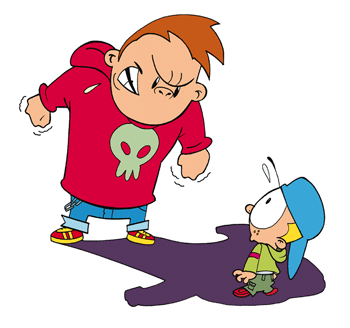
    Barbara Coloroso, international speaker, author and expert on the topic of bullying, says bullying is about contempt; putting one down to build the bully up. She also asserts that bullying is a learned behaviour and that home is where children first learn how set their moral compass. Those who are bullied typically remain secretive about it. They don’t want their parents to think of them as weak and are afraid of retaliation. They endure while quietly losing themselves. The bystander is the one who watches the bullying and does nothing to prevent it. They may even contribute with laughter or taunts. Bystanders are usually afraid of bullies as well and may have low self–esteem. They worry about becoming a target themselves or go along with the bully for lack of a better option. Even if a bystander would never bully on their own, by not stepping in they are picking the side of the bully and in essence enabling them.

    It is too late to care after the fact. A suicide is not the time to ‘tsk’ the sad situation or wish something had been done about it. Kind words for those around us, a smile, inclusion and a willingness to see into the heart and soul of a person will make a difference. The greatest desire in all of our hearts is to be known.

    We all need to have a story. What do you want to do in the future? What are your goals? What would you like to get better at and how can you make that a reality? When we have a story we have focus on the horizon and all that lies ahead, which makes the daily struggles a little easier to endure.

  • Comparing Tuition Fees in Canadian Schools

    Comparing Tuition Fees in Canadian Schools

    When children are young, their parents sometimes begin to set aside money for different purposes. Sometimes they start special bank accounts so that their sons or daughters will have some money to spend when they get a bit older. They might also start an education fund to start to save money for a university or college program in the future. Why would they do that? They know that post-high school education can be expensive, but saving money for their children can help make it possible to continue studying. When the time comes to choose a post-secondary school, students can also help by comparing costs and seeing where they can get the best value for their tuition money.

    Tuition refers to the fees students pay for being able to go to classes and to earn degrees, diplomas, or certificates. Normally, the cost of books and other supplies are not included in the tuition, which covers salaries, maintaining the buildings, and other basic costs. Tuition fees have been rising quickly almost everywhere in Canada, much faster than the cost of food, clothes, and other daily needs. In some places, the fees have almost doubled in the past five years, and in other places, they are almost four times as much as they were. One exception is the province of Newfoundland and Labrador, where tuition has been kept at the same level as it was in 2004. Ontario generally has the highest tuition fees, followed by Saskatchewan. Quebec and Newfoundland and Labrador generally have the lowest fees.

    Even within each province, tuition fees can vary a lot. In Saskatchewan, for example, there is only about a $200 difference in tuition between the most and least expensive university tuitions. In British Columbia, however, the most expensive university costs seven times as much as the lowest-priced. This difference can add up to a large amount of money for a four-year program, which could cost almost $55,000 by 2023. Unless students can live rent-free with their parents, they also have the expenses of rent, food, and other necessities of life. This can add up to a lot of money. Cost is an important factor in choosing your program after high school, but it is only one part of the decision.

    When the time comes for you to choose a post-secondary program, money should not be your only consideration. Sometimes, the best programs with the most support for job searching are also the most expensive. An expensive institution might also offer extra benefits, such as music or sports programs, volunteer opportunities, or a selection of courses not offered elsewhere. If these benefits are important to you, a high-priced school can be a good option. If not, a lower-cost program might be best. Beside these factors, being close to family or friends, being in a big city or small town, or other personal considerations should influence your decision. If you research your options well, you can find a program that combines good economic value with a useful education for your future.

  • The Human War with Technology

    The Human War with Technology

    Technology has become the essence of our everyday lifestyle. A life without our Blackberry’s or iPhone’s is a life that cannot be lived. Imagine how everyday tasks that have been simplified to suit our preference have been altered by technology to get the job done faster. Whether at school, work, or home, technology has made life easier by replacing everyday tasks with machines that process the work efficiently, saving you time and energy. However, one thing to be wary about is the replacement of, well, human beings. You see, with this booming techno-era becoming so dependent on machinery tools to operate us, they will soon operate without us. Technological innovation is so consistent and rapid that every day a couple of new items enter the market for competition and since every company is aware of this massive command, they go to extreme measures. For instance, the need to save time, reduce costs, and improve the safety and reliability of their product, companies will lay off and downsize their staff to hire professionals in the same field located overseas for cheaper labour, but who possess the same credibility and education level (if not more).

    According to Career Planner, some of the jobs that will witness a reduction from North America and Europe in the near future are data entry, programming, technical support, and customer service jobs. Even accounting will be done in countries unfamiliar to our roots; yet have perfectly mastered our education and language. Talent and expertise are no longer suited with a job offer and great pay; the willingness for companies to pay high prices for local contenders will soon be obsolete, and lower cost labour will move to other countries.

    However, students can surpass these challenges by choosing wisely their career path today. By picking a profession that cannot be performed remotely by someone else overseas, you can guarantee security. Here are some of the secure jobs of the future (to list a few) that will still be in demand, cannot be replaced, and require face-to-face interaction, speed, and are complex in their nature. When searching for the right career, make sure it requires physical energy, high level of skills and creativity (so it is not easily completed by someone else), and are hands on. Do not panic if the career you really love is technology based; do your homework and make sure you get familiar with onshore/offshore jobs for the future. No job is ever guaranteed, therefore to secure your position for tomorrow you must be aware of the fluctuation of the economy, along with its unexpected changes.  Plan it right today!

    High Demand Jobs for the Next 10 Years
    1.    Carpentry
    2.    Plumbing
    3.    Electrician
    4.    Hair Stylist
    5.    Construction Contractors
    6.    Auto Mechanics
    7.    Dental Hygienist
    8.    Truck Drivers for delivery service (UPS, FEDEX, Postal Service)
    9.    Airplane Mechanics
    10.  Entertainment (Actor, Singer)
    11.  Writer
    12.  Marketing Strategist
    13.  Lawyers
    14.  Doctors
    15.  Nurses (particularly home healthcare and nursing homes)
    16.  Politician
    17. Security and Financial Service Rep
    18. Real Estate Agent
    19. Teachers
    20. Emergency Medical Technicians
    21. Surgeon
    22. Chiropractor
    23. Therapists
    24. Medical Lab Technician

  • Joining the Trades: What Can I Be?

    Joining the Trades: What Can I Be?

    Are you wondering what types of careers are available to you in the trades sector? There is literally thousands to choose from. Check out just a few of the careers we found on CareersInTrades.ca!

    Construction
    Construction and Maintenance is the best known skilled trades sector. These jobs are available across Canada in both urban and rural areas. Some of its apprenticeable trades are:
    – Bricklayer
    – Heavy equipment operator
    – Painter and decorator
    – Ironworker
    – Mechanic
    – Plumber
    – Welder

    Transportation
    Transportation trades cover vehicles ranging from automobiles and motorcycles to airplanes and cranes. These jobs are anywhere vehicles can be found, which can be a farm, an airport, a harbour or any street! Some of the apprenticeship trades include:
    – Agricultural Equipment Technician
    – Aircraft Maintenance Mechanic
    – Auto Body Repairer
    – Motorcycle Mechanic
    – Transport Trailer Technician

    Manufacturing
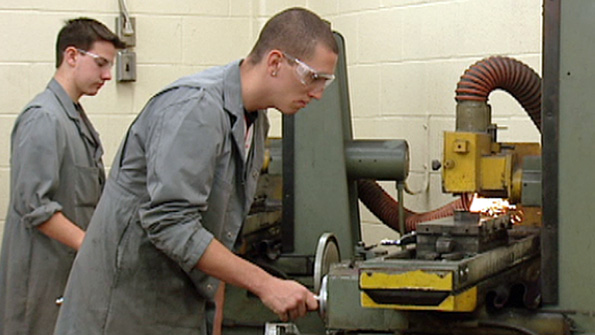
    Manufacturing trades can lead to careers in many different sectors, including cars, textiles and even food production. These careers can secure a job in many manufacturers and bring you to the root of product development. Some of the apprenticeable trades include:
    – Automotive Machinist
    – Graphic Arts (Pre-Press, Press and Bindery)
    – Industrial Electrician
    – Power System Operator
    – Sawfiler/Fitter
    – Tool and Die Maker

    Service
    The service sector offers jobs for those interested in working more closely with the public. From chefs to hairstyling, this sector offers many career opportunities. Some of the apprenticeable trades include:
    – Arboriculturist
    – Baker
    – Barber
    – Graphic Arts Technician
    – Hairstylist
    – Jeweler and Goldsmith
    – Upholsterer

  • Happy Holidays from JobsPeopleDo.com!

    Happy Holidays from JobsPeopleDo.com!

    The month that so many of us wait for is now upon us – it’s December, the month of exams but also the month of relaxation and time off from school.

    As always, we’ve got a great new line-up for you this month that covers everything from how to make your own holiday gifts (if you want to save your money for college tuition!), scholarships, networking tips and so much more.

    This month is bound to be a very busy one for all of us, so take the time to step back when your exams are finished and focus on yourself, your friends and your family. For some of us, this time of year means that we get to spend extra time with our loved ones and celebrate the Christmas holiday. For others, we simply relish the time away from school to rest, relax and get refreshed for the new year.

    However you choose to celebrate the season, remember to do it safely and with others in mind. Don’t drive under the influence – and speak up if you see that someone might.

    From all of us at JobsPeopleDo.com, we wish you a happy holiday season. We’ll see you back here in 2014 with tons of new tips, tricks and career profiles!

    Jasmin Bollman, Assistant Editor
    Don’t forget – be a mentor. Someone needs you!

  • Put Down Your Cell Phone and Drive Safe

    Put Down Your Cell Phone and Drive Safe

    You’ve finally convinced your parents to lend you their car and as you cruise down the highway on your way to your friend’s place, your favourite song comes on the radio. You sink back into the driver’s seat and think to yourself, “Life is good!” Then you hear your cell phone whistle like a little bird, perched on the passenger seat beside you. You check the road ahead and decide it’s safe to grab your phone with your right hand – just so see who sent the message. It’s your friend and she’s asking when you’re going to arrive at her place. Just a quick message back to her will be easy to send, especially since you’ve sent texts while driving plenty of times before.

    In the blink of an eye, you realize you’ve lost control. But it’s too late. Somehow between grabbing the phone and reading the text, your car drifted to the right just as another vehicle was fast approaching in the lane next to you. Your car slams into the driver’s side of the oncoming vehicle and you both screech down the highway into the meridian. Overcome by shock and then relief that you’re still alive, you fail to immediately notice that the car you just hit has two young children in the back seats.

    Distracted driving has become a national issue in Canada. That is why in every province, it is illegal to drive while talking on a cell phone and offenders can expect to pay more than $150 for breaking the law. Sadly, though, the consequences of distracted driving are far more serious than a steep fine.

    Car crashes are the number one cause of death for teenagers – who make up the largest proportion of distracted drivers. According to some statistics, texting while driving kills 11 teens every single day. And when young drivers have passengers with them in the car, the chances of a fatal accident increases up to five times.

    Driving is an enormous responsibility that requires careful attention even after a driver has gained years of experience. Even if you really are a skilled driver, there are many others with whom you share the road that you need to be aware of. Always remember that you are not invincible and distracting yourself while driving puts everyone around you at risk. Turn the volume on your phone off when you get into vehicle to drive so that you’re not tempted to use it, and always be an example to your friends. Being safe is actually pretty cool because it shows people that you value your life – and theirs.

  • Why Should I Change My Attitude?

    Why Should I Change My Attitude?

    Have your parents or teachers ever told you to “change your attitude”?

    It’s amazing how your attitude can have so much to do with how successful you are in life. It affects areas such as friendships, motivation and overall feelings of fulfillment within your personal happiness.

    When you find yourself in situations that cause stress, anxiety or that make you upset, you need to take a step back and re-look at the situation and see things from a different perspective. Don’t let that negative attitude affect your life, which can lead to a cycle of a bad situation becoming worse.

    * Attitude is how we treat others
    * Attitude is the way we approach life
    * Attitude is contagious
    * Attitude is how we respond to challenges
    * Attitude affects our health
    * Attitude affects our relationships
    * Attitude is our personal trademark
    * Attitude determines if we fly or fall

    It’s difficult to recognize the importance of attitude without seeing the evidence of it in your own life.

    Honestly, changing your attitude is the first step in taking control of your life. Do you like the way you feel? Are you good company? Are you  productive at school? Is your negativity bringing other people down?

    Do you want to be happy?

    A conscious decision to change your attitude starts with making changes in how you look and feel in different situations. Concentrate on finding solutions to bad situations moving forward. You may even recognize that things are not such a big deal. Over the first week you will begin to see changes – first small ones, then larger ones.

    Never underestimate the power of your attitude. How you view things will have a direct impact on how happy you are, and how successful you will be. You need to make sure you are constantly checking your attitude to ensure it is on track.

    Remember: don’t sweat the small stuff!