Author: Kathleen Gerry

  • Graduate Scholarships

    Graduate Scholarships

    If you are considering the possibility of graduate school, one of the most daunting factors for you to consider could be how you will pay for it. Don’t worry! There are many scholarships available to students pursuing everything from engineering to the arts. Some of the financial aid your school offers is competitive and based on performance, and others are based on applicant needs. While the types of support offered varies by university, I use Laurentian University in Barrie and Sudbury Ontario as an example of some of the types of support offered for this article. For accurate descriptions of the types of support offered, please view your school’s website. Graduate students can apply for graduate teaching assistantships or research assistantships, summer fellowships, scholarships and bursaries (based on merit and need) and OSAP (based on need).

    Teaching assistantships or research assistantships are valued at $7,350 for Masters students and $12,075 for PhD students and are opportunities that full time students registered in the first two years of their masters program or in the first 4 years of their graduate degree can take advantage of. These can be in the form of 10 hr/week teaching positions in the University or fellowships (“A temporary position at an academic institution with limited teaching duties and ample time for research” (Wiktionary, 2013)). Summer fellowships are valued at $1000 and gives graduate students the opportunity to work full-time on their research during the summer. Research assistantantships are available in select cases and based on availability of faculty to support graduate students wishing to pursue this option. The criteria for receiving scholarships and bursaries varies by school, so check your school’s graduate studies program website for further details on the scholarships and their respective deadlines. Typically, these supports are available to applicants in their first and second year of their program who are enrolled into full time studies and are Canadian residents. OSAP (Ontario Student Assistance Program) is designed to help students who are in financial need. Interested students may view eligibility criteria and apply through the website at www.osap.com.

    If the next step on your career path requires you to pursue graduate education and you’re broke, never fear! There are many options suited for students in different situations. Keep your head up and take a look at your graduate studies website for more information on what is best suited for you!


  • What Do You Want to Be When You Grow  Up?

    What Do You Want to Be When You Grow Up?

    “What do you want to be when you grow up?”

    It’s the classic question that every kid has heard at some point, usually before they are finished kindergarten. You’ve probably heard it at every birthday, every get-together, every parent-teacher night you’ve ever been to. And you may or may not be able to answer it. That’s okay – it’s difficult to know what you want to do when you grow up. What most kids don’t know is that they don’t need to choose just one thing.

    In today’s world, many jobs require a wide variety of skills, and it is becoming more and more common for adults to do several different jobs rather than just one. The best thing that you can do is figure out what you like to do, then work on getting good at it – even if you don’t know what kind of job you want to do. That way, you’ll be ready for anything.

    You might enjoy video editing, computer programming and writing. You might start off with a job in programming, and then decide later that you’d prefer to work in video editing. Maybe you’ll write for a magazine in your spare time. It’s always possible to change careers, or to take on a side-job in order to do everything that you enjoy.

    Never limit yourself to only one option – if you have a wide variety of interests and skills, you’ll have a wide variety of job opportunities by the time you’re old enough to choose one (or two, or three)!

  • November Scholarships – Apply Now!

    November Scholarships – Apply Now!

    It’s November, so we know what you’re thinking about – getting through exams and counting down the days to when you will be on holidays come December. If you’re planning on starting post-secondary education next fall, thinking about scholarships is something you need to pencil in, too! Many scholarships are accepting applications NOW. Get yours in while everyone else is concentrating on Christmas vacation and you’ll have an even better shot at scoring that free money!

    1. Canadian Society for the Study of Religion Undergraduate Student Essay Contest – Open to all students enrolled in an undergraduate program at any school. Amount: $250. Deadline: April 18, 2014.

    2. Burger King Scholars Awards – Open to all students across Canada who are employed by Burger King or who are children of Burger King employees. Amount: Up to $50,000. Deadline: January 10, 2014.

    3. Terry Fox Humanitarian Award – Open to all students across Canada who demonstrate voluntary humanitarian work. Amount: $7000. Deadline: February 1, 2014.

    4. Dalton Camp Award – Open to all students across Canada. Amount: $10,000. Deadline: November 15, 2013.

    5. TD Scholarships for Community Leadership – Open to all students across Canada. 20 awards available! Amount: Up to $70,000 over 4 years. Deadline: December 6, 2013.

    6. RBC Students Leading Change Scholarship for Undergraduates – Open to all students across Canada entering post-secondary education on 2014. Amount: Varies. Deadline: Applications available November 1, 2013 – deadline TBD.

    7. Horatio Alger Canada Scholarship Program – Open to students in Quebec, Ontario, BC or Alberta. Amount: $5000. Deadline: December 1, 2013.

  • How to Get Your Volunteer Hours

    How to Get Your Volunteer Hours

    As you know, all high school students need to have 40 hours of community service in order to graduate. Use this information to discover where your 40 hours can best be used.

    Volunteer Centres work in local communities to strengthen volunteering and citizen engagement. With more than 200 in Canada, each volunteer centre’s name, size, structure and services reflect the unique characteristics of their community.

    To find a volunteer centre in your area, click here.

    Many volunteer centres are independent non-profit organizations, while others are part of a United Way, Social Planning Council, Community Information and Referral Centre or municipal services. Though diverse in many ways, they share the following common functions:

    – Promote volunteering
    – Build the capacity of organizations to engage volunteers
    – Facilitate connections between people with volunteer opportunities
    – Provide leadership on issues related to volunteering and citizen engagement

    If you want to volunteer, your local volunteer centre is there to connect you to opportunities in your community. It may have a database of volunteer opportunities or can connect you directly to opportunities within its member organizations.

  • What to Do With a Gap Year

    What to Do With a Gap Year

    A gap year is an idea that many may brush off, may overlook, or may not take seriously. Gap years are often thought of as a ‘fallback’ or an alternative if your initial plans fall through. But it can be so much more than that.

    Taking a year off can let you revitalize and focus you. It allows an opportunity for you to grow outside of the school environment and provide a fresh outlook on what you want to do, what is important to you and how you want to continue your studies.

    You won’t be bored, I promise you. There are countless options for how to spend your year. Some may be more practical than others, but they all will (hopefully) help influence your upcoming decisions concerning what it is you want to do.

    Taking more classes is a common option. Working for those extra credits can give you the opportunity to explore those courses you never had the time for before. Maybe you’ve always had a passion for literature? You could try some offbeat English courses. Film? How about a “History of Western Filmmaking”? Taking additional courses allows the opportunity to boost your average and explore some alternative new fields.

    Then again, education is expensive. Working could be a good idea. You could work full-time or part-time either working as a barista or something totally unique. Your choice. Regardless, experiencing the workforce can be a positive and eye-opening experience and a little extra cash never hurt anyone.

    Maybe you want to see the world before heading back to the library? Traveling is an unforgettable experience. It is one that can broaden your mind, allow you to grow as an individual all while putting a good dent in the money you saved up working for the better part of your year off.

    Each can of course be inclusive of the others and each offers the opportunity to learn new skills, learn about yourself, network and hopefully help you decide which path you want to take or any changes you may want (or not want) to make to the one you’re already on.

    Your education is not a race. It’s your life. The decisions you make and route you choose will make a huge impact on your future so be sure to take your time and make the right decisions. Some people dismiss the idea of a gap year as a ‘wasted‘ or ‘lost‘ year but if you do it right and make the most of it taking a year off can be an extremely rewarding and eye-opening experience. You won’t regret it!

  • The Wonders of Thrift Shopping

    The Wonders of Thrift Shopping

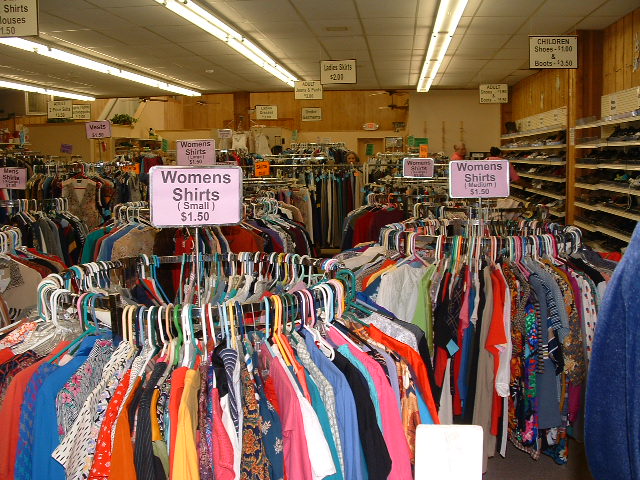
    Ever since Macklemore came out with that catchy song (you know, the one that plays on the radio every 30 seconds), thrift shopping has topped the list of Cool Things To Do. Even celebrities like Janelle Monae and One Republic’s Ryan Tedder have jumped in on the craze. If you’re a fashion junkie such as myself, you’ll agree with me when I say that second hand clothing stores are glorious.

    For those suffering from a lack of variety in their closet, thrifting is the way to go. The clothing at thrift stores are always rich with an odd assortment of colors, fabrics, and prints. It’s the best way to diversify your outfits without spending a fortune. Shopaholics in particular can benefit from taking a trip down to the nearest Goodwill. Buying second-hand clothing is a great way to satisfy your cravings without feeling incredibly guilty afterwards.

    A lot of students go the extra mile (or pay the extra mile) to ensure that they have clothes no one else is rocking. However, the easiest and most economically-friendly way to do this is to go thrifting! Second-hand stores are bursting with things that you can’t find anywhere else. There is literally something for everyone, no matter what style you’re currently into. Vintage-lovers, especially, may find themselves salivating at all the cool, old-school articles they have lying around.

    There are legions of people who are skeptical about purchasing used-clothing but I urge you to break away from that mindset for the sake of your wardrobe. Who cares if those high-waisted jeans have been worn before? Are you afraid that the previous owner of your gorgeous, tweed blazer is going to bump into you on the street and demand their stuff back?

    If you’re still a bit self-conscious, no one has to know that you bought your items second hand. However, you should embrace the fact that you scored an awesome new wardrobe with a handful of change. You’re fabulous and resourceful; learn to love it.

    For those who are still a bit unsure about the wonders of thrifting, take a look at what I managed to snag last week at a second-hand store for only $40:

    • 4 Blazers
    • 2 Winter Cardigans
    • 2 Vests
    • 2 Tunic Sweaters
    • A navy blue dress shirt
    • A cute belt
    • A floral skirt

    I’m still congratulating myself on such a great haul.

    With winter coming, this is the perfect time to take your first trip to the local second-hand store. For all the sweater lovers out there, you should know that almost every thrift store you go to will have a ton of lovely grandpa-sweaters in all sorts of colors and patterns. You can pair them with your favourite pair of skinny jeans or neutral tights and some killer combat boots. The possibilities are nearly endless.

    So when in doubt, just remember that thrift rhymes with gift. Thrifting is a gift from the higher powers so take advantage of it! Just grab a twenty-dollar bill and prepare yourself for the biggest shopping-high you’ll ever experience.

  • Your Credit Rating Begins Now

    Your Credit Rating Begins Now

    You begin to establish credit the day you get your first credit card, apply for a student loan, or sign a contractual cell phone plan. How you handle the credit afforded to you has a direct impact on the products and rates offered to you for years to come.

    What is a credit rating?
    Your credit rating is a measure of responsibility. It demonstrates to banks and other lending institutions that you’re consistently able to pay your minimum balance on time. Your credit score represents a track record, and where you’re at now.

    The strength of your credit history is what determines if you qualify a credit card, a loan, or a mortgage, and can affect the interest rate you’re offered. If your credit rating is low, you will be deemed high risk, and the interest rate will be much higher, if you’re even offered credit.

    How do I establish credit?
    For new or young borrowers, this can be challenging, if you don’t have any credit history.

    Some lenders will allow someone with an established credit history, such as a parent or guardian, to co-sign a credit application with you. Though remember, this means that both parties are responsible for timely repayment. If your mother co-signs your credit card application, and you fail to pay, this will negatively impact both credit scores.

    Most credit cards are unsecured, meaning you haven’t put down a deposit or secured it against property. However, if you don’t have any credit history, you can look into getting a secure another option is to apply for a secured credit card, where you have collateral backing up the line of credit. Often this is a deposit, which will be returned to you when you cancel the card. Some secured cards carry higher interest rates and have fees associated with them.

    What affects your credit rating?
    Consistently paying down credit on time, at least the minimum balance or more, builds or maintains your credit rating. Each late, missed, or incomplete payment negatively affects your score. Regularly miss or make late or incomplete payments, and this could negatively affect your credit score for years.

    Your credit score is also based on the length of time you’ve maintained a credit account with a lender, and how long that account has been in good standing.

    Credit reports only track funds that you’ve borrowed. They don’t include information about whether you pay your bills or rent on time.

    How do I maintain good credit?
    Always pay your minimum monthly balance on time. Better still, pay more than your minimum balance, and pay it early, as it can take a few days for transactions to clear.

    Each time you apply for credit, it shows up on your credit history. Requesting too much credit in a short period of time can lower your score.

    Request a credit history from Equifax or TransUnion annually, and review the report. If you find incorrect information, contact Equifax or TransUnion immediately so they can begin the dispute resolution process.

  • What’s High School REALLY Like?

    What’s High School REALLY Like?

    For anyone starting high school, it can be an intimidating time. You’re suddenly in an environment where you’re not always surrounded by familiar faces and you have a lot more freedom. But not to worry – high school is one the best and most memorable times of your life.

    High school is the perfect opportunity to explore, meet new friends, figure out your interests and to figure out what you want to do as a career.

    Meeting New Friends
    If you’re starting high school with friends you already know from elementary school, try not to limit yourself to that clique. We all see the typical cliques in teen movies. The jocks, the cheerleaders, the nerds…but reality is not really like that. You can be a “jock” who is into academics or be an academic who is into sports. So be open to meeting new people. How do you go about doing this? You can meet new people in your classes. You will eventually have to work in preassigned groups on projects in classes, so this is the perfect time to get out of your comfort zone and get to know new people as you may be spending a lot of time together outside of class time. Take advantage of that time together; you may find you have a lot in common with them. You can also meet new people by joining clubs, extracurricular activities, joining sports teams and attending social events like dances and pep rallies.

    What are Your Interests?
    Maybe you weren’t as athletic in your elementary school but now you want to try out for the soccer or basketball team. It’s a great way to stay active and of course to meet new people that have similar interests as you. Maybe you’ve always been interested in music or pursuing acting. Join the school choir or drama club. Maybe you want to run for the school election or join a committee – it’s a great way to hone your leadership skills! Also, the best part about high school is that you can pick a lot of your own courses that you can choose based on your interests like Art, Drama, Music, Creative Writing and Media Studies, just to name a few.

    Choosing Your Career
    High school is the time to figure out what you want to take in your post-secondary education and to figure out what career path to take. Through your courses, you will figure out what your strengths are and what you’re most interested in. You have a lot of resources available to you to help figure out what you want to do. Teachers and guidance counselors can help guide you to the right path and assist you in the necessary steps to get there. Volunteer hours are now mandatory requirement for high school, so this is the perfect time to work in a field of your interest and to gain first-hand experience in your chosen industry. This experience also looks great on a resume if you’re looking to apply to a job. Maybe you want to become a teacher so you can volunteer at a school. You will gain valuable skills that you can use in the future.

    Your Social Life
    School is not all about work. You need to have some fun, and it’s all about balance. Take advantage of the social aspect of high school. Go to school trips, dances, and parties. You will most likely make friendships that will last a lifetime so take advantage of these opportunities. High school will go by in a flash, but these years will be the ones that you will always remember.

  • Get Your Volunteer Hours the Old Fashioned Way

    Get Your Volunteer Hours the Old Fashioned Way

    In order to graduate high school, students must complete 40 hours of volunteer work. Rather than dragging it out over the course of an entire high school career, why not get them all done at once? And for that matter, even learn something while you are at it? If you’re interested thus far, you should look into volunteering with your local history museum.

    You will often find that any city’s museum would welcome student volunteers, especially those who have a vested interest in history or plans to continue historical studies into university.

    Maja Bannerman, Public Programmer for the Niagara Falls History Museum said that the museum accepts volunteers aged 10 to 80. Bannerman commented that their graveyard tour program in specific attracts many student volunteers, “a lot of the high school students are doing their hours and getting beyond what they need,” she added.

    The graveyard tour has students dress up in period clothing and imitate those buried in the Lundy’s Lane Battle of 1814 graveyard.  These students put on three shows per night, every Friday and Saturday for the last three weeks in October. Beyond the official shows, there are numerous dress rehearsals and technical rehearsals throughout September in preparation for the show. Though it is a large time commitment, you could easily complete your volunteer hours by the end of October, and you’d have some great stories to tell from the experience.

    Though the Graveyard Tour is only one program at one museum, it is a fine example of an unconventional way to complete your volunteer hours quickly. Beyond getting your required volunteering done, there is enormous opportunity to learn something new about the place you live.

    However, your involvement does not have to stop there. By volunteering to the best of your abilities, you can show yourself to be a very useful asset to the museum. If you are particularly talented, it is possible to turn your volunteer position into a future job or career.

    “There have been students in the past who have attained paid positions here,” Bannerman said. Making such connections through volunteering can lead to a job, a career, or even just an excellent reference for your resume. It is very important to begin making connections like this while you are still in high school, as they will carry you through your college or university years and into the real world.

  • I Think I’m In Love! Handling a Crush

    I Think I’m In Love! Handling a Crush

    Like their first kiss and their first love, most people can remember any number of details about their first real “crush.” The butterflies in their stomachs, the dry mouths, the sweaty palms, the racing hearts – it may all sound gross, but these symptoms are exhilarating when you get to pair up with your crush for a science experiment, sit next to your crush on the bus or manage to eat a whole lunch by your crush’s side. Unfortunately, the title “crush” is apt as it is very easy to be crushed if you find out that (s)he does not return your affections. Don’t be crushed by a crush! Instead, follow these tips for moving on and moving up to someone who deserves your special attention.

    Defining a Crush
    A crush, unlike a relationship, is not a two-way street. Often you’ll realize that you feel a strong attraction to someone you barely know, for reasons you barely understand, and that this, in all of its glory, is a crush.

    Signs of a Killer Crush
    Even if you know better, falling hard for a crush can be unavoidable. Signs of a killer crush include:
    • Wanting to be near him/her, even if you don’t know his/her name, and (s)he wouldn’t know yours.
    • Wanting to find out as much as you can about your crush and searching for clues to “prove” your compatibility.
    • Changing your habits or schedules to coincide with theirs.
    • Feeling embarrassed or flustered when your crush pays attention to you.
    • Reacting nervously when you are physically close .
    • Obsessing for hours about a hypothetical future with him/her.

    Coping with a Crush
    Living with a crush isn’t easy – in fact, it’s hard work. Having a crush makes it hard to concentrate, it makes it hard to eat and it especially makes it hard to sleep, even if you are hoping to meet up  somewhere in your dreams. To make sure that the rest of your life doesn’t fall apart for the duration of your crush:
    • Confess your crush to your friends and ask them to distract you.
    • Throw yourself into schoolwork to make sure you don’t fall behind (and who knows, maybe by standing out you’ll catch your crush’s attention).
    • Take up a hobby that will get you out of the house and get you moving.
    • Give yourself enough time alone to fantasize , but don’t let it interfere with your real life.

    Living with a crush can be a wonderful, magical, painful, torturous time. Allow yourself to enjoy the frivolity of a crush, but don’t let your feelings override your common sense. Don’t risk your safety, or your reputation, in order to get your crush’s attention. In other words, don’t irrevocably change your life for a crush that will likely disappear as quickly as it began.