Author: Anthony Teles

  • Learn a Trade Skill (Whether You Use It or Not)

    Intellectual pursuits are all the craze. Even well-intentioned teachers and professors will put exorbitant weight on language, math, and science. In a world of growing automation and technology, hands-on work has a tendency to be neglected. However, learning a trade skill, regardless of your ultimate career path, is something to strongly consider.

    We rely more and more on technology that we understand less and less. From the many components to the cars we drive, to the mysterious inner-workings of the phones we use for virtually everything, we are more and more dependent on items that could malfunction at any time. What then? What happens when your car breaks down halfway to class? Or when something goes wrong in your home at the worst possible time?

    Trades can make you quite popular in times of need. Your know-how can help put people at ease before a licenced electrician or mechanic is on the scene. Learning a trade skill is more than just a popularity contest, though. The education can give you a greater appreciation for the world around us that operates under the hood.

    Electricians hop from house to house, building to building, to ensure the electricity is doing as it should. While you sleep, an emergency call at 3:00 a.m. will be attended to and the issue resolved before you even wake up. This is the result of years of practice, apprenticeships, and dedication to a trade. This is the side of society that keeps things running – the very things some people will praise as more important.

    Learning a trade skill through a course or short program lets you see this other side in full force. It does not have to be a full-time pursuit. It could be a night course on car mechanics, or perhaps a weekend carpentry class. You may never earn a dollar from it. Then again, you could save a dollar or two when you are able to make or fix something all on your own.

    In an economy shifting towards short-term work, juggling multiple jobs, and entrepreneurial efforts, diversifying your skillset is abundantly useful. The stability of long-term jobs until retirement may be a thing of the past, but this change paves the way for more adventurous and less predictable career paths. Your trades skill could become a crucial part-time job, or even be incorporated into the larger plans of your own business as an entrepreneur.  Someone in theatre could build parts of their own set, while someone else with their own store can fix little problems without having to call for help.

    The simplistic and flat-out incorrect notion that the trades are a second resort for those who could not get into university is quickly fading. Trades skills are gaining the respect they have thoroughly deserved. Now is the perfect time to check out classes and courses in your area to try your hand at a skill. It could be for a career, as an additional talent for use down the road, for simple enjoyment, or to gain appreciation for the oft-neglected work that goes into making our society function.

    Sources:

    Clarkson, Natalie and Daniel Orton. “Want a good career? Become a plumber, electrician, or learn any other trade.” GoThinkBig. https://gothinkbig.co.uk/

    Geremia, Anthony. “The Value of Skilled Trades.” Centennial College. http://www.centennialcollege.ca/centennial-college-blog/2014/october/22/the-value-of-skilled-trades/

  • Disability in Video Games: Why It Matters and Where It Exists

    Disability in Video Games: Why It Matters and Where It Exists

    Video games are virtual worlds with endless possibilities for what characters can do and see. As well as providing a platform for endless possibilities, video games also provide a space of exposure for representation. A study from the Netherlands showed that approximately 92% of people with disabilities play video games. Although this is likely not representative of a global number, it is still indicative that disabled players comprise of a sizable demographic for video game studios to consider. Their experiences deserve to be represented in gaming.

    Including disabilities in video games gives creators, characters, and players with disabilities a presence: the representation normalizes disabilities and tells players to not forget that people with disabilities exist in a variety of ways. The more players see positive depictions of people with disabilities in any world, be it digital or not, the more that individuals will come to understand the lives of people with disabilities. In this article, I will provide just a small sampling of the ways disabilities and individuals with disabilities have been represented in gaming.

    Mental Disability Representation in Video Games

    Hellblade: Senua’s Sacrifice

    The main character of “Hellblade: Senua’s Sacrifice” is Senua, a warrior that must fight through Viking Hell. Senua happens to be a character with psychosis, a mental disability. According to a 2020 study on the game, players reported “less desire to keep those with mental illness away” as they assumed the role of Senua (Ferchaud et al. 6). Viewing the game world through Senua’s perspective allowed players to connect with her and to understand her disability. Inclusion of characters like Senua is a good combatant against the stigma that people with disabilities face.

    The game’s official website even has a mental health support page for people that may be going through any of the issues seen within the game. While Ninja Theory, the game’s developer, is based in the United Kingdom, this page allows users to filter through mental health links from many countries over the world.

    Physical Disability Representation

    Marvel’s Avengers

    In 2020, Meagan Marie and Mariah Robinson from game studio Crystal Dynamics discussed accessibility in the workplace, as well as how they planned to represent disabilities in their games. As Marie notes, the studio’s goal was to “normalize representation within our game world by reflecting the diversity of the real world” (Chiasson).

    One example of this would be Cerise, a non-playable character in “Marvel’s Avengers.” Crystal Dynamics worked with Cherry Thompson, an accessibility specialist, to provide wheelchair motion capture for the character. Although the reaction to Cerise’s implementation in her game has been mixed, Crystal Dynamics has been applauded for the lengths they went to animate a character with a wheelchair.

     “Real-world” Representations of Disability

    Pegasus Dream Tour

    As the Paralympics’ first venture into gaming, “The Pegasus Dream Tour” is a mobile game based on the Tokyo 2020 Paralympics. Players can create their own avatar and try out Paralympic sports alongside avatar representations of real-life parathletes. One example is Boccia, a game in which athletes throw leather balls on the court. The objective is to get their teams’ leather balls the closest to the jack.

    Unfortunately, “The Pegasus Dream Tour” is set to cease services on January 31st, 2022, due to the expiration of the Paralympic license agreement with the International Paralympic Committee. Despite its short-lived run, “Pegasus Dream Tour” is a great piece of media for disability representation, in both raising awareness for the Paralympics and athletes with disabilities.

    Cosmetic Representation of Disability

    Animal Crossing: New Horizons

    In “Animal Crossing: New Horizons,” players manage their own island, its inhabitants, and the buildings that islanders use. Part of the fun comes from customizing one’s own islander and the interiors that they will use. A wheelchair is among the furniture items that players can purchase. The fact that it exists in a game where player customization is a big aspect of the gameplay is a good thing to include. When avatars can be used as a digital representation of the player themselves, more options can make the experience feel more personalized.

    The Future of Disability Representation in Video Games

    While there are disabled characters within gaming, more needs to be done: physical disability representation outweighs mental disability representation, and the type of representation is lacking in diversity (for example, not everyone in a wheelchair experiences life the same way). As Ian Hamilton describes, “games are often guilty of furthering the myth that a disability is rare” and therefore, more planned out and considerate depictions of disabilities are needed (“Diversity in Gaming: Disabled Characters in Video Games”). By including (at the very least) a small portion of disability representation in their games, games studios can help tackle the stigma associated with disabilities. The situation of disability representation in video games has been slowly improving, and these gradual improvements should continue.


    Sources: 

    “Boccia | Canadian Paralympic Committee.” Canadian Paralympic Committee, https://paralympic.ca/paralympic-sports/boccia. Accessed 3 Dec. 2021.

    Chiasson, Améliane. “Accessibility On Marvel’s Avengers – The Journey So Far | Square Enix Blog.” SQUARE ENIX, 28 May 2020, https://square-enix-games.com/en_US/news/accessibility-marvels-avengers. Accessed 3 Dec. 2021.

    Chin, Wing. “Around 92% of People with Impairments Play Games despite Difficulties.” Game Accessibility, https://www.game-accessibility.com/documentation/around-92-of-people-with-impairments-play-games-despite-difficulties/. Accessed 8 Dec. 2021.

    Diaz, Jen. “Where to Get the Wheelchair in Animal Crossing: New Horizons.” Gamepur, 27 Mar. 2020, https://www.gamepur.com/guides/where-to-get-the-wheelchair-in-animal-crossing-new-horizons. Accessed 3 Dec. 2021.

    “Diversity in Gaming: Disabled Characters in Video Games.” TechTalk, https://techtalk.currys.co.uk/tv-gaming/gaming/diversity-in-gaming/about/. Accessed 8 Dec. 2021.

    Fahey, Mike. “I Wish The Wheelchair-Using Inhuman In Marvel’s Avengers Did More.” Kotaku, 2 Sept. 2020, https://kotaku.com/i-wish-the-wheelchair-using-inhuman-in-marvels-avengers-1844931415. Accessed 5 Dec. 2021.

    Fahey, Mike. “I’m So Happy There’s A Wheelchair In Animal Crossing: New Horizons.” Kotaku, 25 Mar. 2020, https://kotaku.com/i-m-so-happy-there-s-a-wheelchair-in-animal-crossing-n-1842492728. Accessed 5 Dec. 2021.

    Ferchaud, Arienne, et al. “Reducing Mental Health Stigma Through Identification With Video Game Avatars With Mental Illness.” Frontiers in Psychology, vol. 11, 2020, p. 2240. Frontiers, https://doi.org/10.3389/fpsyg.2020.02240.

    K., Bobby. “That Isn’t Mii.” Can I Play That?, 3 June 2021, https://caniplaythat.com/2021/06/03/that-isnt-mii/. Accessed 8 Dec. 2021.

    “Mental Health Support | Hellblade | Senua’s Sacrifice | Ninja Theory.” Hellblade, https://www.hellblade.com/mental-health-support. Accessed 3 Dec. 2021.

    Miller, Mollie. “Why the Right Kind of Disability Representation in Media Matters.” The Mighty, 2 Dec. 2019, https://themighty.com/2019/12/improving-disability-representation-media/. Accessed 3 Dec. 2021.

    “THE PEGASUS DREAM TOUR.” THE PEGASUS DREAM TOUR Official Website, https://pegasus-dream.com/en/. Accessed 3 Dec. 2021.

    “World’s First Official Paralympic Video Game Launched.” International Paralympic Committee, 23 July 2021, https://www.paralympic.org/news/world-s-first-official-paralympic-video-game-launched. Accessed 4 Dec. 2021.


  • Top 10 Reasons to Volunteer

    Top 10 Reasons to Volunteer

    Thinking of becoming a volunteer? Here are 10 good reasons to do so!

    #10: It’s good for you.

    Volunteering provides physical and mental rewards.

    • It reduces stress: Experts report that when you focus on someone other than yourself, it interrupts usual tension-producing patterns.
    • It makes you healthier: Moods and emotions, like optimism, joy, and control over one’s fate, strengthen the immune system.

    #9: It saves resources.

    Volunteering provides valuable community services so more money can be spent on local improvements.

    • The estimated value of a volunteer’s time is $27.00 per hour as of 2017.

    #8: Volunteers gain professional experience.

    You can test out a career.

    #7: It brings people together.

    As a volunteer you assist in:

    • Uniting people from diverse backgrounds to work toward a common goal.
    • Building camaraderie and teamwork.

    #6: It promotes personal growth and self esteem.

    Understanding community needs helps foster empathy and self-efficacy.

    #5: Volunteering strengthens your community.

    As a volunteer you help:

    • Support families (daycare and eldercare)
    • Improve schools (tutoring, literacy)
    • Support youth (mentoring and after-school programs)
    • Beautify the community (beach and park cleanups)

    #4: You learn a lot.

    Volunteers learn about things like:

    • Self: Volunteers discover hidden talents that may change your view on your self-worth.
    • Government: Through working with local non-profit agencies, volunteers learn about the functions and operation of our government.
    • Community: Volunteers gain knowledge of local resources available to solve community needs.

    #3: You get a chance to give back.

    People like to support community resources that they use themselves or that benefit people they care about.

    #2: Volunteering encourages civic responsibility.

    Community service and volunteerism are an investment in our community and the people who live in it.

    #1: You make a difference.

    Every person counts!

  • Inspiring Films About Social Change

    Inspiring Films About Social Change

    Movies and documentaries to get you inspired:

    The world is full of remarkable individuals and organizations, dedicated to making a difference within their communities. If you have community-building aspirations of your own, it’s important to become familiar with the kind of work that is happening in the world today. That includes reading newspapers and journals, as well as doing research on the organizations that interest you the most.

    However, film can also serve as a great medium for a social message. Though many movies are “inspired” by true stories and not 100% fact, they are nonetheless a fun and accessible way to discover the world of volunteering, community work, and social justice with your own eyes.

    To inspire your own community efforts, here are some movies and documentaries on the topic of social change.

    Gandhi (1982, directed by Richard Attenborough)

    Gandhi follows the story of the famed lawyer Mohandas Karamchand Gandhi (now referred to as Mahatma Gandhi worldwide). The film focuses on Gandhi’s incredible work through the nonviolent revolution against British colonials in India. The movie also places a particular focus on the revolution itself as opposed to providing in-depth background of Gandhi’s earlier life.

    12 Angry Men (1957, directed by Sidney Lumet)

    A classic film about crime, punishment, and the true meaning of justice, 12 Angry Men features a jury in the deliberation room, deciding on the verdict of a criminal trial. The film explores themes of bias and prejudice interfering with the true administration of justice—racism and classism, as mentioned in the film, are just two examples of biases that continue to affect the justice system today.

    Milk (2008, directed by Gus Van Sant)

    Milk is a biographical film about real-life politician Harvey Milk, an American gay rights activist who eventually became California’s first openly gay official to be elected into office. The movie follows Harvey Milk’s struggle both as a politician and as a representative for gay rights, and the amazing things he accomplished even when faced with the homophobia prevalent throughout the United States in the 1980s.

    An Inconvenient Truth (2006, directed by Davis Guggenheim)

    Arguably considered one of the most important environmental films ever made, this documentary outlines former U.S. Vice President Al Gore’s efforts to make the terrifying research about climate change widespread knowledge. The movie urges viewers to stop believing those who dismiss environmental claims as “myths”, and instead, to make efforts to salvage what remains of our planet before it’s too late.

    It is important to emphasize that though many of these films are not recent, they highlight issues that continue to be relevant today. The problems that these movies explore are far from being resolved, and it will take all of our efforts to ensure that progress is still made far into the future. Watch, and get inspired.

    Sources:

    IMDb. “12 Angry Men.” http://www.imdb.com/title/tt0050083/

    IMDb. “An Inconvenient Truth.” http://www.imdb.com/title/tt0497116/?ref_=nv_sr_1

    IMDb. “Gandhi.” http://www.imdb.com/title/tt0083987/

    IMDb. “Milk.” http://www.imdb.com/title/tt1013753/

  • Resources for Those Experiencing Bullying and Cyber-Bullying

    Resources for Those Experiencing Bullying and Cyber-Bullying

    By Mara Hurst

    Cyberbullying can be extremely difficult to deal with, especially if you feel alone. Luckily there are many resources out there to help a person through it. Here are some helplines and resources for you to use if you or a loved one is experiencing cyberbullying. And remember, if anyone is in immediate danger of hurting themselves or others, do not be afraid to call 911.

    Helpines

    BullyingCanada
    This national anti-bullying charity has been working directly with students and families affected by bullying since 2006. The organization offers a 24/7 lifeline for individuals to reach out about their own experiences; BullyingCanada has volunteers that provide counselling and mediation to solve the problem directly. They also have a National Scholarship Program aimed at helping youth become community leaders who can tackle bullying in their own school.

    Stop A Bully
    Since 2009, this B.C. resource has been working to provide students and youth a place to anonymously report bullying. Students across the country have reported instances of bullying. The site has provided its member schools with resources and information to help address the issue. The website also features numerous anti-bullying materials, news, and resources for teachers.

    Kids Help Phone
    Kids Help Phone has been around for over 30 years, and provides 24/7 e-mental health services for children and youth across Canada in both English and French. Callers can request help related to bullying, cyberbullying, and other mental health issues. There are volunteer crisis responders and professional counsellors ready to assist you.

    Resources

    UNICEF
    The United Nations Children’s Fund is an international agency devoted to children worldwide. Their resource on cyber-bullying has plenty of helpful information for both youth and adults. This includes an overview on the effects of cyberbullying and how to reach out for help online. There are also steps that can be taken to make social media sites such as Facebook and Instagram safer to use and make one less likely to experience bullying.

    HelpGuide
    This resource takes a look at the different types of bullying and how they can impact children and youth in numerous ways. It also addresses why a bully might do what they do, and how students can respond to being bullied. These tips include things they can do on their own, as well as how to reach out for help. There is also advice for parents and teachers to help them better understand cyberbullying situations and how to respond when their child or student is dealing with the problem.

    Cyberbullying is an extremely complex and difficult issue. Bullying itself has always been a challenge for youth and adults alike; the technological and online aspects of cyberbullying add whole new dimensions to the problem. Fortunately, this same technology also offers plenty of support systems through different organizations and websites. The ones listed above are a great start, but there are far more out there. It is important to reach out to these resources, as well as parents and trusted adults. Remember that you are not alone.

  • January 2022 Scholarships: Apply now!

    Alberta Blue Cross’s Indigenous Scholarship Program

    Scholarship Value: $1,500

    Awards Available: 6

    Award Deadline: January 15, 2022

    Address: https://www.community.ab.bluecross.ca/programs/indigenous-scholarships.php


    Mayor Andree Boucher Memorial Scholarship

    Scholarship Value: $4,500

    Awards Available: 2

    Award Deadline: January 21, 2022

    Address: https://fcmcareers.wufoo.com/forms/z1rg0din0yia0zj/


    ExploraVision Awards

    Scholarship Value: $10,000

    Awards Available: 40

    Award Deadline: January 31, 2022

    Address: https://www.exploravision.org/rules-requirements/


    Indspire’s Building Brighter Futures Scholarship

    Scholarship Value: $10,000

    Awards Available: 1,000

    Award Deadline: February 1, 2022

    Address: https://indspire.ca/programs/students/bursaries-scholarships/


    Society of Manufacturing Engineers Scholarship

    Scholarship Value: $10,000

    Awards Available: 200

    Award Deadline: February 1, 2022

    Address: https://www.smeef.org/sme-education-foundation-scholarships/scholarship-opportunities/


    John Proctor Scholarship at York University

    Scholarship Value: $8,000

    Awards Available: 1

    Award Deadline: February 15, 2022

    Address: https://sfs.yorku.ca/scholarships/award-search?awardID=0268


    Tentanda Via Award at York University

    Scholarship Value: $40,000

    Awards Available: 60

    Award Deadline: February 15, 2022

    Address: https://sfs.yorku.ca/scholarships/award-search?awardID=4850


    Blue Ocean High School Entrepreneurship Competition

    Scholarship Value: $500 to $1,000

    Awards Available: 8

    Award Deadline: February 18, 2022

    Address: https://blueoceancompetition.org/about/


    World of 7 Billion Video Scholarship Contest

    Scholarship Value: $1,200

    Awards Available: 84

    Award Deadline: February 22, 2022

    Address: https://www.worldof7billion.org/student-video-contest/


    Dr. MacEwan Literary Arts Scholarship in Alberta

    Scholarship Value: $5,000

    Awards Available: 1

    Award Deadline: March 1, 2022

    Address: https://www.affta.ab.ca/funding/find-funding/dr-macewan-literary-arts-scholarship


    UNBC Merit Awards

    Scholarship Value: $2,500

    Awards Available: Variable

    Award Deadline: March 1, 2022

    Address: https://ssb.unbc.ca/ssb/bwyfagui.p_display_award?one_up_no=55510355&awrd_desc_search=&awrd_code=0374&form_code=FAFORMGUID&sort_code=DESC

  • Cyberbullying: Difference from In-Person Bullying and How to Help Someone Who is Being Cyberbullied

    Cyberbullying: Difference from In-Person Bullying and How to Help Someone Who is Being Cyberbullied

    You may have heard of the term “cyberbullying”. If not, you are probably wondering what it means. To understand what cyberbullying is, you should know what bullying is first. So, let’s refresh your memory.

    Bullying is when someone repeatedly hurts someone else. There are many types of bullying but two of the most common types are verbal and physical. Verbal bullying involves name-calling, teasing, and insulting. Physical bullying includes pushing, hitting, kicking, and stealing/ruining your belongings.

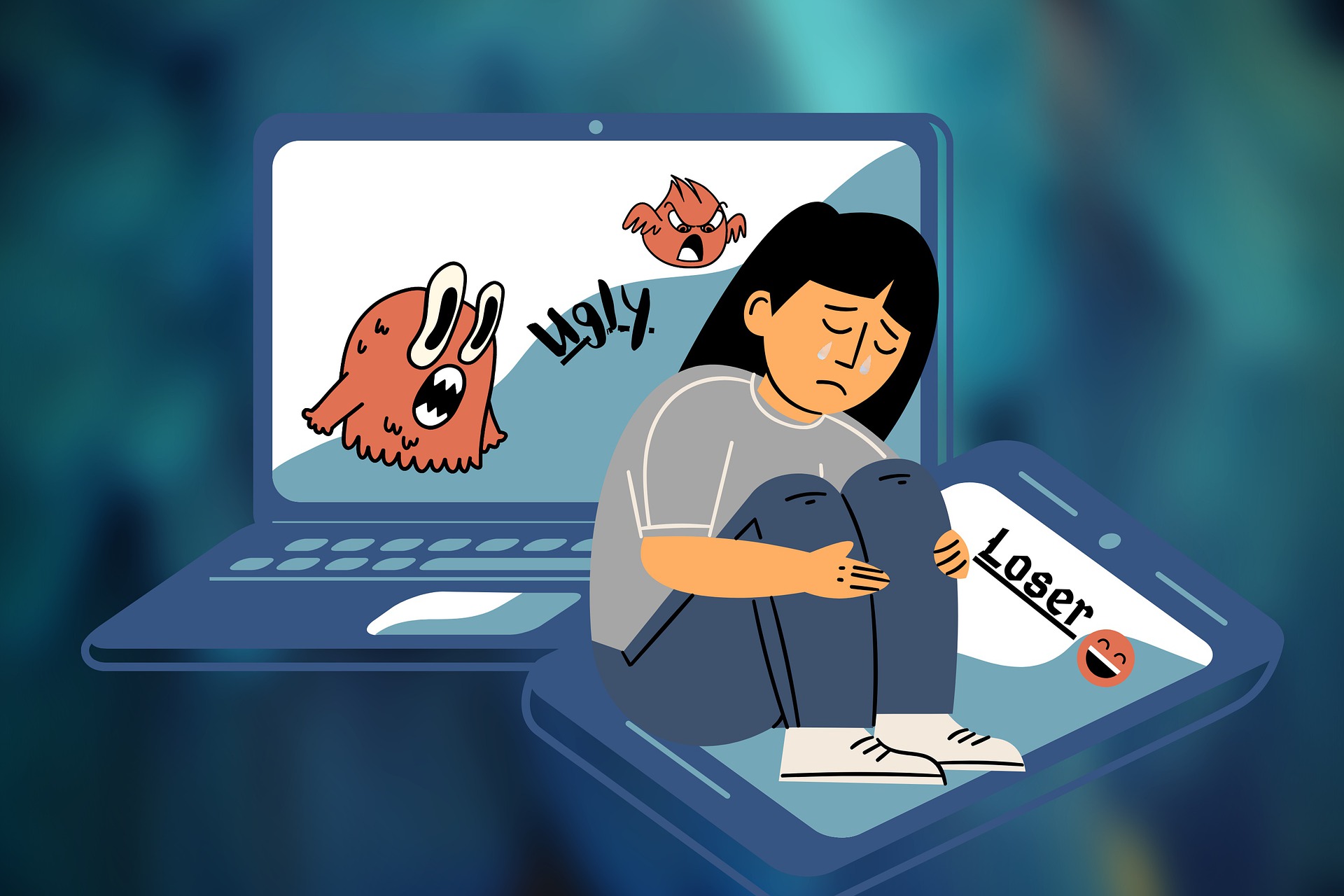
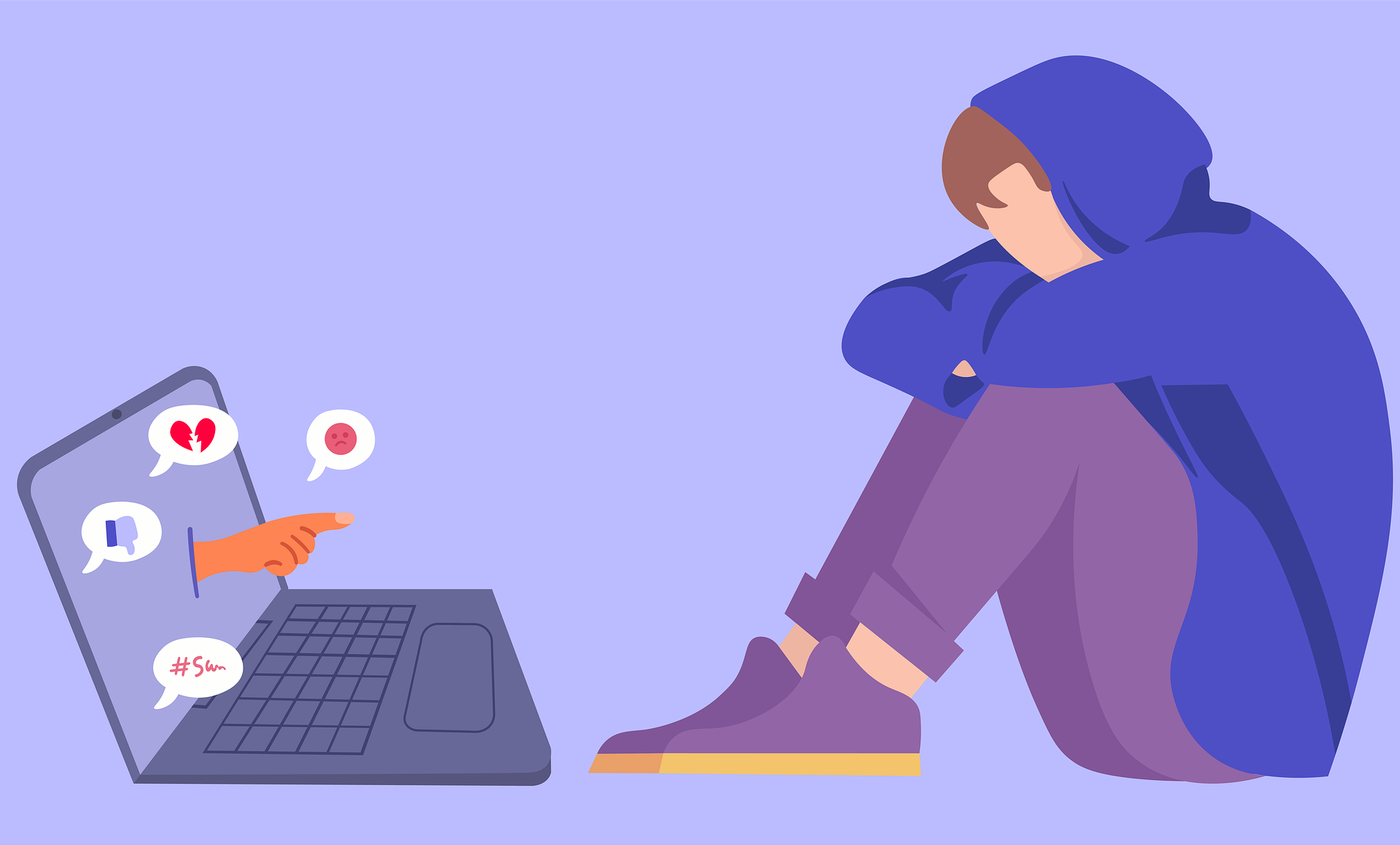
    Cyberbullying is another type of bullying except it is done online. The bully could post online threats or messages as well as the victim’s personal information, pictures, or videos. Although cyberbullying and in-person bullying are similar in many ways, they also have many differences.

    How is Cyberbullying Different from In-Person Bullying?

    • The Bully Can Be Anonymous

    With cyberbullying, you may not know who the person bullying you is. Fake profiles and accounts can easily be made. When bullying is done in person, the victim knows who their bully is.

    • Cyberbullying Can Take Place Anywhere and at Anytime

    Cyberbullying can be done anywhere and at any time as long as there is internet access. It could even take place while you are in the privacy of your own home. In-person bullying is usually done at school and the bully has to be in the same place as the victim at the same time.

    • Cyberbullying Can Go Viral

    Online posts can go viral and be continuously forwarded to potentially thousands of people. These posts are often referred to as ‘memes’. This type of bullying could be more humiliating because the post can be circulated throughout many social media platforms.

    • Cyberbullies Usually Feel Less Guilt

    Since cyberbullying is not done face-to-face, the bully is less likely to feel guilty for their actions. They may not realize their actions are affecting someone else. This could result in the bully being more aggressive.

    What Are the Effects of Cyberbullying?

    Cyberbullying and in-person bullying have similar effects on the victim. They could be physical, mental, or emotional. Those who are being bullied usually experience loneliness, changes in eating and sleeping patterns, and a loss of interest in activities they would have usually enjoyed. They are more likely to avoid going to school or even drop out. With constant bullying, the victim may develop mental health problems such as depression, anxiety, low self-esteem, or post-traumatic stress disorder (PTSD).

    In some cases, cyberbullying may be more intense than in-person bullying. This is because cyberbullying can be done anonymously, at any time, and could be seen by thousands of people if it goes viral. This makes the victim feel like they have no escape and seem as if they aren’t safe in their own home.

    How Can You Help Someone Who Is Being Cyberbullied?

    • Tell Someone

    If someone is being cyberbullied, a trusted adult should be told. Bullying can get worse so it is best to tell someone about it as soon as possible. This will allow them to be able to help you before the bullying escalates.

    • Save the Evidence

    Since cyberbullying is done online, you can capture and save the evidence. You could use the proof to report the bullying to someone you trust. If needed, it could also be used to take legal action.

    • Don’t Respond to the Bully

    Responding to the bully may not be a good idea. It could make the situation worse. Ignoring the bully is a good way to take away their power. Report them to the social media site, block them, and try to find something to distract you. Read a book, watch a movie, or spend time with friends and family.

    Remember that it is not the victim’s fault. The bully might make it seem like it is, but it is not. If someone tells you they are being bullied, believe them and try your best to help them out.


    Resources

    Ben-Joseph, Elana Pearl. “Cyberbullying.” KidsHealth. https://kidshealth.org/en/teens/cyberbullying.html

    ConnectSafely. “Tips to Help Stop Cyberbullying.” https://www.connectsafely.org/tips-to-help-stop-cyberbullying/

    Online Sense. “5 Differences Between Cyber Bullying and Traditional Bullying.” https://onlinesense.org/5-differences-cyber-bullying-traditional-bullying/

    Robinson, Lawrence, and Jeanne Segal. “Bullying and Cyberbullying.” HelpGuide. https://www.helpguide.org/articles/abuse/bullying-and-cyberbullying.htm

    UNICEF. “Cyberbullying: What is it and how to stop it.” https://www.unicef.org/end-violence/how-to-stop-cyberbullying

  • Representation in Video Game Media

    Representation in Video Game Media

    By Mara Hurst

    Representation in the world of video games is a small piece of a widely discussed and controversial subject: how people of different backgrounds, identities, and abilities are represented in the media as a whole. Specifically, this article will be discussing representation of disabilities. To begin, it is important to note how popular video games are among youth. Many of us play video games and look for characters we can feel connected to. This is especially the case with modern games in which graphics and storytelling are now far more advanced than they were years ago.

    Disabilities come in many shapes and forms. A character could have a physical or mental disability. A study conducted by Currys PC World found that although representation of disabilities has gotten better over the years, it is still extremely lacking. When there are disabled characters featured in a game, they are more likely to be physical rather than mental disabilities. Although some games have started to approach the issue of mental health, they tend to stay away from more complex conditions such as anxiety and depression.

    It is unfortunately easy to see there are almost no disabled characters in video games. Even when characters do have a physical disability, it is often poorly represented. Many games perpetuate the false and dangerous notion that disabled people need to be “fixed,” with their condition being changed into a superpower. For example, there are numerous games with characters who have prosthetic limbs. However, they face no difficulty in the storyline specifically regarding their disability, and the prosthetic is often unrealistically modified and used as a powerful weapon. If we are fortunate enough to have a disabled character in a game that is more properly represented, they are often side characters and play a minor role.

    Both of these issues result in lack of representation and inaccurate portrayals. Most video games are heavily action-based, leaving little leeway for physically disabled characters. Game creators are often hesitant to create mentally disabled characters because they do not have enough knowledge on the subject. By continuing to stick to what they know and what they think players want to see, they are continuing the unfortunate trend of lack of representation even as we see this issue change in the worlds of television and movies.

    We all ask for a character that represents yourself. How inclined are you to watch a show or play a game if you can’t relate to any of the characters? This may be in part why there is a rise of ‘create your own story’ games, in which we get to morph a character to fully represent ourselves. This is a freedom that was not as widely available in older games and could help lead to greater changes going forward. People with disabilities deserve to be represented — not only in video games, but in every other part of the media.


    Sources

    Moth, Jason. “10 Characters with Prosthetic Arms that Kicked Ass.” Twinfinite. https://twinfinite.net/gallery/video-games-characters-prosthetic-arms/4/

    Sarsby, Sarah. “Study reveals that disabled characters are rarely represented in video games and that prejudices still exist.” AT Today. http://attoday.co.uk/study-reveals-that-disabled-characters-are-rarely-represented-in-video-games-and-that-prejudices-still-exist/

  • A New Year. A Fresh Start. Let’s Do This!

    A New Year. A Fresh Start. Let’s Do This!

    How weird is it that it’s now 2022? Imagine if someone had told you what the past two years would bring back in 2019. Rising case counts, new restrictions, and a return to online schooling for many are just the latest in an unpredictable pandemic. But it’s still the New Year. That means just as we always have in years past, we’re talking about resolutions, new hopes, and encouragement for a fresh start.

    This month, JPD has tips on how to set goals, both short and long-term. For high school students looking ahead, that can mean selecting a post-secondary school, a daunting task with or without a pandemic. For soon-to-be graduates and job hunters, that can mean preparing your cover letter to get the job you want.

    January can be a tough month as we head back to school or work and say goodbye to the holiday season. In this issue, we take a look at why January has been said to have the saddest day of the year, and offer a career profile on mental health counsellors who work to help those that are struggling.

    We can simultaneously take precautions against COVID-19 while looking ahead to what the year has to offer. After nearly two years, we’ve gotten pretty good at balancing the pandemic with our plans. JPD continues to be your online resource as you tackle remote schooling, working from home, and your goals for 2022 and beyond. Let’s do this!

  • Small Steps to Make Your Home or Dorm More Environmentally Friendly

    Small Steps to Make Your Home or Dorm More Environmentally Friendly

    Dealing with environmental issues can be difficult, especially when progress seems very slow. Many people would like to do something large and spectacular, but those kinds of actions can be too challenging for individuals to accomplish. If you want to make a difference for the environment, you can start with small steps to make your home or dorm room more environmentally friendly.

    You might not have thought of it, but your home likely has many features that could help preserve the environment. The first one is under your feet. Carpets and rugs can help keep a floor warm. If possible, you should remove any rugs on the floor in the summer so that the bare floor can help to keep the room cooler. Add rugs to the floor in the winter to help insulate the room from the cold. Even if the carpets are not removable, you can possibly choose a different style of floor covering when the carpet wears out.

    A second idea is to unplug your computer, television, and other devices whenever you are not using them. Electronic devices can waste large amounts of power, even when they are not in use. Turning them off and unplugging them whenever possible can help save energy and preserve the environment.

    Furniture can also make a difference. Buying used furniture can help to reduce the number of trees that get cut down and factories that are built. Habitat for Humanity ReStores are good places to look, and thrift stores can also have furniture at times. Getting used furniture from friends and family is another good way of making your home or dorm room more environmentally friendly.

    Cleaning your place is important, but it can also use a lot of resources. Use rags instead of paper towels for cleaning to reduce waste, since rags are reusable. Combining the rags with an environmentally-friendly cleaning solution can also help. While cleaning, as in the rest of life, preserving water is important. Droughts that occurred in Canada during the summer of 2021 and the previous water crisis in Cape Town, South Africa, show how important it is to preserve the world’s water supply.

    Repair dripping taps as quickly as possible. Plumbing can be difficult, and many people may be unable to fix a dripping tap. However, calling an expert to do the repairs is always a good option. If the plumber cannot come for several days, you can put a pail or other container under the dripping tap to catch the water instead of allowing it to go down the drain. Then you can use the water for washing or even making tea.

    Food is another area that can have a large effect on the environment. Growing and producing food uses large amounts of energy, from running tractors and other farm machinery to transporting the food to stores. Buy as much local food as possible to help reduce the environmental costs of transporting goods from one part of the country or one area of the world to another. Also, buy only what is necessary and reduce food waste to help keep your home more environmentally friendly.

    Use energy-efficient lightbulbs to help save power and money. LED lightbulbs use far less energy than traditional ones.  Even though they cost more to buy initially, they last years longer and cost less overall.

    Each house, apartment, or dorm room is slightly different, and you might find other ways of making your home energy efficient.  However, these ideas can help you get started.


    Bibliography:

    Biofriendly Planet. “12 Small Changes to Make Your Home More Eco-Friendly.” https://biofriendlyplanet.com/eco-friendly-tips/12-small-changes-to-make-your-home-more-eco-friendly/.

    College Basics. “How to Make Your Dorm Room More Eco-Friendly.” https://www.collegebasics.com/blog/make-dorm-room-eco-friendly/.

    Just Energy. “Going Green 101: Living the Eco-Friendly Dorm Life.” https://justenergy.com/blog/going-green-101-living-the-eco-friendly-dorm-life/.

    Sims, Amanda. “29 Tiny Changes That Will Make Your Home More Eco-Friendly Today.” https://www.architecturaldigest.com/story/energy-saving-tips-to-make-your-home-more-eco-friendly.