Author: Anthony Teles

  • December 2021 Scholarships: Apply now!

    Novus Biologicals Scholarship Program

    Scholarship Value: $1,500

    Awards Available: 2

    Award Deadline: December 8, 2021

    Address: https://www.novusbio.com/scholarship-program.html


    Burger King Scholars Program

    Scholarship Value: $50,000

    Awards Available: 10

    Award Deadline: December 15, 2021

    Address: https://www.burgerkingfoundation.org/programs/burger-king-sm-scholars


    George and Marsha Ivany President’s First and Best Scholarships

    Scholarship Value: $40,000

    Awards Available: 5

    Award Deadline: December 15, 2021

    Address: https://admissions.usask.ca/money/search-awards.php?award=300098ES02


    Rubincam Youth Award

    Scholarship Value: $500

    Awards Available: 2

    Award Deadline: December 15, 2021

    Address: https://www.ngsgenealogy.org/competitions/rubincam-youth-award/


    Odenza Marketing Group Volunteer Award

    Scholarship Value: $500

    Awards Available: 1

    Award Deadline: December 30, 2021

    Address: https://odenzamarketinggroupvolunteeraward.com/


    DECA Student Scholarships

    Scholarship Value: $3,000

    Awards Available: 80

    Award Deadline: January 14, 2022

    Address: https://www.deca.org/high-school-programs/scholarships/


    Alberta Blue Cross’s Indigenous Scholarship Program

    Scholarship Value: $1,500

    Awards Available: 6

    Award Deadline: January 15, 2021

    Address: https://www.community.ab.bluecross.ca/programs/indigenous-scholarships.php


    Canadian College and University Fairs (CCUF) International Education Fair 

    Scholarship Value: $1,500

    Awards Available: 1

    Award Deadline: January 19, 2022

    Address: https://ccuf.ca/ccuf-international-education-fair


    Indspire Building Brighter Futures Scholarship

    Scholarship Value: $10,000

    Awards Available: 1,000

    Award Deadline: February 1, 2022

    Address: https://indspire.ca/programs/students/bursaries-scholarships/


    National Indigenous Scholarship Program

    Scholarship Value: $50,000

    Awards Available: 3

    Award Deadline: February 14, 2021

    Address: https://www.registrar.uwo.ca/student_finances/scholarships_awards/admission/national_scholarship_is.html


    John Proctor Scholarship

    Scholarship Value: $8,000

    Awards Available: 1

    Award Deadline: February 15, 2022

    Address: https://sfs.yorku.ca/scholarships/award-search?awardID=0268
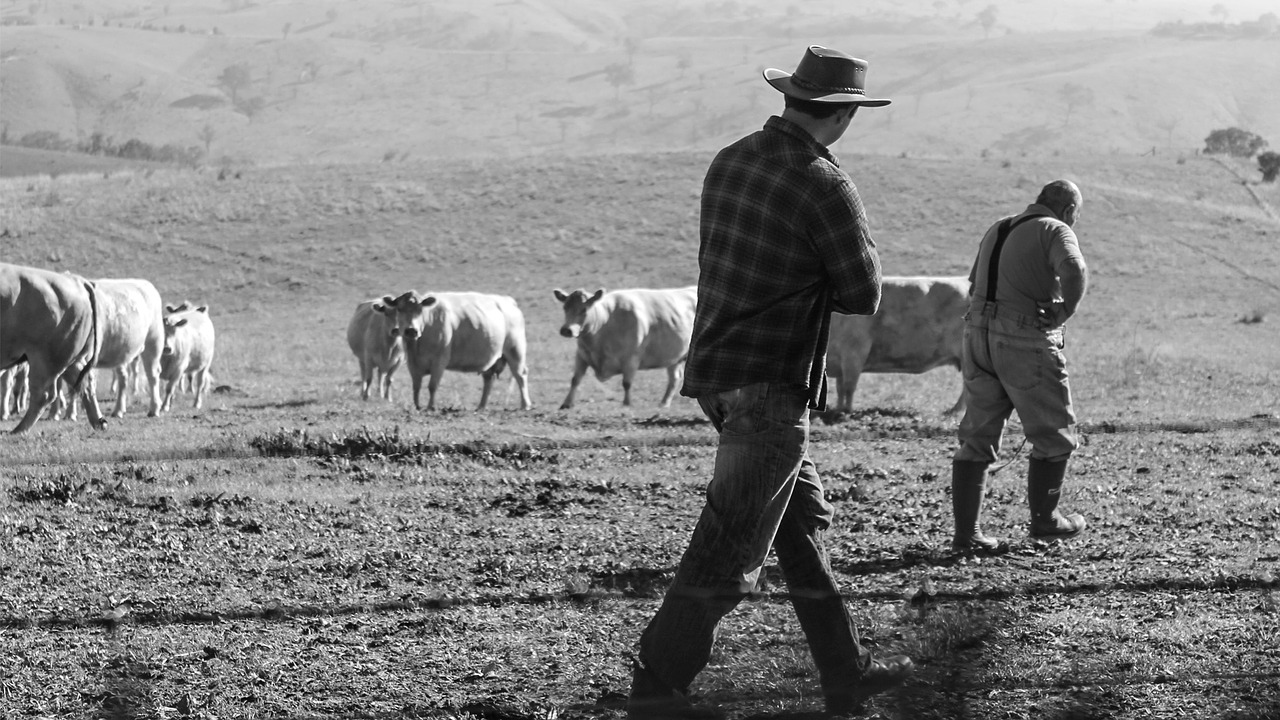
  • Career Profile: Agricultural Dairy Herdsperson

    Career Profile: Agricultural Dairy Herdsperson

    For many people, drinking a glass of milk is as simple as going to the refrigerator and pouring the liquid into a glass. However, many steps go into getting milk from cows and into stores, where people can buy it. The work of an agricultural dairy herdsperson is an essential part of this process.

    For city people, it might seem easy to look after a herd of dairy cattle. However, a great deal of knowledge goes into the job. Often, completing an apprenticeship is the first step for people who want to work in this trade. This apprenticeship is 480 hours long, with 381 hours of theory and 99 hours of practical work. During this time, students learn to recognize potential problems that the cattle might experience, find out about the food the animals eat, and anything else they should know.

    Working as a dairy herdsperson is about much more than moving animals from one place to another. People in this trade should know how to maintain automated machinery, such as the milking machines. Caring for breeding cattle and ensuring that the calves are born safely is an important part of the job. This might involve giving the animals shots to help prevent diseases.

    Cleaning the barn and working areas can help keep the animals and people healthy. Taking care of their comfort with straw in the stalls can help keep the animals happy. In some cases, dairy herdspeople might need to supervise other workers.

    Paperwork and education are also part of this job. Keeping track of each cow’s health and particular needs is important so that the farmer knows what kinds of veterinary care the animals require. People in this trade should also be sure to watch each animal for any changes in behaviour or health. Taking courses or attending workshops can also help give herdspeople the chance to learn new techniques and to develop necessary skills.

    Dairy herding jobs generally start at salaries of just under $30,000 per year. With experience, people can earn almost $40,000 per year, although it depends on the size of the farm and other factors. Individuals may start as an employee or contractor, and work their way up to manager or even owner of a farm. Work can be available in any rural area, but people are more likely to find jobs on large farms. The best areas to find work are Quebec and Ontario, but other provinces also have opportunities for people in this trade.

    Like many trade jobs, working as a dairy herdsperson can be strenuous. Milking cattle usually happens early in the morning, and so people in this trade should be prepared to get up before dawn and get to bed early. Much of the work is in cold barns or outdoors, where the weather can be cold or stormy. The cattle can also be stubborn or otherwise difficult, and some of the animals’ health problems could be hard to solve.

    Having a certain amount of physical strength and endurance is important in this job to be able to deal with some of the challenges. However, herdspeople also need to be able to cooperate with other workers and to be able to understand and follow directions.

    Working with animals like dairy cattle could be an ideal trade for people who like to deal with animals and to work outdoors. It might be the best choice for you.


    Bibliography:

    Agrirecruiting. “Dairy Herdsperson.” https://agrirecruiting.com/help/dairy-herdsperson-3/.

    Career Explorer. “What Does a Dairy Herdsperson Do?” https://www.careerexplorer.com/careers/dairy-herdsperson/.

    Horner, Joe and Ryan Milhollin. “Dairy Grazing: Dairy Career Paths.” University of Missouri. https://extension.missouri.edu/publications/m193.

    Ontario College of Trades. “Agricultural—Dairy Herdsperson.” https://www.collegeoftrades.ca/wp-content/uploads/CTS-DAIRY_HERDSPERSON_640D_EN.pdf.

    Talent.com. “Dairy Herdsperson Average Salary in Canada 2021.” https://ca.talent.com/salary?job=dairy+herdsperson.

    Wikipedia.org. “Dairy Farming in Canada.” https://en.wikipedia.org/wiki/Dairy_farming_in_Canada.

  • Do’s and Don’ts for When You Wake Up in the Middle of the Night and Can’t Fall Back Asleep

    Do’s and Don’ts for When You Wake Up in the Middle of the Night and Can’t Fall Back Asleep

    You have most likely woken up in the middle of the night and had trouble going back to sleep, haven’t you? Whether it was caused by a nightmare or just randomly waking up, it can be frustrating not being able to fall back asleep. The following are a few things to do and things to not do to help you fall asleep the next time you wake up in the middle of the night.

    What to Do

    • Keep Lights Dim or Off

    When trying to go to sleep, make sure it is dark. If your lights are on, they will make you feel alert. Try to keep your surroundings dark. Also, if you get up in the middle of the night, keep your lights dim, if possible. You may also want to have blackout curtains in case you have trouble going back to sleep once the sun has begun rising.

    • Keep a Journal Nearby

    Sometimes it may be hard to sleep through the night because you might be stressed, worried, or even excited about something. To help clear your mind, it might help if you write down your thoughts and feelings in a journal. Make sure to keep your lights dim or use a flashlight to avoid disrupting your body clock.

    • Meditate

    Meditating is a good way to help you relax and fall back asleep. You could simply meditate while lying in bed on your back and with your head on your pillow. Just take deep breaths and try to relax your body and mind. Meditating can help you relieve tension and stress allowing you to fall back asleep much easier.

    What NOT to Do

    • Stare at the Clock

    When you can’t sleep, you may often feel tempted to keep checking the clock. Try to stop checking the time so much. Continuously checking the clock can make you feel anxious about not sleeping, which can keep you awake for much longer. It may help if you turn your clock around or keep any technology (such as a phone) away from you.

    • Check Your Phone

    Technology emits blue light which can keep you awake. It can disrupt your body’s melatonin production. Melatonin is a hormone made by your brain that can help you fall asleep. If for any reason you have to check your phone, make sure to keep the device on night mode, if possible.

    • Drink Caffeine Before Bed

    Drinking beverages with caffeine in the evening or at night can disrupt the amount of sleep you get. You might be able to fall asleep at first but you may then find yourself waking up in the middle of the night. Once you wake up in the middle of the night, it will probably take a while for you to fall back asleep due to the caffeine in your body. It is best to avoid consuming caffeinated drinks approximately six hours before going to sleep.

    If none of these tips work and you often find yourself having trouble going back to sleep, it is best to consult a doctor. They should be able to help you figure out the cause of your restless nights.


    Resources

    Headspace. “How to fall back asleep.” https://www.headspace.com/sleep/fall-back-asleep.

    Hubbard, Ashley. “How to Fall Back Asleep After Waking at Night.” Healthline. https://www.healthline.com/health/how-to-fall-back-asleep.

    Lebowitz, Shana. “7 things not to do before you go to sleep.” Insider. https://www.businessinsider.com/what-not-to-do-before-you-go-to-sleep-2016-3#-4.

    WebMD. “7 Ways to Get Back to Sleep.” https://www.webmd.com/sleep-disorders/tips-for-better-sleep.

    Yetman, Daniel. “10 Tips to Fall Back Asleep After Waking Up at Night.” Healthline. https://www.healthline.com/health/how-to-go-back-to-sleep.

  • How to Stay Productive During Online School

    How to Stay Productive During Online School

    By Olivia Condlln-Wilby

    Online schooling can be challenging – especially if you’re beginning with a new stage of your educational career. Many people never anticipated that their college or university experience would involve Zoom meetings and online discussion posts. Some students struggle to stay focused and motivated when classes happen remotely. In particular, asynchronous (i.e., untimed and unscheduled) lessons can be difficult. How do you hold yourself accountable for attending class if there’s no one taking attendance? What motivates you to keep going after a full day on Zoom?

    If you’re struggling to answer these questions, don’t worry. You’re not alone. Fortunately, there are a few strategies you can use to be productive and organized during online school.

    1. Find a Place to Study

    When you’re doing school from home, it can feel like every part of your life – work, school, family, friends – blends together. It can be tough to stay motivated when you’re trying to be productive. At the same time, it can feel like you never have time to relax. It’s as if you’re living in a classroom instead of your home.

    Try to create a separate study space. Ideally, it will be somewhere private and free of distractions. Use that space only for studying and nothing else. Avoid using the couch or a bed, as your brain associates those things with relaxation.

    Creating a distinct area for studying may help you stay more focused during the school day. It will allow you to concentrate on the task at hand, and you’ll be able to step away from school at the end of the day rather than feel like it follows you everywhere.

    1. Create a Routine

    Some people enjoy the flexibility that online learning provides. However, some students struggle to engage with classes when they have so much freedom. If you can listen to a recorded lecture or read through some PowerPoint slides whenever you want, you may find yourself pushing them back over and over again – until the night before the big essay is due or the week of the final exam.

    It might be helpful to design a schedule. Think about your academic style. How long can you sit still at a time? How much reading can you do before you need a break? Sit down with a pen and paper or use your computer to create a daily and weekly routine. Set aside time for completing lesson modules, working on assignments, studying for tests and, importantly, taking breaks.

    If you can stick to a daily routine, it may help you stay organized and stop procrastinating. School may be online, but you should still think of each weekday as a school day. What time would school start if you were doing it in person? What time would it end? Use those times as guidelines for your self-imposed schedule. You may find it gets much easier to stay on top of things and meet your deadlines.

    1. Take Notes

    With online school, students often have the luxury of re-watching lectures whenever they want. This has led some students to stop taking notes. They think, what’s the point? And while that question makes total sense, there are benefits to taking notes the old-fashioned way – with a pen and paper.

    In general, taking notes allows you to identify essential course concepts, simplify complicated ideas and develop study materials as you complete each lesson. Research shows that taking notes with a pen and paper enables students to be more productive and recall information more easily. In addition, you are less likely to get distracted when you are using the pen-and-paper method, whereas a laptop or tablet offers social media and other apps to steal your focus.

    Be Kind to Yourself

    We have all lived through a global pandemic for almost two years now. It would be an understatement to say that it hasn’t been easy. If you are struggling to be as productive and organized as before, don’t be too hard on yourself. Find a space where you can focus, manage your time, and engage as much as possible with every course. Most importantly, remember to take breaks and communicate with your instructors if you’re having a problem.


    References  

    Career Technical Institute. (n.d.) 10 Tips for Staying Productive When Studying Online. https://careertechnical.edu/blog/10-tips-for-studying-online/

    Pearson PTE. (n.d.) Being Productive While Online Learning. https://www.pearsonpte.com/articles/being-productive-while-online-learning

  • Career Profile: Baker

    Career Profile: Baker

    For many people, a meal is incomplete without a piece of bread, a muffin, or cookies. Others like to have pastries with tea or coffee when they invite people over to visit. Unless they make these foods at home, they need the services of a baker. People in this trade work with ingredients like flour and sugar to bake breads, pies, cookies, and more. This job can be good for creative people who like working with food.

    Many people bake for themselves and their families at home, but others bake for grocery stores, restaurants, hospitals, and small shops. Currently, the job outlook for bakers is average, and people can work almost anywhere. However, cities tend to have the most jobs available. Salaries start at about $27,000 per year or about $16 per hour, and can rise to about $40,000 per year or close to $22 per hour, with experience.

    Most bakers go through an apprenticeship before they begin working. Trade certification is available everywhere in Canada except Manitoba and Saskatchewan, and Red Seal status is available for bakers who successfully complete the examination.

    Working as a professional baker can be a busy but satisfying job. In many cases, the work starts early in the morning so that the breads, cakes, cookies, and pies are ready for when the store opens in the morning. Baking throughout the day is also necessary in most bakeries because the food needs to be fresh.

    The baking process usually involves following a recipe and measuring out the ingredients. Sometimes, bakers invent new recipes or adapt old ones to new situations. For example, a customer might want a gluten-free cake made from special flour or a sugar-free dessert for someone who is diabetic.

    Often, bakers specialize in certain types of baking or a specific item that they like to make. One baker might make mainly cream pies, while another could focus on cookies or decorated cakes. Specializing is easier in large bakeries with enough employees to take care of the other foods, but even in a small bakery, some specialization might be possible.

    Besides doing the actual work, many bakers need to keep track of ingredients and order replacements. If the flour or nutmeg is running out, for example, the baker would need to make a note of it and either shop for the items or instruct someone else to do that. Bakers should be able to manage money and keep within their budgets, and also be able to work with people.

    Being able to stand for long periods of time is an advantage for bakers. Good manual dexterity and steady hands are helpful, especially for tasks like cake decorating. People often like their baking to look good as well as being delicious, and bakers who have an artistic sense to make desserts look beautiful can work in specialty areas like making wedding cakes.

    Bakers often work unseen by their customers. Working with hot ovens for hours at a time can be difficult, especially in summer. Burns and cuts are common, and other injuries are also possible.

    Most bakers usually start out as assistants, but with experience, can eventually become baking supervisors or even start their own business. For people who enjoy making food and working with their hands, being a baker is a good option.


    Bibliography:

    Government of Alberta. “Occupations in Alberta: Baker.” https://alis.alberta.ca/occinfo/occupations-in-alberta/occupation-profiles/baker/.

    Job Bank. “Baker in Canada.” https://www.jobbank.gc.ca/marketreport/summary-occupation/22246/ca.

    Skilled Immigrant Info Centre. “Bakers.” https://pwp.vpl.ca/siic/guides/bakers/.

    Talent.com. “Baker average salary in Canada 2021.” https://ca.talent.com/salary?job=baker.


  • All About Pet Fostering

    All About Pet Fostering

    By Maryam Sheikh

    Are you an animal lover? Have you ever had a pet, or considered adopting one? There are many factors to be considered when looking for a furry friend. If you have ever wanted to learn how to care for a pet before committing to adopting one, you might want to consider pet fostering.

    So, what exactly is pet fostering? When you become a foster parent, you are providing an animal with a temporary home until it gets adopted. An animal in a foster home has the ability to work on its social skills and any behavioural issues. A foster parent takes care of an animal by helping with feeding and grooming, but also by taking it to any vet appointments and ensuring that any health issues and vaccinations are addressed.

    Fostering a pet can help you understand what your strengths are as a caretaker. Furthermore, by introducing an animal into your home, you will find out how a pet can impact your daily life. There are many benefits to fostering; this activity can help animals build social skills, become prepared for adoption, and receive love from a foster parent.

    Many shelters help cover the costs of fostering (e.g. food, cleaning supplies, and any other items). So, if you are unable to adopt a pet due to financial restraints, this can be a great opportunity to build responsibility without being worried about the costs. Additionally, fostering can offer flexibility and is often short-term.

    Shelters are essential to many communities. However, they sometimes lack the space and resources to provide care for all endangered animals. Additionally, animals are unique and have different needs. Fostering provides pets with safe and loving homes, especially if they have been abused or neglected in the past and need personal care and attention. Relieving the burden off shelters can allow them to free up space and bring in animals who otherwise would not have a place to stay.

    Animals who are fostered are less stressed, less likely to get sick, and tend to be more socialized. If you already have a pet at home, you will get the chance to give your animal a new friend. Animals not only provide company to other animals but can be a valuable source of emotional support for people as well. They can provide comfort and help facilitate emotional healing.

    Feeling convinced? It’s simple to get started. Firstly, research some local shelters and get in touch with them to demonstrate interest. Make sure to ask any questions you might have and gather the necessary information before filling out an application. Then, make sure you and your home are prepared for your new friend. Remember that shelter staff are there to support you through this journey.

    As outlined above, pet fostering has a plethora of benefits. Above all, you are saving a life and providing care to an animal that may have previously been in a dangerous situation. If you are interested in supporting an animal and learning more about animal caretaking, fostering is an activity you should consider. Happy fostering!


    Sources:

    Orentas, Geraldine. “Fostering Pets and Why It’s Important.” Lake City Humane Society. https://www.lakecityhumane.org/post/fostering-pets-and-why-it-s-important.

  • What is the UN Climate Change Conference?

    What is the UN Climate Change Conference?

    The summer of 2021 was hard for many parts of Canada, with heatwaves across much of the country and deadly fires in British Columbia. Elsewhere in the world, floods and fires have been increasing. Scientists believe that climate change is the reason for much of this wild weather. In the fall of 2021, many scientists, world leaders, and others met in Glasgow, Scotland, for the UN Climate Change Conference.

    Each year, world leaders, scientists, and other people meet for the United Nations Framework Convention on Climate Change. The 2021 conference was planned for October 31 to November 12 in Glasgow, Scotland. Normally, thousands of people attend these conferences from all over the world. They participate in talks to deal with issues related to the climate or to report on what happens there.

    Officially, the climate change conference is called the Conference of Parties, or COP. The conference in Scotland is the twenty-sixth of these types of gatherings, and so it is called COP-26. Dealing with pollution, especially the effects of fossil fuels like oil and gas, is normally a major part of the conference. Scientists believe that pollution from greenhouse gases coming from these fuels is a major factor in climate change.

    Greenhouse gases like carbon come from burning fossil fuels. Methane is often a product of farm animals. These types of gases prevent the Earth’s heat from escaping into space, warming up the planet. Wild weather, droughts, and floods can be the result.

    Even though some years are normally cooler or warmer than others, scientists have discovered that the world has warmed up overall by about one degree Celsius. After 1.5 degrees, scientists believe the results could be very dangerous for the Earth.

    Finding ways to prevent a climate disaster is part of the COP discussions. Coal is one of the worst polluters. Finding ways to stop using coal is one of the major issues for COP-26. Moving from coal to a less harmful source of power could help reduce the greenhouse gas problem.

    Trees are another issue at the conference. These plants help to clean the air and to hold the soil in place. However, many countries are dealing with deforestation, with trees being cut down for agriculture, roads, or city growth. If leaders can help protect trees in their countries, they can help provide a natural way of dealing with climate change.

    Besides coal and trees, COP-26 is about cars and cash. Reducing the use of private cars and getting more people to walk or take the bus could help reduce pollution and keep global warming down to a level that might help prevent a climate disaster. Money from wealthy countries is necessary to help poorer countries pay for the changes they need to make.

    With help from richer countries, poor countries could afford to switch from using fossil fuels to cleaner sources of energy. They could plant trees and invest in transit systems or bicycle paths. Using the COP-26 conference to set up funding for these countries could help them to set up the systems they need to reduce their pollution.

    The annual COP conference is important for encouraging that world leaders do what they can to reduce climate change and deal with pollution. The next challenge will be to ensure that the people involved in the conference keep their promises.


    Bibliography:

    BBC News. “COP26: Has the Glasgow Climate Summit Been Poorly organised?” https://www.bbc.com/news/uk-scotland-59150987.

    Harrabin, Roger. “COP26 climate change summit: So far, so good-ish.” https://www.bbc.com/news/science-environment-59150807.

    Harvey, Fiona; Ambrose, Jillian; and Greenfield, Patrick. “More than 40 Countries Agree to Phase out Coal-fired Power.”

    https://www.theguardian.com/environment/2021/nov/03/more-than-40-countries-agree-to-phase-out-coal-fired-power.

    NASA. “The Ups and Downs of Global Warming.” https://www.nasa.gov/topics/earth/features/upsDownsGlobalWarming.html

    United Nations. “Glasgow Climate Change Conference–October-November 2021.” https://unfccc.int/conference/glasgow-climate-change-conference-october-november-2021.

    United Nations. “UN Climate Change Conference (COP-26).” https://www.un.org/en/un-climate-change-conference-cop-26.

  • What Are Panic Attacks?

    What Are Panic Attacks?

    Panic attacks are sudden intense feelings of fear, panic, or anxiety. They can last anywhere from 5 to 30 minutes. It is also possible to have another panic attack right after the first one. Common causes are chronic stress, phobias, big life changes, caffeine, alcohol, and drugs. Panic attacks are common, and therefore it is important and helpful to educate yourself on them.

    Symptoms of panic attacks can be physical or emotional. These symptoms may include:

    • Sweating
    • Pounding or racing heart
    • Having trouble breathing
    • Chills or heat flashes
    • Nausea
    • Dizziness
    • Feeling disconnected from reality (i.e. feeling disconnected from your mind, body, or your surroundings)
    • Feeling like you are in danger

    During a panic attack, some people may think they are having a heart attack or a stroke. It is important to know that the symptoms of panic attacks are not life-threatening but can feel very scary and overwhelming to experience.

    How Can You Prevent Panic Attacks?

    Although it is not always possible to prevent panic attacks, the following tips may be able to help:

    • Do daily breathing exercises.
    • Exercise regularly.
    • Avoid caffeine, smoking, and alcohol.
    • Eat regular healthy meals to help stabilize your blood sugar levels.

    How Can You Help Yourself or Others While Experiencing Them?

    Knowing what to do during a panic attack can be very helpful. You can use these techniques to help yourself or someone else experiencing a panic attack.

    • Do breathing exercises. Start off by slowly and deeply breathing in through your nose and out through your mouth. Close your eyes and focus only on your breathing. You may want to count to five with each inhale and exhale.
    • Find a distraction. Try counting back from 100. This will help distract you from overthinking your symptoms which can worsen and lengthen your panic attack.
    • Focus on your senses. Focus on each of your senses one at a time. Think about what you are seeing, hearing, feeling, smelling, and tasting. This will help keep you grounded and feel in control.
    • Reassure yourself or others. Remind yourself or the other person that panic attacks can be scary but nothing bad is going to happen. It will all be okay.

    After having a panic attack, it is important to pay attention to your body’s needs. You may feel tired, thirsty, or hungry. It might also be best to talk to someone you trust. If you’re comfortable, you could share what happened with them and talk about it. This could help them look out for you and learn how they might be able to help you in case you ever have another panic attack in the future.

    If you find yourself or someone you know having panic attacks often, or panic attacks that last for long durations, it is best to see a doctor or a psychologist.


    Resources

    Better Health Channel. “Panic attack.” https://www.betterhealth.vic.gov.au/health/conditionsandtreatments/panic-attack.

    Healthline. “12 Ways to Stop a Panic Attack.” https://www.healthline.com/health/how-to-stop-a-panic-attack#what-is-a-panic-attack.

    Mind. “What is a panic attack?” https://www.mind.org.uk/information-support/types-of-mental-health-problems/anxiety-and-panic-attacks/panic-attacks/.

    NHS Inform. “How to deal with panic attacks.” https://www.nhsinform.scot/healthy-living/mental-wellbeing/anxiety-and-panic/how-to-deal-with-panic-attacks.

    Priory. “Causes of Panic Attacks.” https://www.priorygroup.com/mental-health/panic-attack-treatment/causes-of-panic-attacks.

  • Balancing Education and Extracurriculars in a Remote Environment

    Balancing Education and Extracurriculars in a Remote Environment

    By Erin Rebello

    Over the past few months, our world has slowly been changing gears as we pivot from this pandemic and shift to a new normal. Although many things are going back to the way they were pre-pandemic, one thing that’s definitely here to stay is the shift to working and volunteering in a remote environment. Many opportunities typically held in-person with a fixed schedule are restructuring with more flexible hours and options to work online. Not only does this open up jobs and volunteer positions further away from you, but it also allows for you to get involved when you can.

    As a result of this rather sudden switch, more and more students are looking for remote jobs and volunteer opportunities to prepare themselves for post-secondary education. However, when searching for any opportunities, including remote opportunities, it’s crucial to keep in mind that the work is still real work and that you still need to balance it with both your educational and personal time.

    Finding a Job:

    The first step towards working or volunteering online is finding an available opportunity, which might be easier than you expected! The best place to start looking for a job is by asking people you know; this includes parents, friends, teachers, guidance counsellors, and even previous employers/volunteer coordinators. By speaking with people you’re on good terms with, you might just be hot on the trail to finding the perfect job and receiving a stellar recommendation. The pandemic has opened up many jobs in a hurry, and without rapid marketing or recruitment, many jobs are still sitting open because people don’t know they exist!

    If asking around isn’t your style, or if you’re not getting the results you want, you might want to try taking your job search online. Using websites like Indeed or LinkedIn allows you to search for jobs or volunteer opportunities that meet your specific needs. You can even use specific filters and keywords to focus on the types of opportunities you’re particularly interested in.

    Making Sure It’s a Good Fit:

    When job hunting, you not only need to ensure that you meet an employer’s needs, but also that working for the employer meets your needs. When messaging recruiters or speaking with managers during an interview, it’s important to ask questions to see if the job meets the needs of your lifestyle. Some common topics you might want to ask about are:

    • The type of work you’re being hired for
    • The amount of money you are being paid (and how you’ll be paid)
    • The typical hours required (and whether you can commit sufficiently)

    Benefits and Consequences:

    It’s also important to zoom out. Look at the bigger picture from time to time when searching for online work, considering the specific benefits and consequences of getting a job. You should try to make your own pro/con list, but to get started, here are a few common benefits and consequences that modern teens might consider.

    Benefits

    • Receive real-life work or volunteer experience that is helpful when searching for future jobs.
    • Develop skills that make you an asset.
    • Save money or rack up volunteer hours to either help with saving for university or when applying to scholarships.

    Consequences

    • Working, even remotely, can be a huge time drain, taking out large chunks of your weekly routine.
    • Having a job can be extremely tiring, sapping you of energy you might have wanted to use during your free time.
    • It can be hard to balance school and work, and you might end up neglecting either one or both commitments.

    Striking a Balance:

    If you’ve carefully considered your options and are still looking for remote ways to break into the job or volunteer market, the next item on your agenda should be learning how to keep a balance between school and extracurricular involvements. There are many aspects of striking a work-life balance that you should thoroughly consider. Here are a few things to bear in mind when trying to strike a balance:

    • It’s important to keep track of school and work priorities.
    • You will need to prioritize your deadlines in terms of importance.
    • Don’t bite off more than you can chew; just because it’s virtual doesn’t mean it’s not real!
    • Open communication with teachers and employers can be harder via email but is very important to keep communication lines open.
    • Do a bit of research into more efficient study strategies, and try them for yourself.
    • Try to work with both your teachers and employers for potential considerations they can make for your situation. If earning money is crucial to obtaining education, you might be able to speak with your teacher for reasonable extension accommodations, and with your boss for hours that work with your class schedules.

    Overall, a virtual job is a great way to break into the workforce, but you should also remember that it is a real job. Lots of consideration should go into whether or not it would be a good fit for your lifestyle and prior commitments.

  • Examples of Remote Work Opportunities While Doing School Online

    Examples of Remote Work Opportunities While Doing School Online

    Having a bit of extra money is always helpful, whatever your age. If you are still in online school, you might have some extra time to earn some money. Doing some remote work could be a good way of getting both money and experience for future work. Various opportunities are available if you look for them.

    During the lockdowns for the COVID-19 pandemic, you probably became familiar with remote learning. You would watch classes online and do your assignments at home, and your teacher would mark them. Your schooling might run on a specific schedule or be quite flexible, allowing you to fit it in with other activities like eating meals with your family or walking the dog.

    Remote work can be similar in many ways. Tutoring is a good possibility for anyone who likes to help others. If you are good at mathematics, science, or grammar, you might be able to help other students with their studies. You can do this online if both you and your student have good Internet connections. You can even meet with several students at once and have formal classes, or you can work with students individually. Normally, the student and tutor arrange specific times for classes, although some work may be necessary outside those hours.

    Writing is another good way of earning money. You could write for a blog or local newsletter and earn a small amount of money for each article. If you have a special area of knowledge like animals or sports, you could look for magazines or online sites that deal with these topics. Some magazines, including Reader’s Digest, pay quite well for short stories about topics like family, school, and friends.

    Except for established authors, much writing work is freelance. This means that you are unlikely to find a regular weekly or daily writing job with a magazine or website until you have experience, and even then, it can be difficult. However, you can write for many different magazines if you want, and the pay can add up to a large amount.

    Often, publications will give submission guidelines that give the topics and the number of words that they want for each article. Staying close to those guidelines is a good idea, because the editors are unlikely to want to spend a lot of time revising your article. Reading other articles in the same publication can give you a good general idea of what the editors want, including how formal the writing is and how personal the articles are.

    Starting your own blog is an option if you know how to make money from it. In a blog, you could write about a topic you know well and then find ways of earning money through sales or advertising. You could even sell some of your artwork or crafts through your blog or website if you are able to make something that sells well.

    Taking online surveys for pay is also a possibility. Each one pays a small amount for information on topics like shopping habits or pet care, and people can take the surveys whenever they have time. A free half hour every day might be enough to make some money through surveys.

    If you are good with computers, other options might be available. Working with webpage design is good for people who know about HTML coding and other similar skills. In some cases, working with social media for a business or community organization might also be a possibility. You might not be able to answer questions from the public, but you could monitor the pages to be sure that they are working properly and possibly direct the questions to the right people in the company.

    The pandemic has often seemed like lost time, with so many people working or studying from home. However, with a few ideas like these ones, you can make good use of the time and the opportunities that you have.


    Bibliography:

    Doyle, Alison. “The Best Jobs to Work Remotely.” https://www.thebalancecareers.com/top-jobs-to-work-remotely-2064308.

    Omolulu, Enoch. “11 Legit Online Jobs for Students in Canada to Earn Money (2021).” https://www.savvynewcanadians.com/online-jobs-for-students-canada/.

    University of the People. “10 Online Jobs for Students That You Can Turn into a Career or a Business from Home.”  https://www.uopeople.edu/blog/top-10-online-jobs-students-can-turn-career-business-home/.

    The Work at Home Woman. “The Best Work-at-Home Jobs for Teens.” https://www.theworkathomewoman.com/jobs-for-young-teens/.